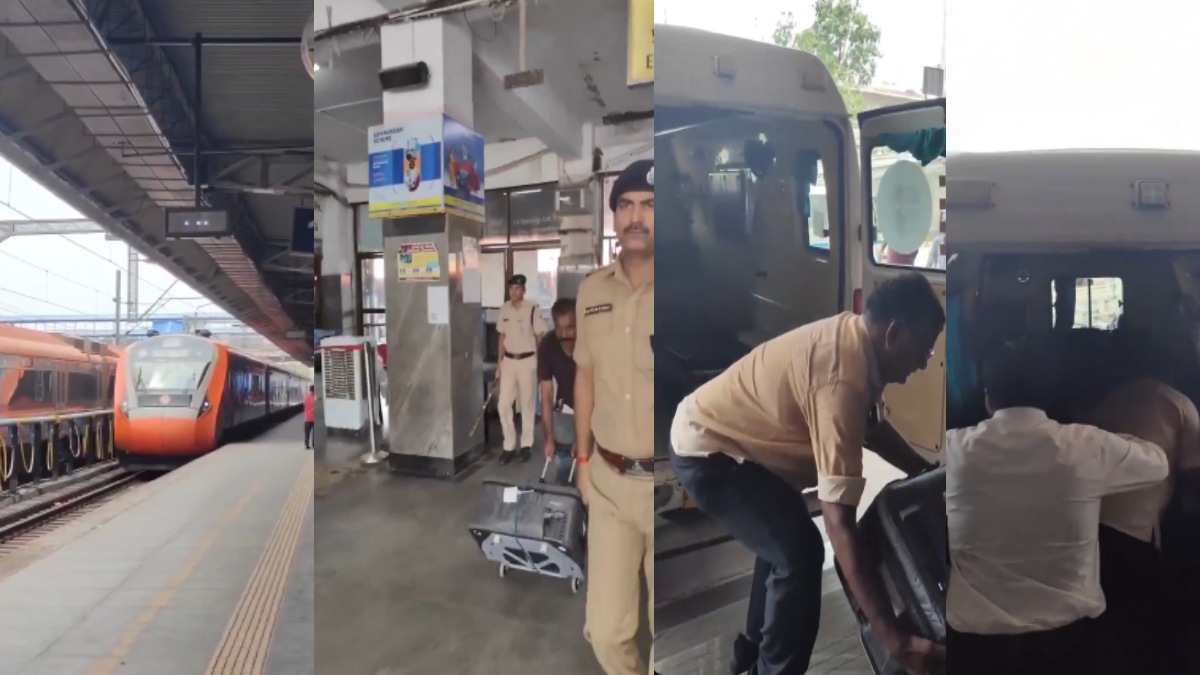
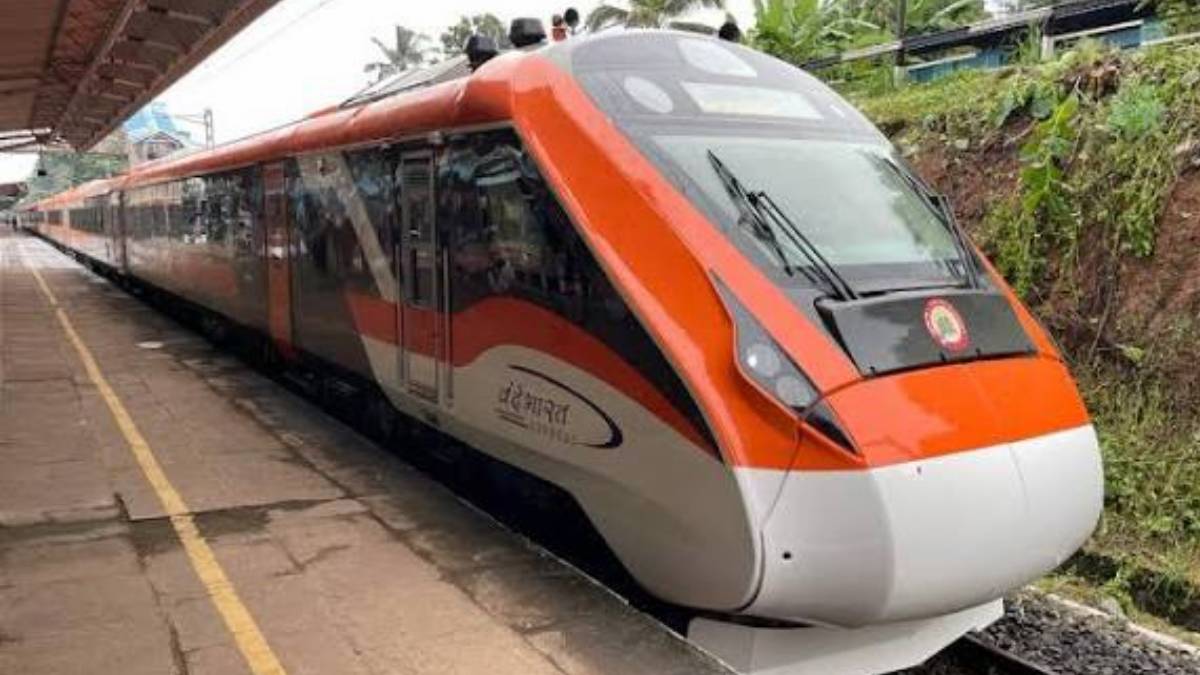
In yet another remarkable example of the way the railway network of India is contributing to life-saving medical emergencies, a Vande Bharat Express transported a donor heart to Ahmedabad, the second time in three days such a mission was carried out.
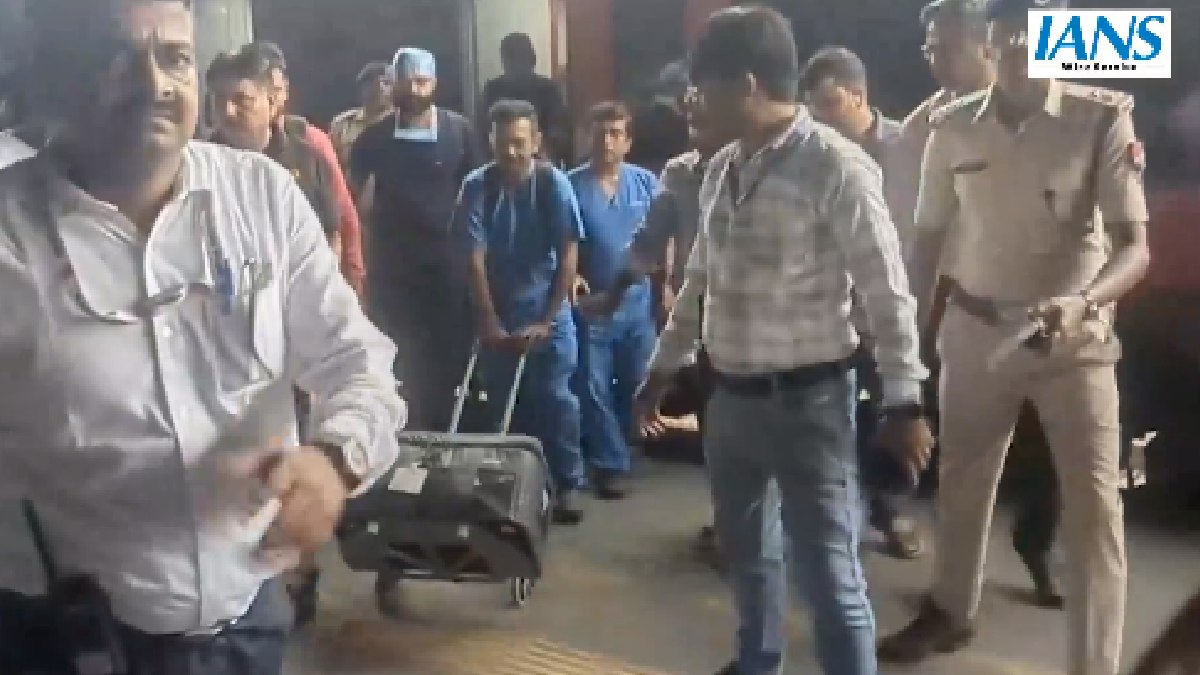
It is a testament to the growing role of high-speed rail services in organ transplant logistics across the country.
The donor heart was retrieved from a hospital after a patient was declared brain dead following family consent to donate it. Medical personnel immediately initiated the complicated process of preserving and transporting the organ to the recipient waiting in Ahmedabad.
Time is the most critical factor in heart transplantation as usually the donor heart is viable only for four to six hours outside the body.
So every minute counts, and fast transport is critical for a successful transplant. The Vande Bharat Express, known to be fast and punctual, proved to be an efficient alternative to transport vital organs again.
A team of medical staff accompanied the donor heart during the journey. Railway officials collaborated with hospital authorities and local government to ensure a smooth journey from the donor hospital to the railway station and then to Ahmedabad.
Ahmedabad, Gujarat: Indian Railways once again plays a life-saving role by transporting a donor heart from Ankleshwar to Ahmedabad aboard the Mumbai Central–Gandhinagar Capital Vande Bharat Express (Train No. 20901)
— IANS (@ians_india) August 2, 2026
(Source: Railway PRO) pic.twitter.com/wo7zxuBSDa
Emergency arrangements were made to minimize delays at every stage of the operation.
This is the second donor heart sent to Ahmedabad via Vande Bharat in three days and reflects the growing trust in India’s modern railway infrastructure for emergency healthcare logistics. The successful missions demonstrate how coordination between healthcare institutions, railway authorities, police, and transplant coordinators can significantly improve survival chances for critically ill patients.
India has witnessed a steady rise in organ donation awareness in recent years, but the demand for organs is still much higher than supply.
Efficient transportation networks are now essential to the transplant system as well, so that organs will reach recipients in the limited time available for transplantation.
"Green corridors" with ambulances and flights have been the preferred means of organ transport in the past. But high-speed trains like Vande Bharat are emerging as a reliable option and the time-limiting and reliable method for moving within cities, especially when rail links offer travel in a faster and more predictable way between cities.
Medical experts now hold out hope that such successful operations will help to encourage rail-based organ transportation in the future. Besides reducing airport travel reliance, trains can be used for timely and cost-effective transport of organs and still provide the required medical conditions to make it feasible.
The latest incident serves as a reminder of the importance of organ donation and the importance of coordinated public infrastructure in saving lives.
These services might play an even larger role than passenger travel in India as they become an integral part of emergency medical response systems as India is rapidly developing its network of Vande Bharat trains.
The successful delivery of another donor heart to Ahmedabad represents hope for patients in need of life-saving transplants and for donor families whose choices are changing lives.