A viral video of a self-styled spiritual figure (known as Chuman Baba) has caused social media to talk about him touching the hands of women, but the followers said he could calm or heal them. The video, which has been shared widely across platforms, has polarized public opinion with some viewing it as an act of faith and others saying such healing claims are not true and that doctors need to do the research themselves.

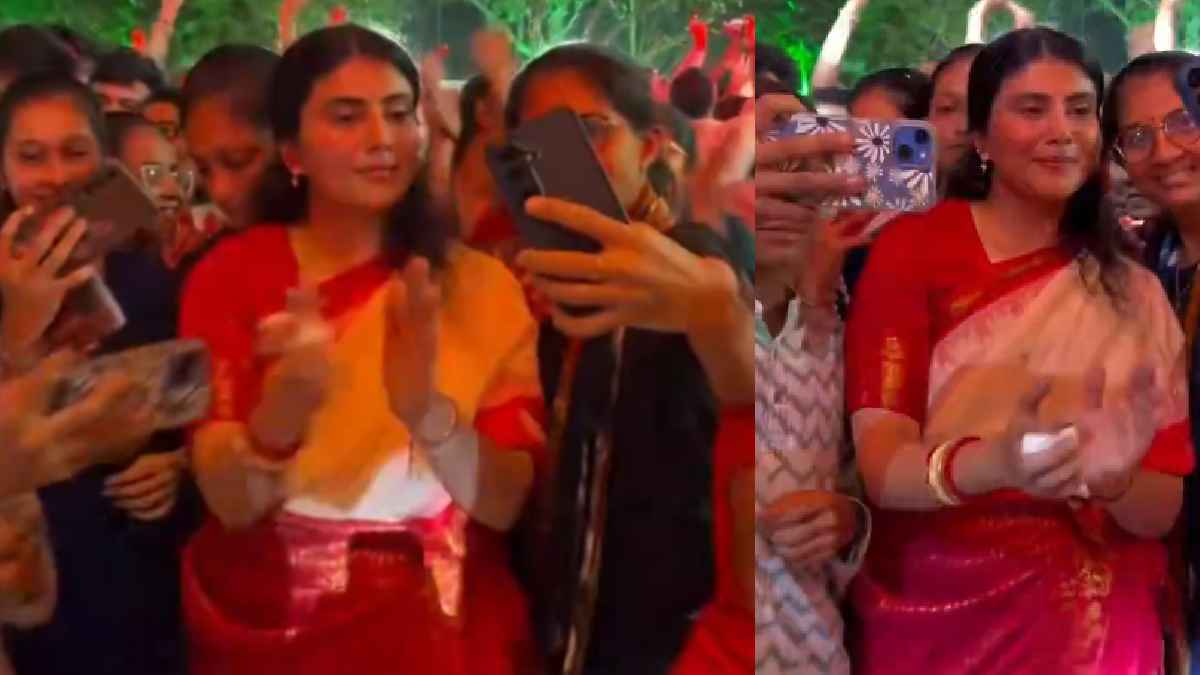
Several women come up to the man one after another in the video circulating, touching or holding their hands, and supporters of the man say that they feel he can help relieve emotional or physical stress, the video suggests. The video quickly picked up on and more than 1 million people have voiced their opinions in hundreds of comments on the video - skepticism, concern and amusement. The healing claims have not been independently verified, but the video has reignited debates of faith-based healthcare.
The incident has become a talking point on social media, where users have sharply differing opinions on the issue. Some pointed out that spiritual belief and religious faith have always had an emotional role to play in our emotional comfort in the face of difficult times. But others emphasized that such practices are not to be considered as substitutes for medical diagnosis or treatment when it comes to serious illnesses or mental health problems.
Medical professionals have long stressed that there is no real scientific evidence for the idea that touching a human hand will cure a disease or a medical condition. Psychological assistance, prayer, meditation, and spiritual support can make sense for people’s mental health in a way but they can’t replace evidence-based diagnosis, prescribed medication, or professional medical care. Individuals are trained to treat people whose health problems have not been resolved but they are not yet settled.
The viral video also highlighted how social media amplifies extraordinary claims. Videos featuring miracles or supernatural healing do make for great attention and arouse curiosity and emotional responses in the public. But experts say viral popularity can be taken as evidence and not proof of effectiveness.
Public health experts say misinformation about health care can prevent people from seeking timely treatment. Delays in medical care, in particular chronic diseases, infectious diseases, and psychological disorders, can all be serious. This is why awareness campaigns encourage people to have doctors in-house, government health services and certified hospitals to diagnose and treat them.
The debate over the “Chuman Baba” video has also raised questions about the wider issue of health literacy. For many health practitioners, it is crucial to explain science and medicine to the public and prevent misleading health claims. Educational efforts, community outreach programs and digital awareness campaigns can help people to distinguish between personal beliefs and medically verified treatments.
Legal experts also warn that while people are free to exercise and practice their faith and religious or spiritual beliefs as much as possible, any claims about medical cures will be subject to government scrutiny if they are misleading or exploit vulnerable people. Consumer protection and public health laws protect people against false or misleading health care claims, especially when financial exploitation or false promises of medical treatment are involved.
Social media users on the viral video emphasized the need to respect individual beliefs but also encourage responsible health care choices. People suggested on social media that people not skip prescribed medicine or medical consultations in favor of unverified remedies. The video is more a reflection of faith, as opposed to science, for others, some users said.
It is a conversation that has only highlighted more than once the need to reconcile traditions of culture and spirituality with modern health care. Faith can be emotional comfort and hope and emotional support for people when they’re suffering. However, health care professionals stress that medical conditions should always be looked at scientifically with clinical evidence.
next baba on the block! pic.twitter.com/DJU2gGA8d3
— JΛYΣƧΉ (@baldwhiner) August 6, 2026
As the video is still circulating online, it is not clear where or when it was recorded, and no official confirmation of the claims made in connection with the footage has been given. Nevertheless, the video has led to a conversation about health consciousness and scientific literacy among consumers and viewers of the content in the context of exceptional claims.
In the end, the viral “Chuman Baba” video is a reminder that social media can quickly spread compelling stories, but health-related claims need to be taken seriously. All doctors and medical professionals must encourage the public to seek professional medical examination for any illness and to view viral content critically and informed.