A viral video of a motorcycle trapped beneath a moving train has prompted memes and humor on social media. Of the many captions that have been posted on social media, one of them says, "Pakistani or Afghanistani for Wrong Parking?!" - and the joke has been widely shared as a meme, but it has also drawn criticism for the unintentional reference to nationalities in a joke that has no links to Pakistan or Afghanistan.
The video itself shows a motorcycle lodged underneath a moving train as it is dragged along the railway tracks. Although the exact location, date, and circumstances of the incident were not independently confirmed, the unusual footage has quickened the growth of views on Instagram, X, and Facebook.
Viral Footage Captures Attention
The short clip begins with the viewers watching in disbelief as the motorcycle gets stuck under the train. Some of the witnesses take pictures on their phones, and others react with surprise. The video went viral almost instantly as soon as it was posted on social media.
Internet users filled the void with humorous captions, jokes, and edited videos. While many memes focused on the absurdity of the incident—such as calling it the "worst parking job ever" or joking that the motorcycle had been “donated to Indian Railways”—some references to nationalities were made without any evidence.
No Evidence of any Connection Between Incident and Nationality
Although captions often mention Pakistan or Afghanistan, there is no verified information that the motorcycle owner, the location of the incident, or those involved have any connection to either country.
Like many viral memes, users often create exaggerated or fictional captions purely for entertainment. But those references can reinforce stereotypes or deceive viewers into thinking there is a factual connection when there is no such connection to it.
Digital media experts frequently recommend that people separate humor from verified information, especially when memes are about specific groups or nationalities.
Social Media and Memes
The incident is again proof that a simple video can become an internet phenomenon very quickly. Creative captions, reaction videos, and humorous edits have helped bring the clip to a wider audience, and many users are already in competition for the funniest one-liner.
Some of the most popular non-targeted captions include:
- "Bro donated his bike to Indian Railways.
- "Wrong parking level: Expert."
- "The bike booked a one-way train ticket."
- "Achievement unlocked: Worst parking ever."
These jokes blamed the front, rather than blaming someone else for the incident itself, rather than assigning blame to a group of people.
Railway Safety Remains the Real Message
The viral clip also serves to underscore the need to follow railway safety laws. Whether it was because someone was parking too far away from a rail station or attempted to cross the train track, trains need a lot of distance to stop, and train tracks are dangerous.
And so authorities always advise drivers and pedestrians to stay off the railway tracks except at designated crossings, and to be aware of the warning signals and barriers.
Pakistani, Afghanistani For Wrong Parking!?!
— Revathi (@revathitweets) July 3, 2026
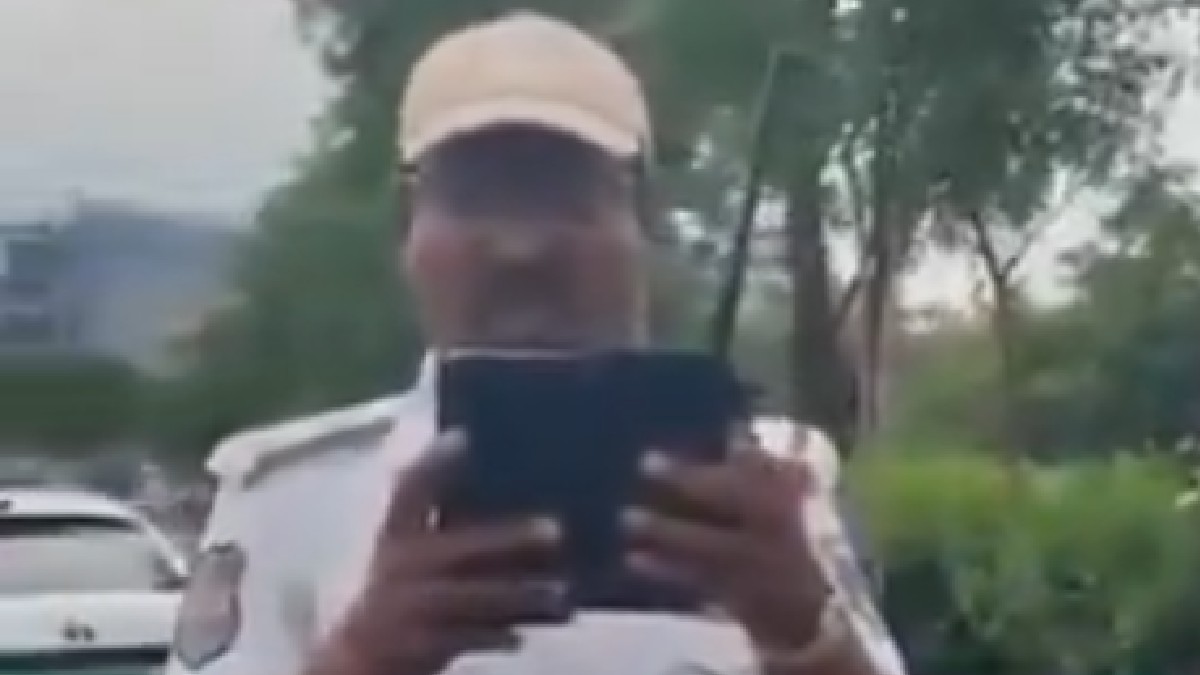
Yet another incident of alleged communal abuse/hatred.
In this now viral video on social media, Mallesham, a traffic constable from Cyberabad has apparently abused a woman and her teenage son about a parking zone problem.… pic.twitter.com/F2nFvdp2MT
Viral but Unverified
As the video continues to circulate online, viewers should always remember that viral captions in viral videos are often fiction and should not be taken as factual accounts of a real event. As long as authorities are not ready to confirm details such as the location and cause, speculation should not be allowed until we can verify the location and cause of the incident; a story is not to be considered factual.
This motorcycle-under-train video will continue to generate laughs and memes, but it also serves as an example that internet humor works best when it doesn’t stray from the situation and just focuses on the incident itself.