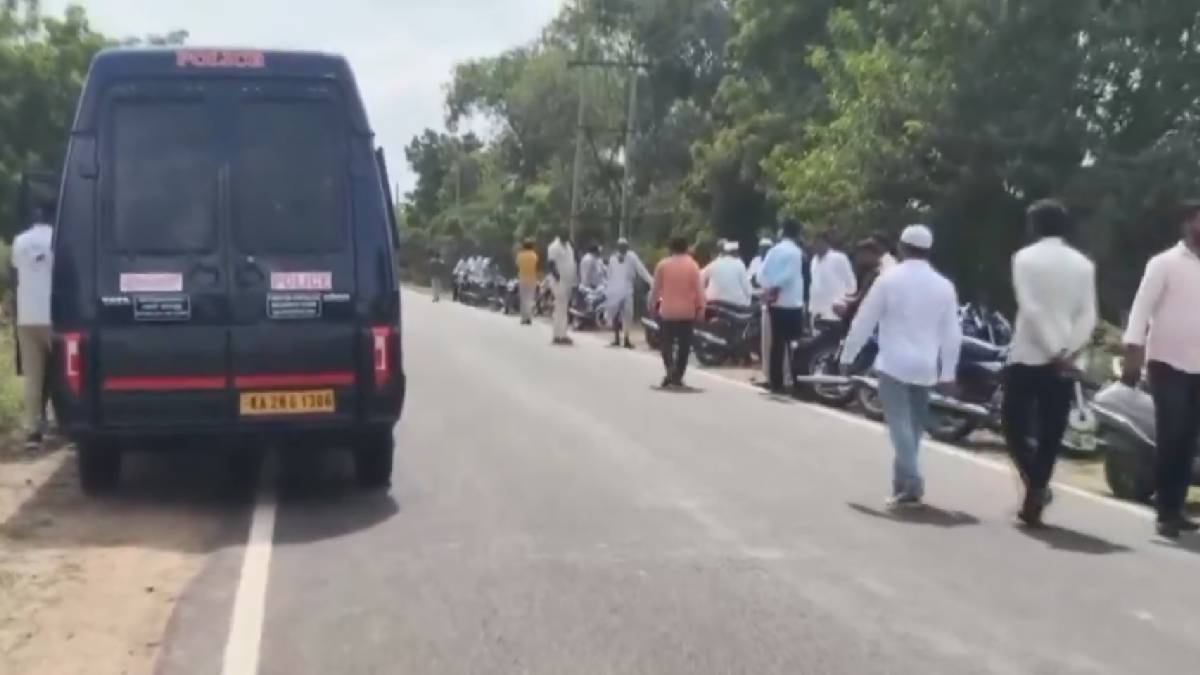
A disturbing murder case in Bhopal has shown the potentially fatal consequences of unverified claims on social media. A teenage street vendor was allegedly killed after a group of young people got convinced by Instagram reels claiming that human testicles could fetch crores of rupees, and some posts reportedly suggested that they could be sold for as much as ₹6 crore, particularly for export to Gulf countries.
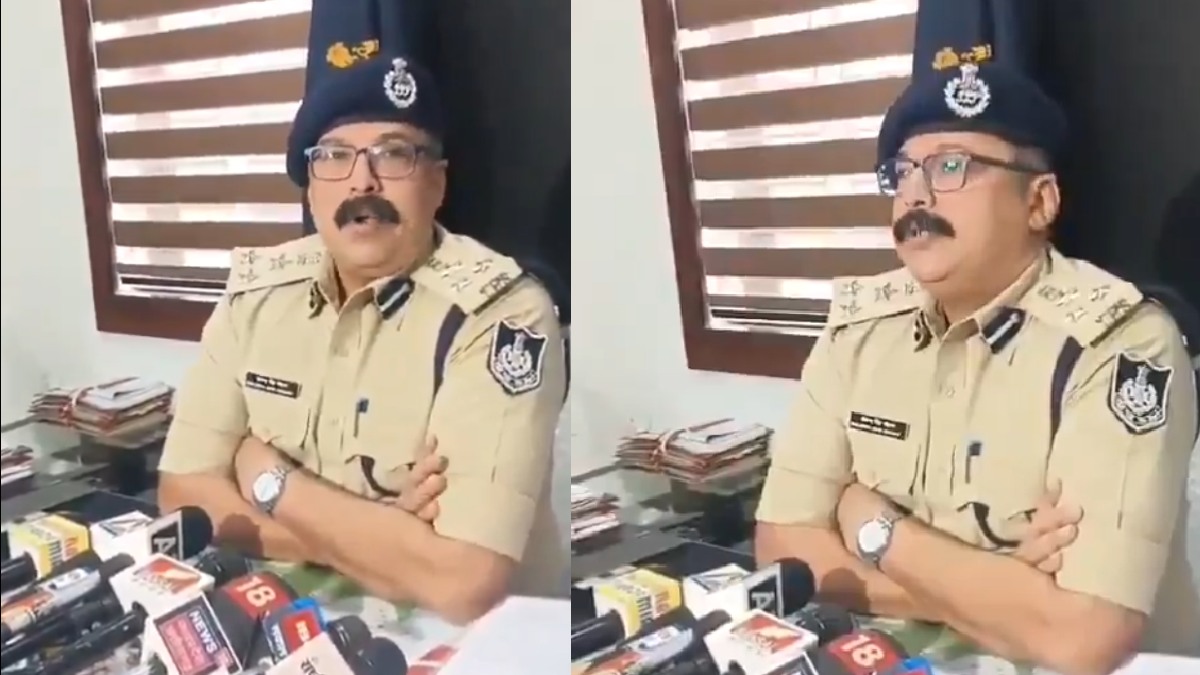
According to the details presented in the case, the teenager went missing on August 6 after he was last seen around Iqbal Maidan in Bhopal. His disappearance led to a search by his family and local authorities. His body was recovered from Chhota Talab five days later, on August 11. But his family identified him with his clothes, slippers and a tattoo.
After the subsequent post-mortem examination, police learned that the victim had been strangled and that his testicles had been removed after his death. The finding added an ugly dimension to the investigation and police were investigating whether the killing was connected to rumours circulating online about the purported financial value of human body parts.
Police investigations reportedly led to the arrest of 20-year-old Zoheb Khan and 18-year-old Aamir Qureshi as well as the detention of three minors. Khan has been described as the alleged leader of the group, investigators said. According to media reports, the accused was influenced by social media messages that human testicles could be sold for massive amounts of money.
The group also tried to appeal to other people and finally targeted the teenager. Earlier attempts did not work but the accused believed the claims they had seen online. After the murder, the supposed lucrative market they were promised did not materialise. The body parts were later discarded because the group could not find a buyer, the investigation revealed.
The case has raised concerns about the impact of viral misinformation, particularly when sensational claims are presented through short-form videos as facts. Social media platforms can be used to spread rumours very quickly; and repeated exposure to similar claims can make false information appear credible to vulnerable viewers.
Authorities have warned people not to believe or act on unverified claims written on social media. The Bhopal case shows how a false promise of easy money can have more than financial harm to a person if he or she has to act on such an idea.
The investigation is ongoing and police will continue to examine the digital material which is believed to have affected the accused and the internet and communication between the group, the paper said. How the rumour spread and whether others were involved will be the primary focus of the investigation.
😳😳😳 pic.twitter.com/YLn0YX38A2 https://t.co/HToW4OqI7s
— Raja Babu (@GaurangBhardwa1) August 18, 2026
The incident also highlights the importance of digital awareness in young social-media users. And claims about extraordinary financial rewards, secret markets or supposed buyers for human organs and body parts should be treated with extreme suspicion and independently verified before being believed or shared.
When these false rumours are combined with greed and criminal intent it can result in a cataclysmic impact on people’s lives. The Bhopal case brings home the reality that online misinformation, as families and communities can all too well understand, is not always harmless.