The Jammu and Kashmir State Investigation Agency (SIA) has reopened the investigation into the 1998 Wandhama massacre in which 23 Kashmiri Pandits were killed as part of a renewed effort to pursue long-standing cases related to targeted violence during the early years of militancy in the Valley.
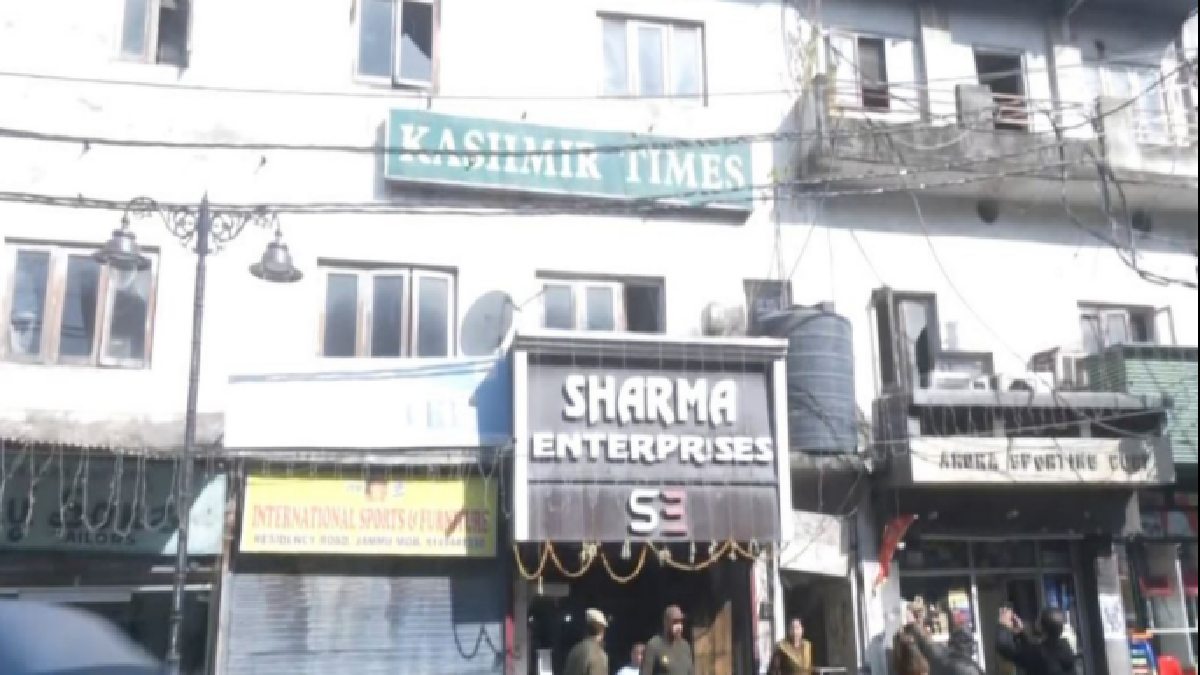
The move comes over three decades after the massacre and comes as the government comes to the forefront of investigations into the killing of prominent Kashmiri Pandit figures Tika Lal Taploo and Justice Neelkanth Ganjoo. The investigations are part of a larger focus by authorities on unsolved cases of terrorism as well as targeted killings that have lived on in Kashmiri Pandit.
The Wandhama massacre took place on the night of January 25, 1998, on the eve of Republic Day and on Shab-e-Qadr in the holy month of Ramzan. Armed terrorists stormed the homes of Kashmiri Pandit families who had remained in Wandhama village in Ganderbal district, which was the night of attack, claimed the account of the incident. The attackers opened fire on 23 people among them, nine women and four children.
The massacre virtually wiped out the remaining non-migrant Kashmiri Pandit population of the village. Only one teenage survivor was reported to have escaped the attack. The incident became one of the most tragic episodes of targeted violence against the community during the militancy.
But while an FIR was registered at Ganderbal Police Station, for years the case has remained unsolved. The SIA has now reopened the investigation and is looking for new leads that can help to find out who was behind the attack.
As part of the new probe, the agency recently conducted searches at several places in Kashmir Valley. The agency is looking for connections between attackers and their alleged facilitators and over-ground workers as well. It also wants to know the individual roles of those who could have assisted the perpetrators before, during or after the massacre.
The renewed investigation into Wandhama is happening alongside probes into two other significant killings of the early phase of terrorism in Kashmir. One is the assassination of Tika Lal Taploo, a prominent lawyer and then vice-president of the BJP in Jammu and Kashmir.
Taploo was shot dead close to his home in Srinagar on September 13, 1989. His killing is one of the first targeted attacks that contributed to growing fear among Kashmiri Pandits and preceded the large-scale exodus of members of the community from the Valley.
Another case under intense investigation is the killing of Justice Neelkanth Ganjoo. The retired judge was assassinated on November 4, 1989 in Srinagar. Justice Ganjoo had sentenced the founder of JKLF Maqbool Bhat to death. He was shot by some suspected terrorists in the district of Hari Singh Street in Srinagar.
The recent investigations come at a time of progress in several other long-delayed Kashmiri Pandit victims cases. In June 2026, the SIA filed a 737-page chargesheet in the 1990 abduction, torture and murder of Kashmiri Pandit nurse Sarla Bhat. JKLF chief Yasin Malik and others were named as accused in the case.
The agency also conducted searches at nine locations across Jammu and Kashmir in August in connection with the 1990 double murder of writer and social worker Sarwanand Koul Premi and his son Virender Koul. The investigators have been analyzing the evidence and trying to find culprits and facilitators in these and other legacy cases.
Investigators were also saying that in several reopened cases there had been progress in identifying alleged perpetrators and those who may have assisted them. But the investigations are still difficult in part because some of the suspects are dead, while others are believed to be fleeing.
The new focus on these cases also reflects the administration’s stated commitment to providing justice to victims of terrorism and their families. Jammu and Kashmir Lieutenant Governor Manoj Sinha has repeatedly said families affected by terrorism should not be left waiting indefinitely for accountability.
The administration has also announced measures to support terror-affected families, such as government jobs for eligible next of kin, registration of FIRs in cases where complaints had not previously been formally recorded and action relating to properties allegedly encroached upon during the period of displacement and militancy.
The Wandhama massacre investigation has been reopened and now it’s not only an investigation of a very recent massacre, but it’s a fresh investigation of a case that’s been open for nearly three decades. For victims and survivors and families of victims the probe could provide a better understanding of what happened and who they believe is responsible.
With Taploo and Ganjoo killing cases and other unresolved cases from the period in mind, investigators are now trying to revisit some of the most significant cases of targeted violence against Kashmiri Pandits. The result of these investigations will depend on the evidence recovered, the credibility of fresh leads and the agency’s ability to establish the roles of individual perpetrators and their alleged networks.