Mandatory singing of Vande Mataram has become a practice for madrasas all over the state, which has enabled a liberalisation of political discourse and a mixed reception between the various segments of society, which the West Bengal government has embraced.
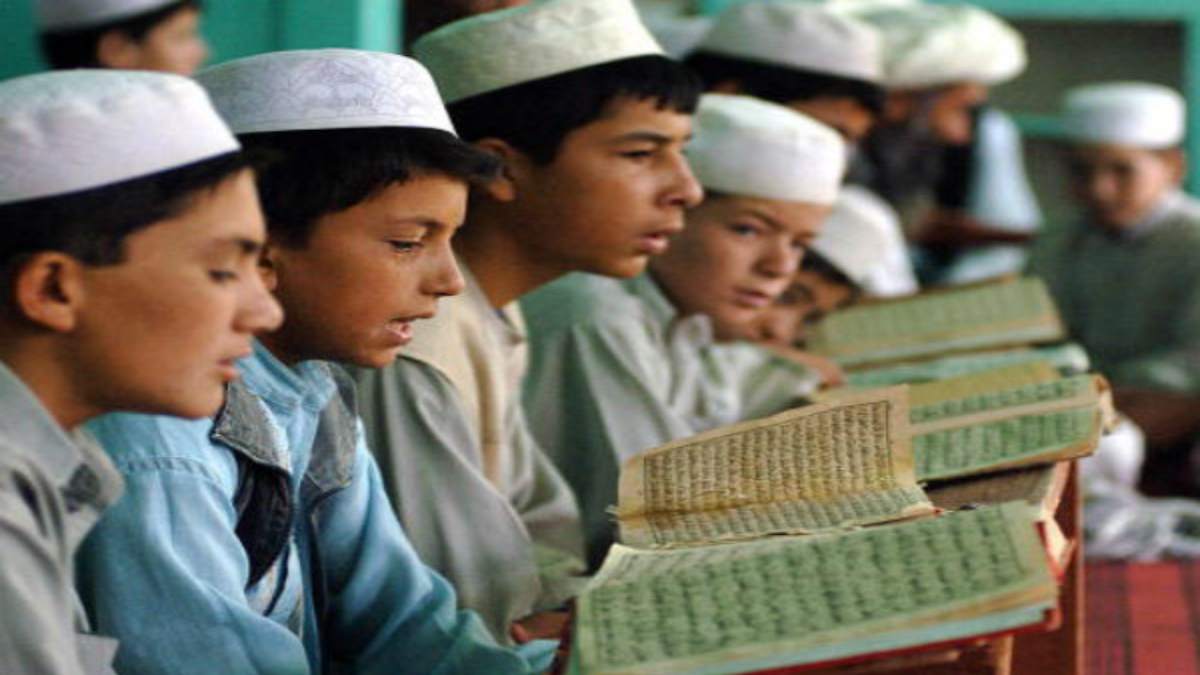
It would most likely contribute to patriotism, constitutional principles and national unity for students in madrasa institutions, the officials added. The order will probably cover both state-run and state-aided madrasas and will be closely monitored through the West Bengal Board of Madrasah Education.
The move received a lot of attention, as madrasas have generally been a political topic in the state. Supporters of the change say Vande Mataram is a national symbol, but the directive points up issues of religious sensitivity and an obligation for its enforcement.
Everyday school would have the national song as its main number, it would be to be sung at every hallside event and all hall meetings and the announcement was done by officials working with the education department. The move would promote respect for the country and revitalise a strong civic sense among students, officials said.
One such song that became a landmark of the Indian freedom movement was Vande Mataram, a song written by Bankim Chandra Chattopadhyay, who has been widely heard at Indian universities since. While reverent, the song at times featured as a key focus in political and religious disputes (in some parts of the country) on whether it should be sung with force.
The political community rapidly reacted to this development. Opposition party leaders welcomed changes of that kind to schools as a step in the right direction for patriotic activity--as did other political opinions, which now called for similar measures to be taken nationwide by schools at any level and regardless of whether they are based in church congregations or not.
But some local representatives and religious groups have been cautious about making the singing mandatory, not voluntary. The advocates who did continue to call for patriotism on an ad hoc basis argued that it could be counterbalanced by its respect for constitutional values and the plurality of beliefs.
Like the question itself, one that lots of education experts have presumed will lead to more discussion and argument, it will remain up for debate in next year’s states, including West Bengal. The state has had to grapple with political sparring on educational priorities, on the welfare of minorities and on cultural issues.
And the order is not divisive, but instead will be “entrenched into national consciousness,” officials have said. These are rules officials probably would write for madrasa administrations on how the order would look when practically integrated within school systems. This situation once again drew attention to the growing significance of madrasa education in India, and also wider discussions about patriotism, educational policy, and cultural identity in the classroom today.