
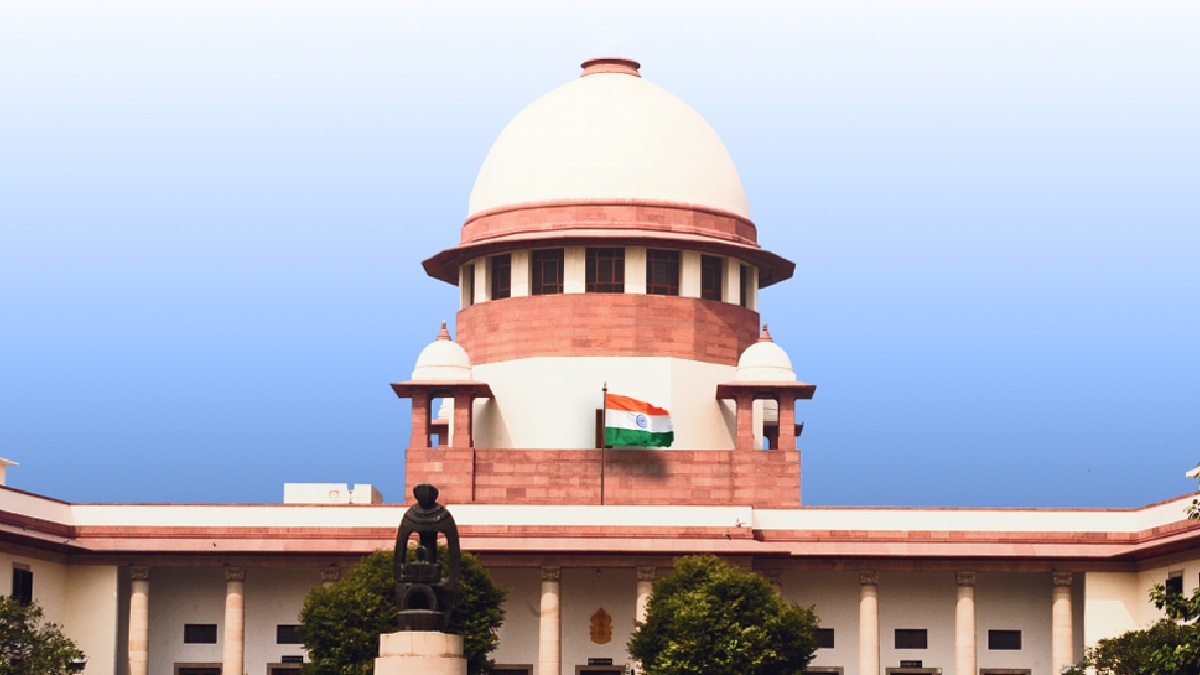
India will witness a moment that could be remembered for years to come. For the first time in history a sitting Chief Minister will personally argue in the Supreme Court. West Bengal's Chief Minister, Mamata Banerjee, has adopted this unprecedented move to take action, citing irregularities and conspiracies raised in the State Inquiry Report (SIR) by the Election Commission of India (ECI). It is a rare but also symbolic act for her to take up the cause of democracy and in support of people's rights.
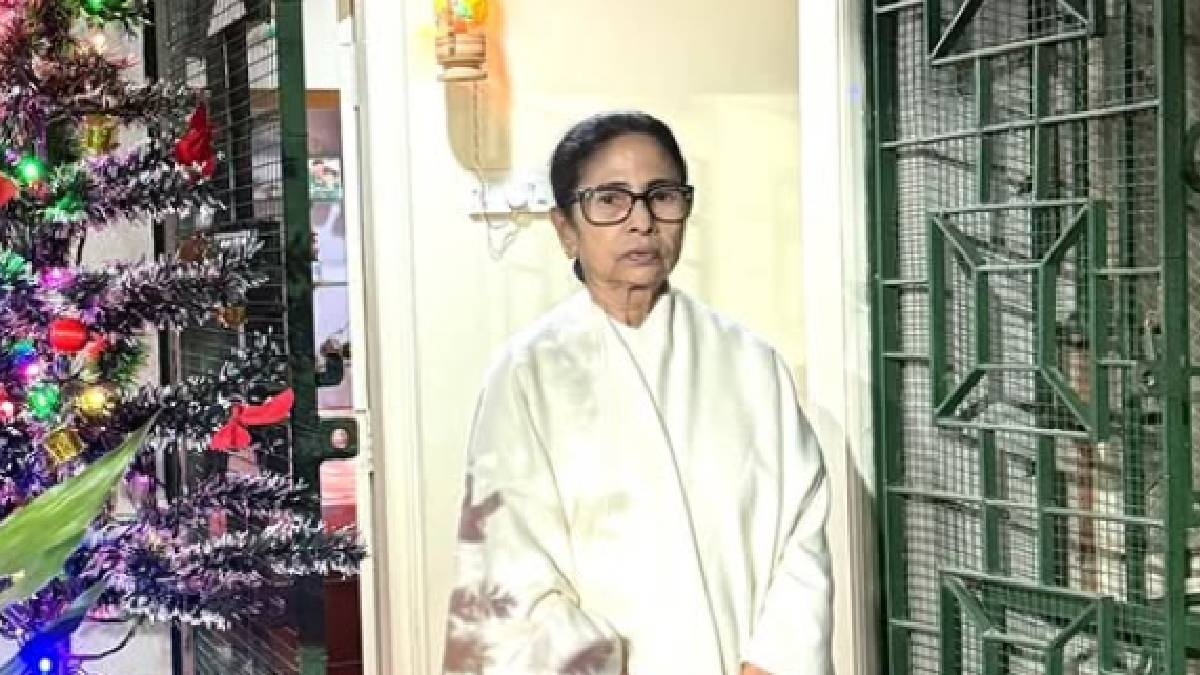
Mamata Banerjee had started the controversy with criticism on how the Election Commission had processed the SIR. The probe, she said, was riddled with irregularities, confusion and actions that ran counter to the democratic process. She wrote six letters to different offices, including the Prime Minister’s Office, and met with the Chief Election Commissioner (CEC) to demonstrate her concern. That notwithstanding, however, she sensed her voice was not being heard. So she went directly to the Supreme Court. This decision is a historic one, because personally argued by a sitting Chief Minister for the highest court of the land has never before been taken.
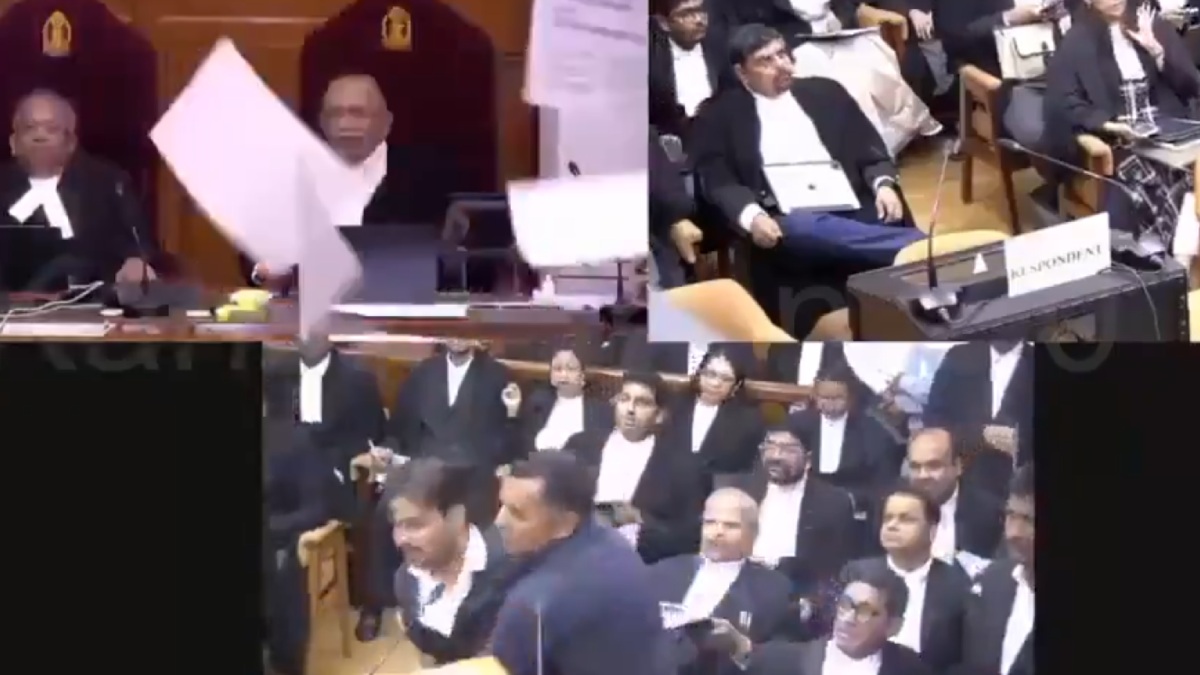
Mamata Banerjee’s ruling not only concerns one matter. It marks a wider battle for democratic values. In being there in court herself, she’s indicating that leaders need to hold themselves accountable and stand up for the people, even in the worst cases. It’s also a move that upends the normal limitations of politics. Commonly, Chief Ministers depend on legal teams and senior advocates to play their role in their courtroom, but by opting to argue herself, Mamata Banerjee is demonstrating her desire to take direct responsibility and have her case heard without intermediaries.

It was news that most Indians were not expecting, and the ruling Bharatiya Janata Party (BJP) has indeed been taken by surprise. The announcement triggered a stir across the political spectrum and among the people. To supporters, it’s an audacious act of courage; to its detractors it’s a case of whether it’s right for a sitting Chief Minister to appear in court. Regardless of your views, the plain fact still is that this is a new chapter in Indian politics. And that the conflict is driven by the tension between state leadership and central institutions, raises a fundamental question about what our role as elected leaders is in protecting democracy.
Mamata Banerjee says she is framing her decision as a battle for democracy and the rights of every Indian. The irregularities, she writes, are not only about West Bengal but also about the democratic institutions in India and how they go about ensuring governance. By refuting what she deems a conspiracy, she is establishing herself as a defender of the Constitution and the people’s voice. Her supporters are in favour of this act because it should motivate citizens throughout India to be more alert and protective of their democratic rights. They view her as fighting not only for her state but for the country, at large.
Itself symbolic, the symbolism of this moment cannot be underestimated. The Chief Minister herself sitting in the Supreme Court to make her argument in her own case is a mingling of political leadership with the legal. Democracy doesn't only mean elections but accountability, transparency and courage. A few examples of this will depend on the outcome. And the outcome will depend on how much the court proceedings unfold and whether it turns out for good. Regardless of the outcome, the act as an act will be known as a turning point in its own right. It might prompt other leaders to assume more direct roles in standing up for democratic values and institutions.
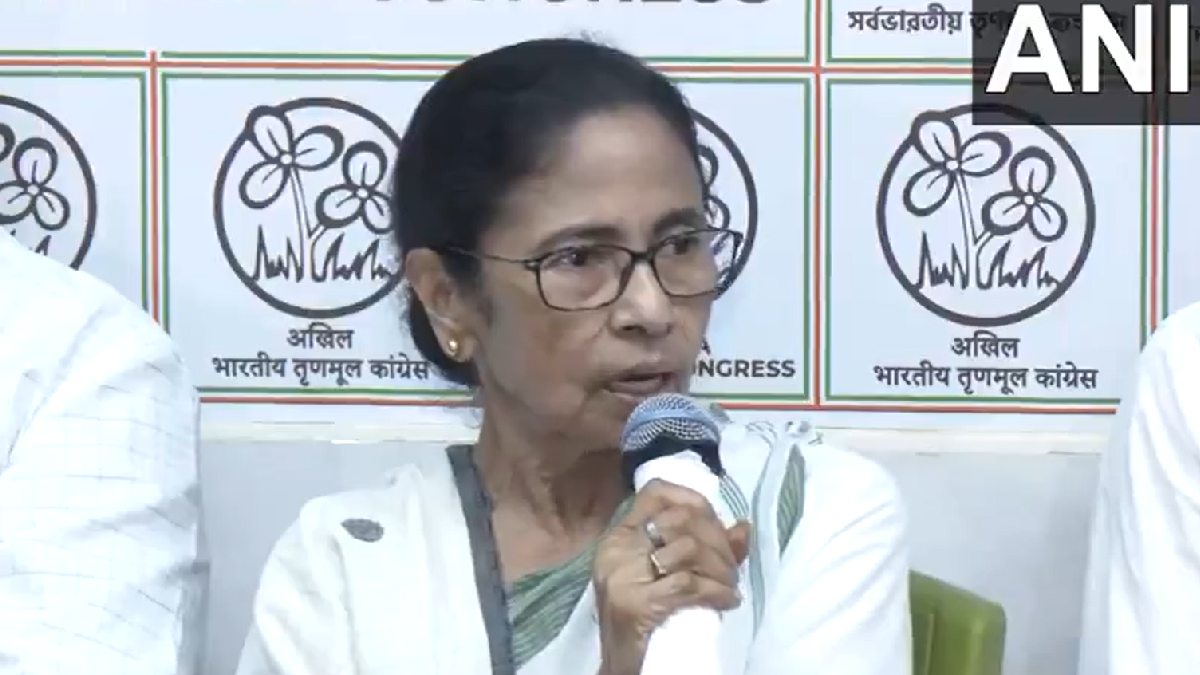
Tomorrow’s hearing will represent a watershed day in India’s journey through democracy. Mamata Banerjee’s choice to argue on her own in the Supreme Court is unprecedented and profoundly symbolic. It represents her resolve to stand up to what she perceives as irregularities and conspiracies, and it is also a statement of the values with which she is engaged in defending democracy. Whether one agrees with her politics or not, this act stands as a reminder which is now widely held to be true that to be a democracy requires courage, vigilance, and accountability. As the nation looks on, this incident will have its record carved down as a landmark on the line of what somebody who stands up for people’s rights can do.





Comments