Multiculturalism is all too frequently celebrated as a way to connect people of various cultures. It also enables societies to be enriched by learning from the rich traditions and foods and languages and values that different people bring with them. Canada, for one, is famous the world over as a multicultural country. But with disturbing incidents, questions sometimes arise about what multiculturalism actually means. One incident is when a taxi driver casually told a woman that if they were in Pakistan, he would kidnap and rape her, but since they were in Canada, he could not act. This shocking statement challenges us to think deeply and critically about the nature of culture, respect, as well as the limits tolerance.
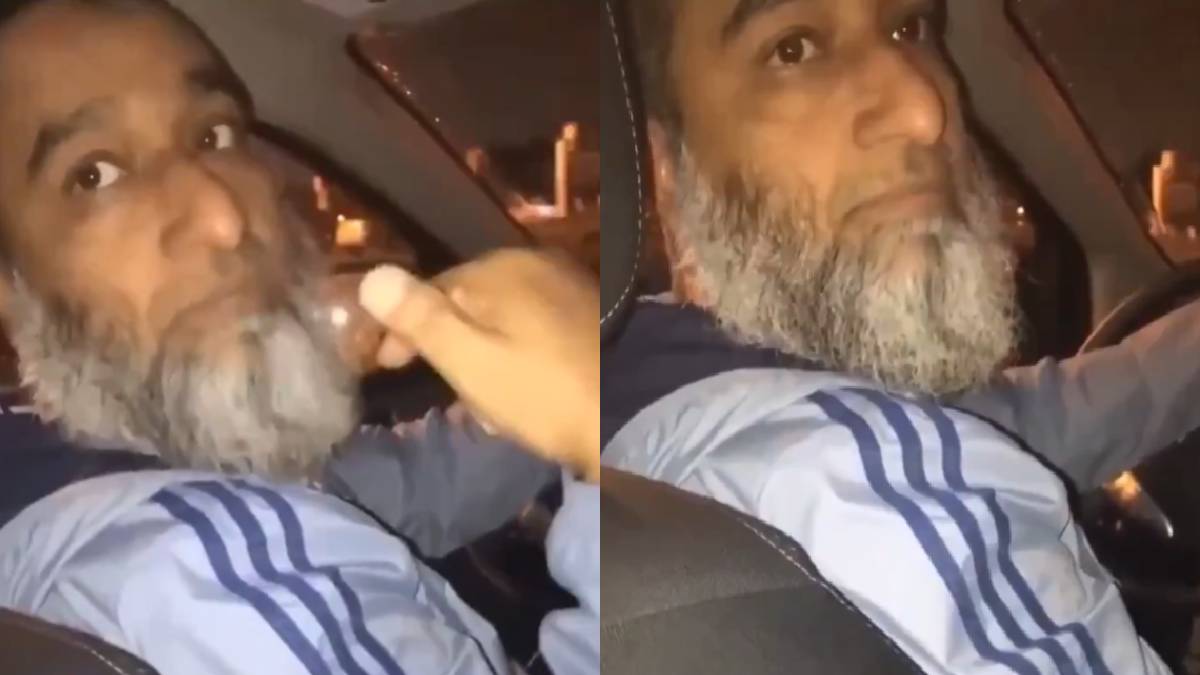
And the most problematic aspect of this is more than just the words themselves, but the casual way they were said. The driver appeared to accept violence against women as routine in his culture. Even if he didn’t act on it, the fact that he was able to say it so lightly reflects an attitude that views women as vulnerable and with no rights. This is not so much about one man, but about how harmful attitudes can cross borders, a much greater problem. Multiculturalism does not mean embracing all behaviors from all cultures. It means cherishing diversity as an essential element of humanity in which we respect universal human rights. It is no longer a question of diversity when a person claims to be using culture as an excuse for violence or disrespect; it is abuse.
A Pakistani taxi driver in Canada tells a woman that if they were in Pakistan, he would kidnap and rape her, but since they are in Canada, he cannot do anything.
— Dr. Maalouf (@realMaalouf) January 30, 2026
Look how casually he says that, like it’s a normal thing in his culture!
Is this what multiculturalism means? pic.twitter.com/FwRB1i1FzJ
Multicultural living is a responsibility. People in moving countries need to understand the laws and values of that society. Canada – like so much else – is founded on justice, safety and respect for respect. Women should be able to live without fears of harassment or violence. Open conversations about kidnapping or rape, even hypothetically, breach the trust that multiculturalism is designed to create. Respect is not a luxury; it lies at the heart of peaceful coexistence. Without it, multiculturalism is fragile.
One thing to remember though is that no culture should be turned into violence or abuse. Pakistan, like any other nation, has millions of people who value women, fight for justice and desire a better society. To say that violence is “normal” in a culture is unfair to those who work hard to change it. Yet harmful traditions and attitudes exist in many places, and they will have to be challenged. When a person insists that violence is embedded in his or her culture, they misuse the very idea of culture. Culture is not static, it changes. Practices that cause further harm should not be defended under the banner of tradition. Multiculturalism has to find a line: diversity is welcome, but abuse is not.
Real multiculturalism is about mutual benefit not harm. It involves reciprocating food, music, stories and values that enrich society. It means being open to difference and agreeing at the same time on fundamental human rights. It is not about putting up with violence, sexism, or threats. In fact, multiculturalism works best when people bring the best parts of their culture and leave behind the harmful ones. So that societies can become stronger together.
Let's not dismiss the taxi driver's incident. It is a reminder that multiculturalism needs clear borders. States, communities, and individuals need to call out damaging attitudes. Education is an important part of your job to teach respect, equality and empathy across cultures -- that’s how you prevent this from happening. Simultaneously, we must refrain from charging entire communities with the actions of one individual. When multiculturalism becomes stereotype warfare, it fails. Instead, we need a society where everyone from anywhere understands that violence is never acceptable.
Multiculturalism consists not of taking everything at face value. It is to build this society where you can be plural with human dignity. The taxi driver’s statement reveals the negative end to disregarding this balance. To maintain multiculturalism, we should have clarity: both respect and safety are unchangeable. Diversity is nice to have, but can only be so long as it doesn’t undermine human rights.