Life should be protected by the human right to healthcare, not subject to human weakness. But in Jharkhand, a shock case has surfaced in which a woman became infected with HIV during a C-section at a government hospital. Her husband and young daughter also later tested positive. This tragedy isn't just about a single family -- it poses grave questions about medical negligence, responsibility, and public health in India.
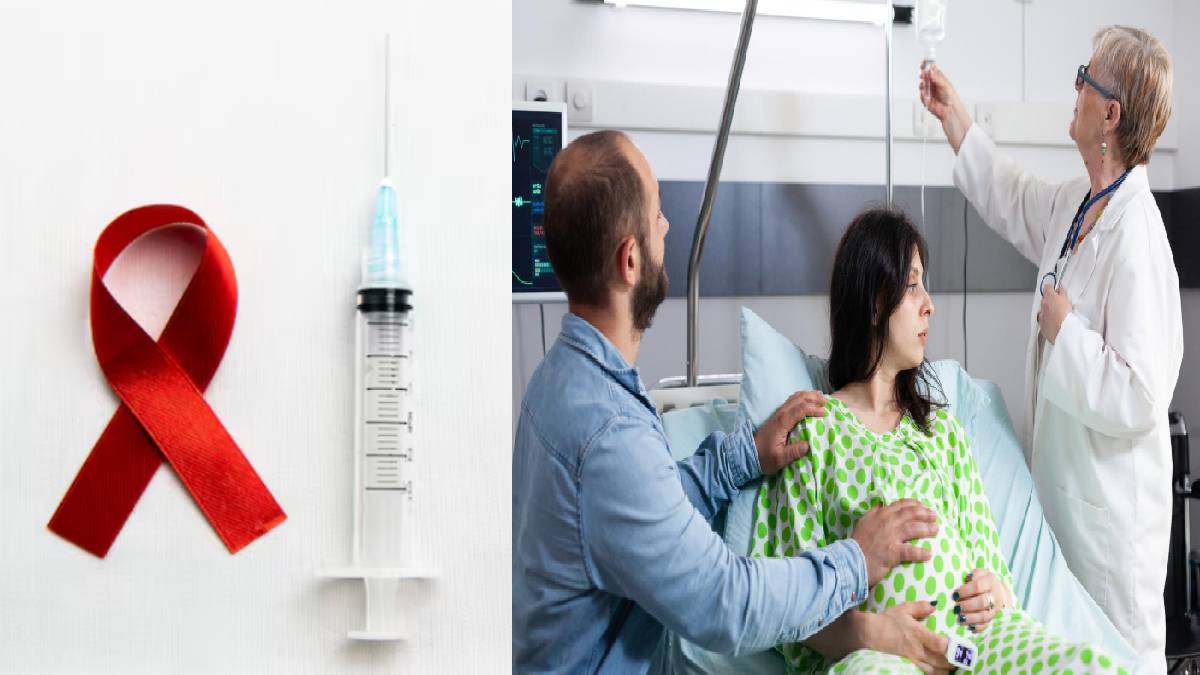
The woman had gone to the hospital for an actual delivery she should have had. Like thousands of mothers, she had believed the system provided safe care. But rather than being safe, she was subjected to HIV, a virus that has the potential to change people’s lives forever. Months later, her husband and daughter also tested positive, proof that the infection was not confined and was spreading among family members.
Life for them has become a daily struggle of stigma, fear, and medical hurdles. Hospital-based HIV transmission is mostly due to practices that are unsafe or dangerous, including blood transfusions that aren’t sterilized, reuse of needles or surgical instruments or insufficient practices for infection control, medical experts say. In this example, the precise cause is still being studied. But there you have it: an incident like that never should have occurred in the healthcare system.
This tragedy underscores a broader issue: the inability of government healthcare centers to uphold basic safety standards. Infection detection and control, blood screening, and sterilization are strictly followed in India. But at large hospitals such regulations are flouted because of a lack of trained staff, lack of monitoring, few resources and an environment of failure in which errors are excused. It is ordinary families who suffer when their systems fail.
For the Jharkhand family the cost is not only medical, emotional and social. Now the woman has come face to face with the trauma of having contracted HIV in the process of being given safe childbirth. A husband who trusted the system is now infected. The child, who is innocent and vulnerable, will develop an ongoing condition for life. There is also stigma beyond the family too. HIV patients in India face discrimination in schools, workplaces, communities and even neighborhoods in some parts of the country. This is another layer of hardship and humiliation.

The primary question is accountability. Who will answer for this? Is the hospital in which the C-section took place responsible for these actions? Does the safety protocol violation by the doctors and staff need to be punished? Or should the state health department be made responsible for inadequate monitoring? In India, medical negligence cases drag on for many years in courts. Families seldom see justice and compensation. Without vigorous action this incident will turn into another forgotten tragedy.
This must be a wake-up call. To avoid such failures, the healthcare system should have strict infection control in all hospitals, conduct regular audits of medical practices and equipment, train staff on how to properly maintain standards of practice and provide transparent reporting when those standards have not been met. At the same time, families affected need counseling, medication, and dignity. Healthcare is not an answer but trust. Once trust is lost, rebuilding it takes years.
The Jharkhand HIV case is more than a medical error, it embodies a failure of structure, a failure to address the health care system. A family’s life has been ruined by carelessness in a place meant to heal. Accountability must be secured and reform should follow. Otherwise, more families will continue silently suffering. Healthcare should never be a gamble. It ought to be a pledge of safety, dignity, and care.