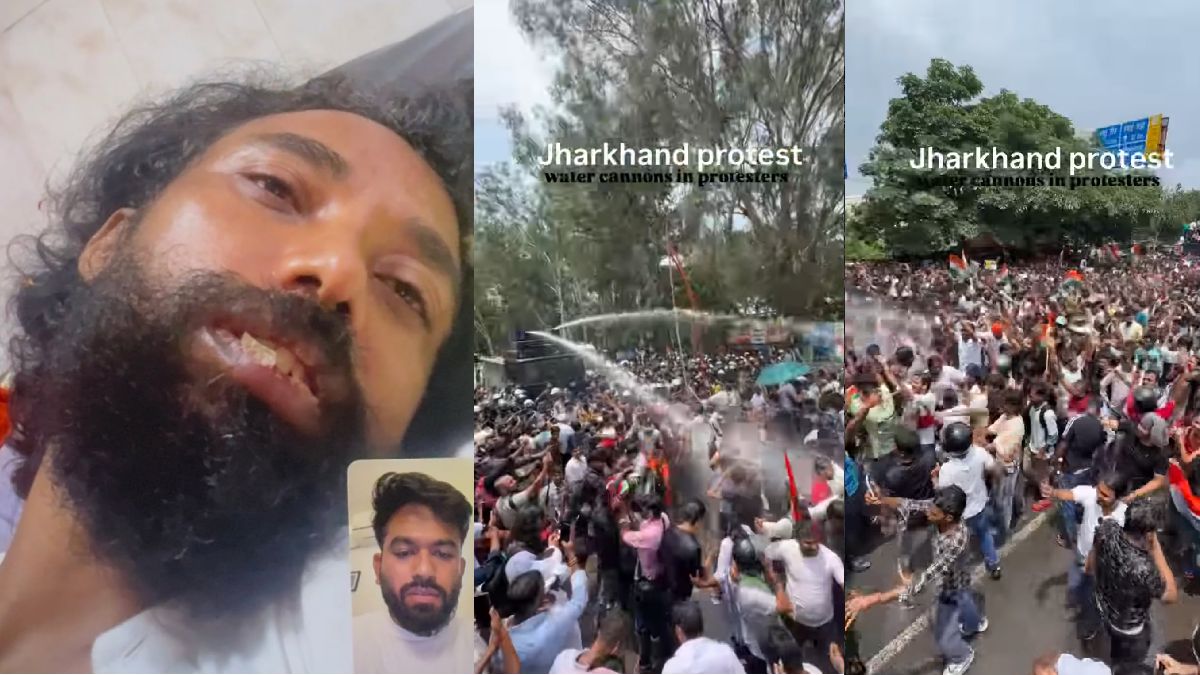
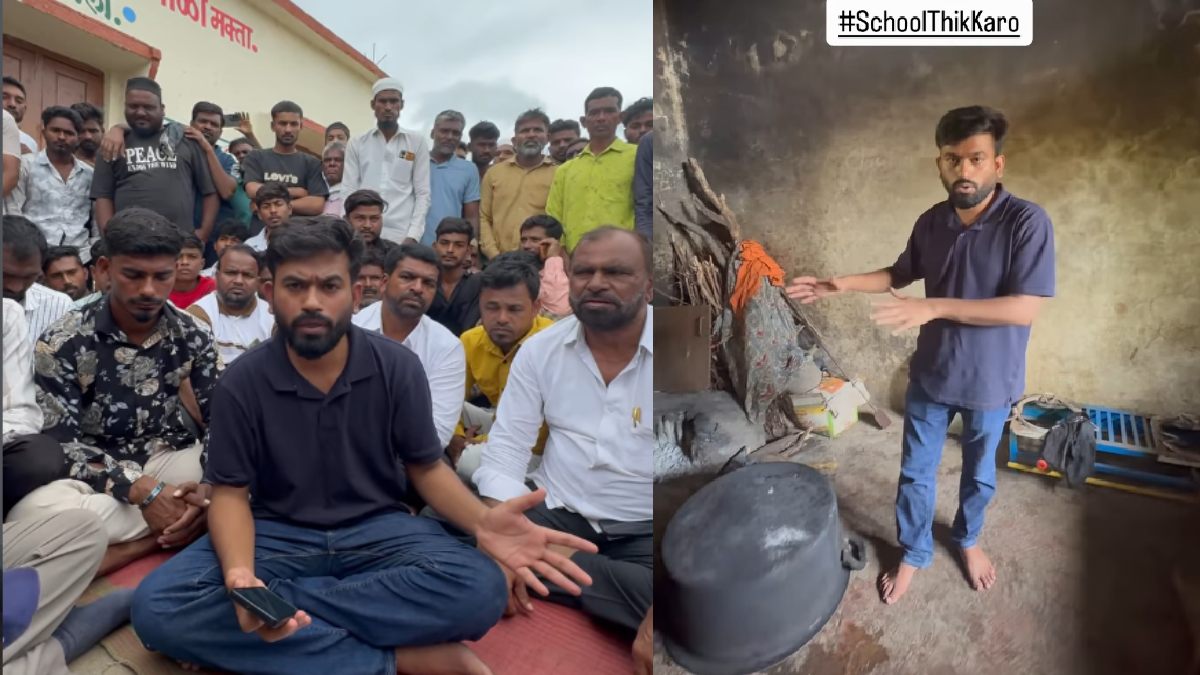
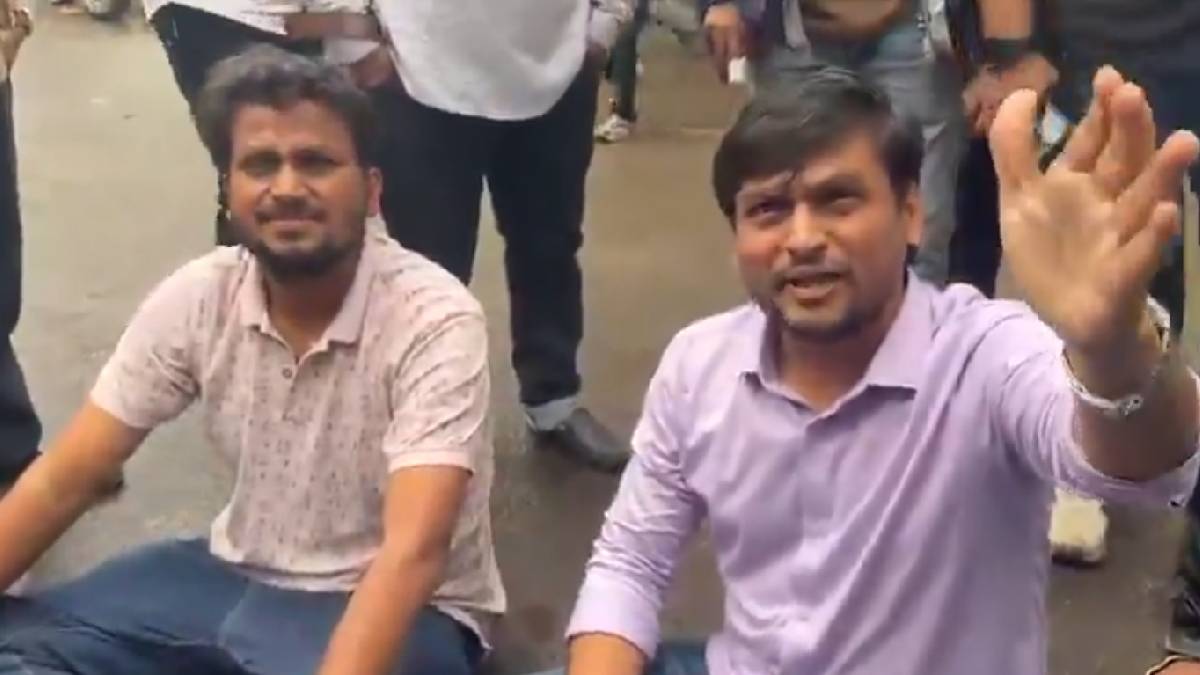
Abhijeet Dipke has alleged that he was threatened and forced to join the Bharatiya Janata Party (BJP), triggering a new political controversy and prompting questions over the details and evidence supporting the claim.
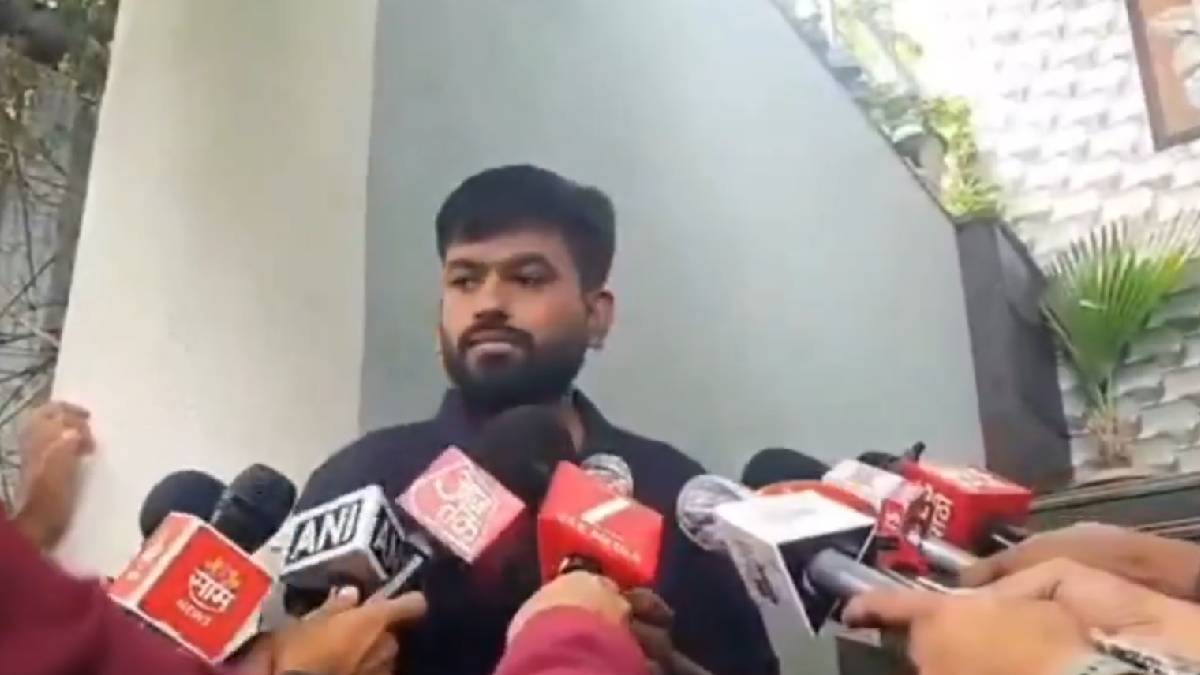
The allegation has attracted attention because accusations of political pressure or threats are serious and can have wider implications for public trust and democratic discourse. But the claim remains an allegation and has not been independently verified.
Now Abhijeet dipke claims that he received a threat from the BJP to join the BJP party.
— Megh Updates 🚨™ (@MeghUpdates) July 30, 2026
Few words for him ... pic.twitter.com/6KUklXsbDI
Dipke’s statement has led critics and political observers to ask whether he has identified the person or persons who allegedly made the threat, when the incident took place, and what form the alleged pressure took.
“Serious allegations require serious evidence,” has been a key response from those questioning the claim.
Political allegations can spread rapidly on social media, especially when the parties are big. But public accusations can be confusing if they don’t have evidence from specific information, documents, audio recordings, messages or other verifiable evidence.
Those who have questioned Dipke’s claim have argued that he should provide clear details if he believes he was threatened or pressured to join the BJP.
They have asked for the identity of the alleged individual, the date and location of the incident, and the exact nature of the communication.
If the allegation involves a direct threat, the matter can be reviewed in the appropriate legal or law enforcement manner. A complaint could be filed, and investigators can assess what happened and if an offence was committed.
At the time of writing, there is no independently verified evidence supporting the allegation.
The BJP’s response to the specific claim was not immediately available. The party may issue a clarification or denial if it wishes to respond to the claim.
The controversy has also revived the argument over the responsibility of political leaders and public figures when making serious accusations.
Freedom of political expression allows leaders and citizens to address problems and question those in power. At the same time, threats, coercion or political intimidation have serious consequences and should be backed up by facts as often as possible.
Supporters of Dipke may claim political pressure can be difficult to document and that individuals should be free to raise concerns. Critics, though, say that public accusations need to be accompanied by sufficient details so that it can be a fair review.
As a result, two important principles are of importance: the right to make allegations and the duty to substantiate them.
The claim has also led to some debate about whether political controversies are becoming less about evidence-based discussions and more about dramatic statements.
In today’s age of viral videos and instant social media responses, a statement can reach a large audience in minutes. This can also increase public awareness but can come with conclusions drawn before all information is known.
Political parties often accuse one another of trying to influence leaders, workers or elected representatives. Such accusations are frequently made in the midst of political tension, protests, elections or discussions that involve political defections.
But each allegation must be assessed on its own facts.
If Dipke provides additional evidence or identifies the individuals allegedly involved, the claim could be investigated further. Authorities may also be asked to investigate if a formal complaint is filed.
Until then, the allegation should not be considered as a fact.
The development has raised questions as to whether there should be greater transparency and accountability. Dipke’s statement has prompted those questioning it to say that a serious accusation should be followed by clear evidence.
The central question remains: Who allegedly issued the threat, what was said, and what evidence is available?
Without answers to these questions, the allegation is most likely to remain a matter of political debate rather than a verified account.
The controversy is likely to continue until Dipke provides more details or the BJP gives its reply.
For now, though, the claim has stimulated debate on political pressure, party switching and the need for evidence in public discourse.
The matter highlights the need for political debate to remain rooted in verifiable facts. Serious allegations should be examined carefully, and all parties should be allowed to present their side.