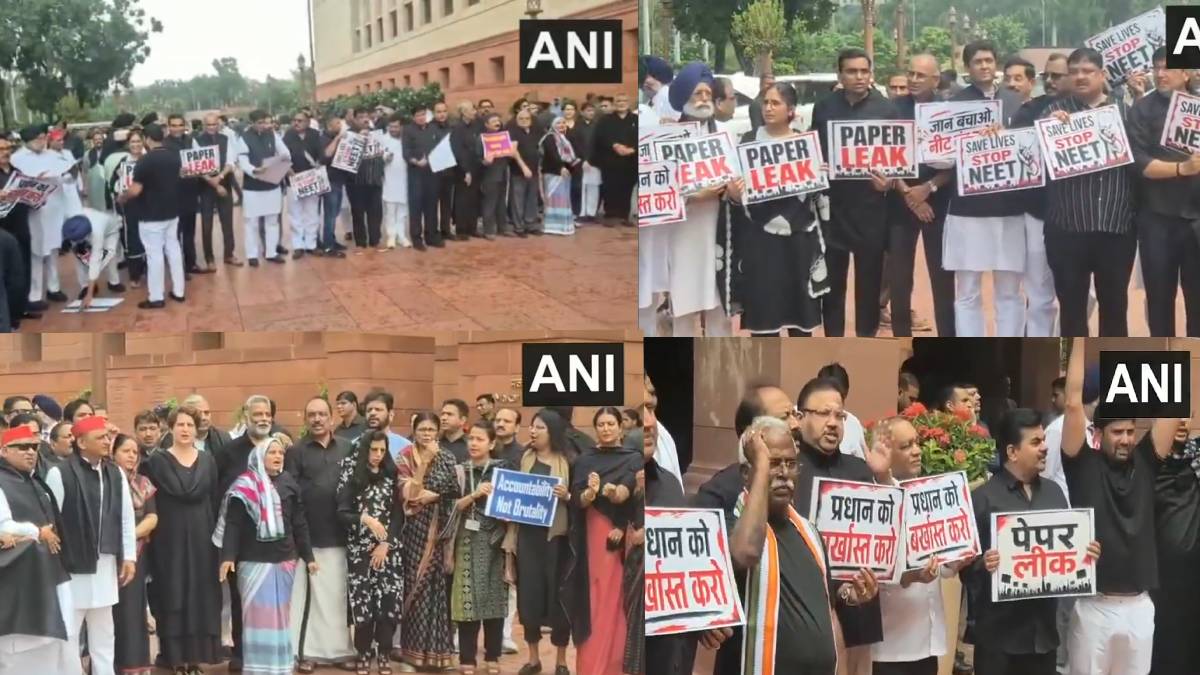
New Delhi, the national capital of India, often sees increased security arrangements during major events, intelligence warnings, festivals, international visits, or periods of increased geopolitical tension.
But who decides when Delhi should be placed under a high security alert?
The decision is not made by a single authority. The coordination of these agencies at the central level and at the state level is a matter of close cooperation. Delhi Police is responsible for law and order in the capital under the Ministry of Home Affairs (MHA). But security alerts are generally based on intelligence inputs from national intelligence and security agencies.
When agencies like IB, Research and Analysis Wing (R&AW) or other security entities find a credible threat, they pass on their findings to the Ministry of Home Affairs. The MHA then evaluates the information and, if necessary, issues advisories or directives to enhance security measures.
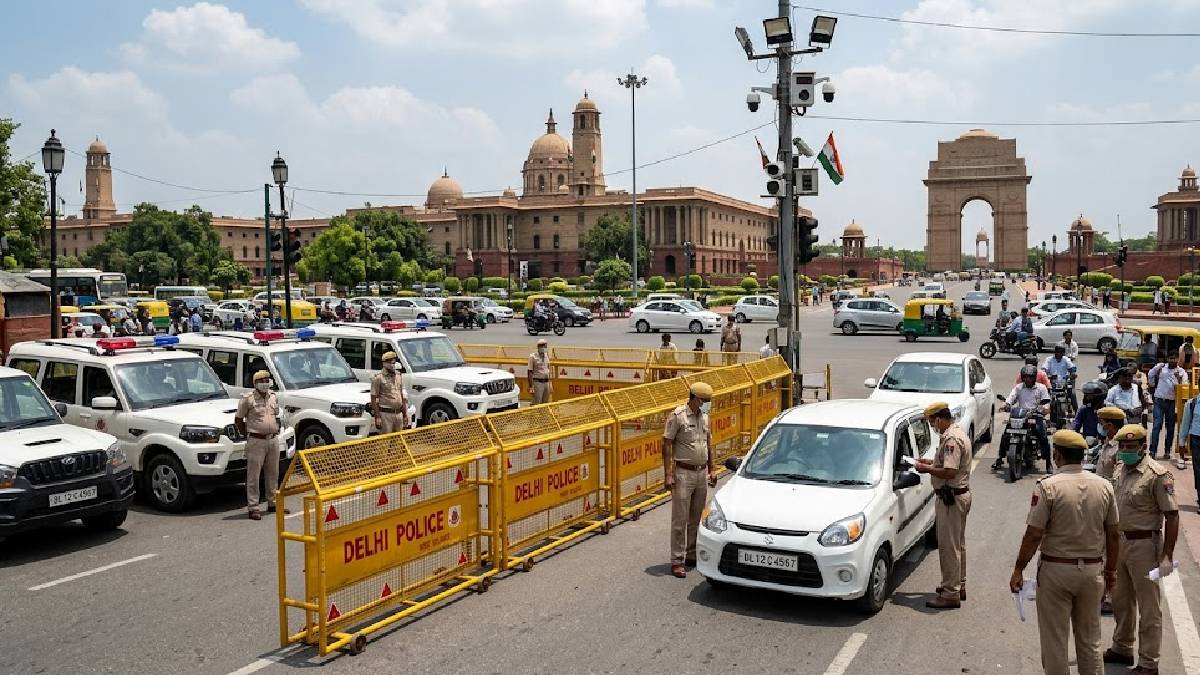
The Delhi Police Commissioner has a key role in implementing these directives. Based on the threat assessment, the Commissioner can order increased deployment of police personnel, additional vehicle checks, intensified patrolling, surveillance at sensitive locations, and enhanced security at transportation hubs, markets, government buildings, and public gatherings.
In the case of national security, the Ministry of Home Affairs coordinates with the National Security Guard (NSG), Central Reserve Police Force (CRPF), Central Industrial Security Force (CISF), and other central armed police forces. These forces can be deployed depending on the nature and severity of the threat.
High security alerts are commonly declared during Independence Day and Republic Day celebrations, visits by foreign heads of state, major religious festivals, important court verdicts, intelligence warnings about possible terror threats, and periods of heightened tensions along India’s borders.
During such alerts, commuters may see increased frisking at metro stations, airports, railway stations, shopping malls, and elsewhere in the metro space. Police also conduct random vehicle inspections, deploy bomb detection teams, increase CCTV monitoring, and carry out anti-sabotage checks at critical infrastructure.
Authorities also advise citizens to remain vigilant and report any suspicious activity through police helplines or emergency services. Public cooperation is seen as a key element of security in most high-alert periods.
It is important to remember that a “high security alert” does not necessarily indicate that an attack is imminent. It is a preventive measure to prevent any potential threat and respond quickly if any untoward event happens.
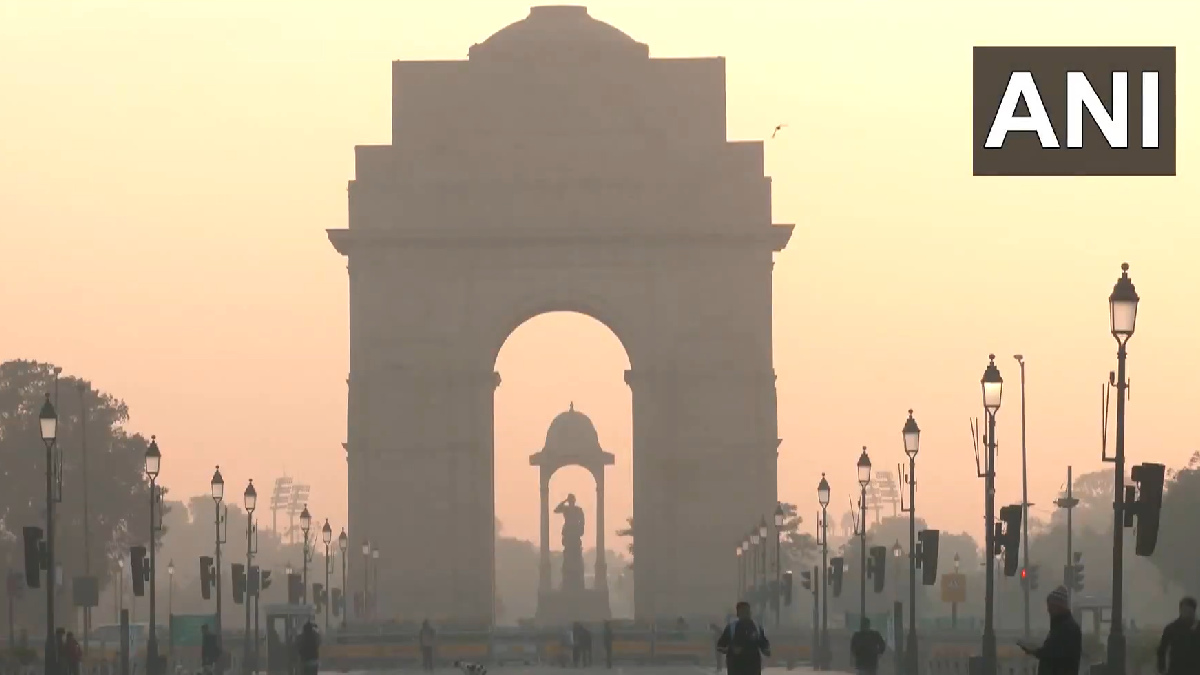
Delhi, as the seat of the Union Government, home of Parliament, Supreme Court, foreign embassies, and several strategic installations, is one of the country’s most heavily protected cities.
Since these are sensitive areas, security alerts are often monitored by intelligence agencies, the Ministry of Home Affairs, Delhi Police, and other security forces and are made to be taken into account regularly in order to keep the public safe.