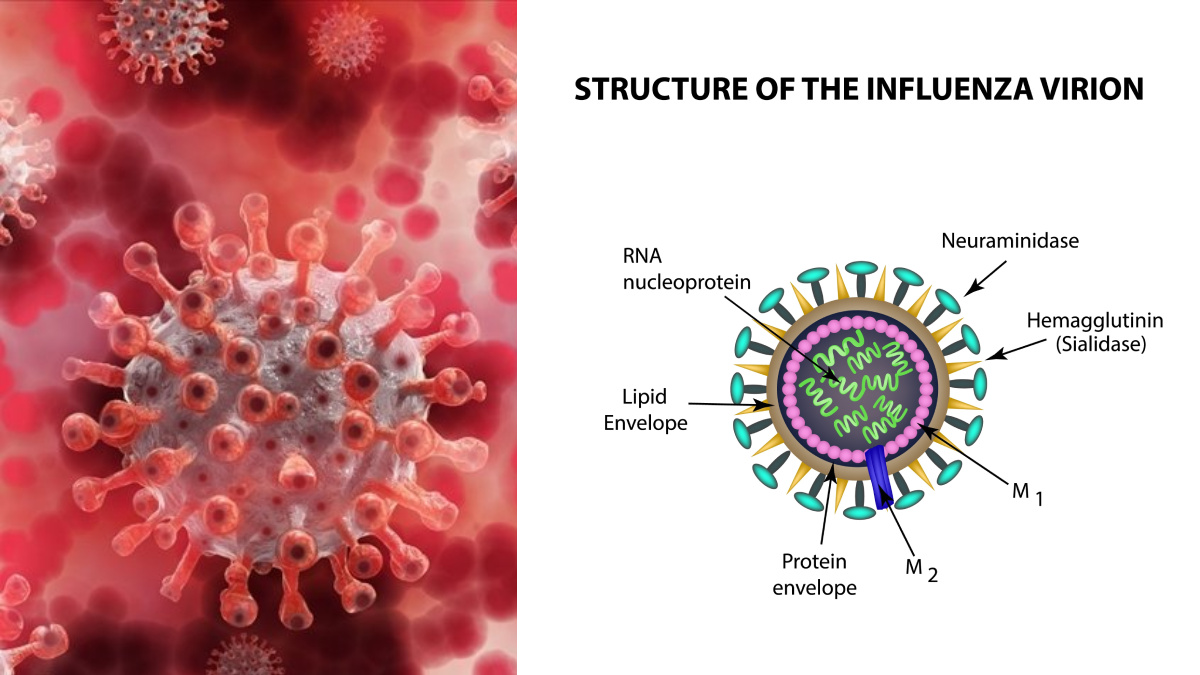
The World Health Organization (WHO) has issued a warning about a potential ‘Black Rain’ health hazard that could impact northern parts of India in the coming days. Experts have raised concerns that toxic fallout from industrial emissions, smog, and environmental pollutants could combine with rainfall, resulting in health risks for residents in affected regions.
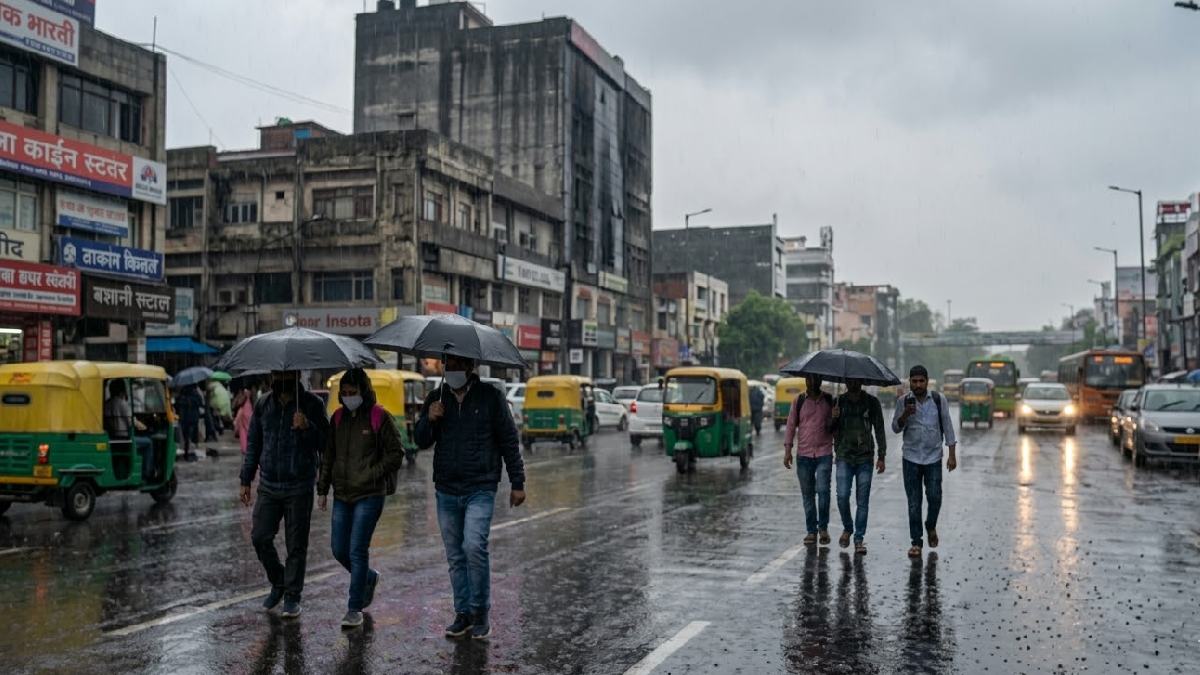
‘Black Rain’ refers to rain that carries high levels of particulate matter, soot, and chemical contaminants, often originating from urban pollution, industrial emissions, or wildfires. When these pollutants mix with rainwater, they can fall back to the ground, potentially contaminating water supplies, soil, and crops.
Environmental scientists caution that North Indian states, including Delhi, Haryana, Punjab, Uttar Pradesh, and parts of Rajasthan, are particularly vulnerable due to heavy industrial activity and high levels of air pollution during the winter and early spring months.
“The particles in black rain are not just black dust—they contain harmful toxins that can irritate the skin, eyes, and respiratory system. People with pre-existing conditions such as asthma, chronic bronchitis, and cardiovascular problems are at higher risk,” said Dr. Anil Kumar, an environmental health expert.
Authorities have urged residents to take precautionary measures during rainfall events in the coming weeks. Recommendations include:
- Avoiding outdoor exposure during heavy rainfalls.
- Wearing protective masks and eyewear if venturing outside.
- Covering drinking water and food containers to prevent contamination.
- Cleaning surfaces and utensils that come into contact with rainwater.
Meteorologists note that the phenomenon is exacerbated by smog and dust storms, which are common in northern India during this time of year. Combined with industrial emissions, these particles settle into rain clouds and return to the ground as toxic rainfall.
The WHO alert has prompted state governments to advise schools, hospitals, and offices to prepare for potential health impacts. Public health campaigns are being launched to educate citizens about preventive measures and first-aid responses in case of exposure.
Experts also emphasize the importance of long-term measures such as reducing industrial emissions, controlling vehicular pollution, and monitoring air quality to prevent similar hazards in the future.
Residents are being urged to stay vigilant and informed via official weather and health alerts. While black rain is a rare but serious phenomenon, proactive precautions can significantly reduce its health impacts.