The World Health Organization (WHO) and regional health agencies have issued a global alert regarding the rapid spread of a new seasonal flu variant: Influenza A(H3N2) subclade K (also known as J.2.4.1).
The variant has now become the dominant strain in several countries across the European Union, East Asia, and North America. While seasonal flu is expected this time of year, officials are concerned by the "notable evolution" of this particular strain, which has led to an unusually early and aggressive start to the 2025–2026 flu season.
Where is Subclade K Spreading?
Genetic sequencing data confirms that Subclade K has overtaken previous strains in multiple regions:
- European Union: Accounting for up to 90% of cases in countries like the UK, Ireland, and Slovenia.
- North America: Rapidly increasing in the United States and Canada, with specific surges noted in New York, Ontario, and Quebec.
- East Asia: Records indicate early peaks in Japan and parts of China.
- Oceania: The strain was first identified as a major driver of the record-breaking flu season in Australia and New Zealand earlier this year.
Why Is This Variant Different?
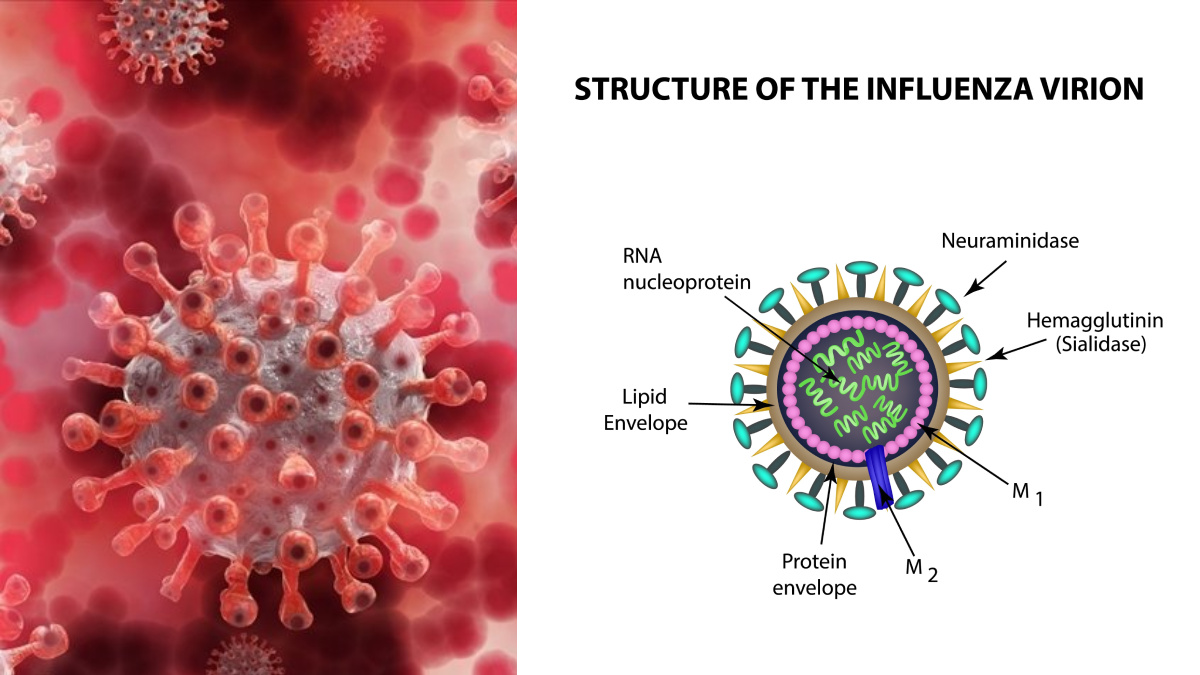
Subclade K is a mutated version of the H3N2 virus that has been circulating since 1968. What makes it a "notable evolution" are specific amino acid changes in its hemagglutinin (HA) protein—the part of the virus that attaches to human cells.
These genetic "tweaks" allow the virus to:
- Evade Natural Immunity: It is different enough from previous years' strains that people's existing immunity may not recognize it effectively.
- Spread Faster: It has shown a higher transmission rate, leading to seasons starting 4–5 weeks earlier than normal.
- Target Younger Populations: In Canada and the US, a significant portion of hospitalizations has been among children and adolescents under 19.
Symptoms and Severity
While the WHO states there is currently no evidence of increased clinical severity (meaning it isn't "deadlier"), the sheer volume of cases is overwhelming healthcare systems.