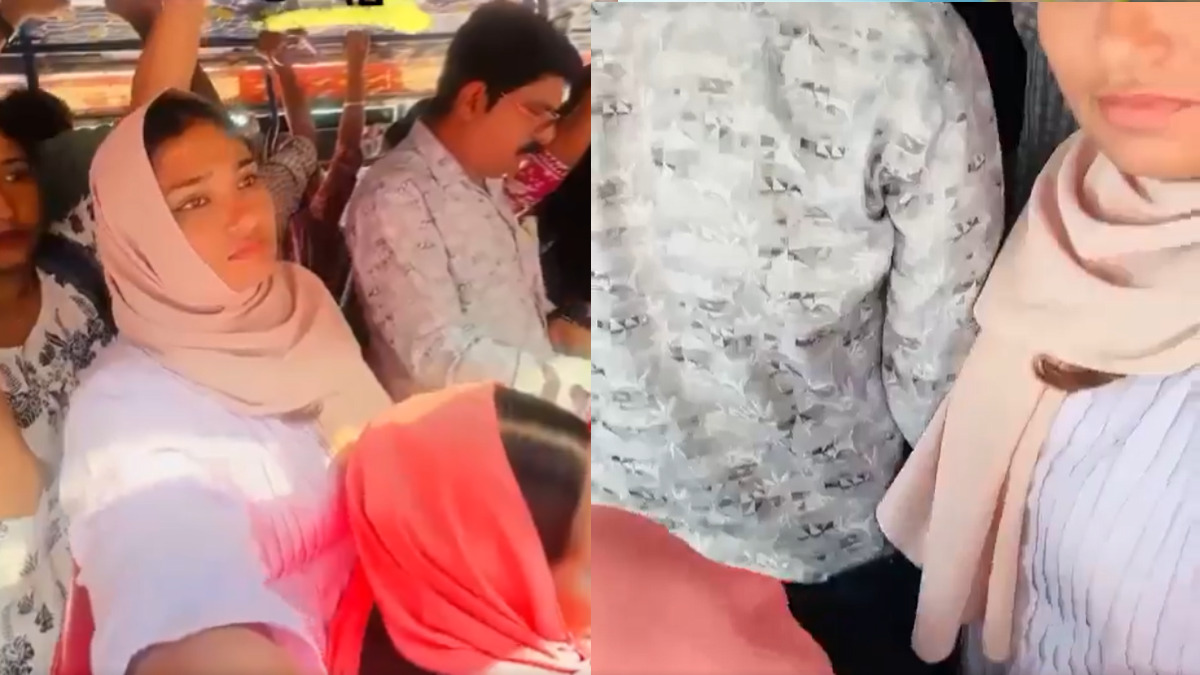
As the year in which this report was produced was February 2026 in viral videos that reverberated through HR departments and LinkedIn feeds, a young Gen Z employee reported to be Simran frozen the time of falling out of sync with her employer. Approved leave had been cancelled at the last possible moment on the grounds of an “urgent project requirement,” and standing near an airport packed with her suitcase she had received a notification that would have caused a worker from a previous generation to freeze up.

Her answer was not an apology, or a desperate search for her laptop. Instead, it was a blunt, unfiltered declaration of independence: “I’m going. I will only open my laptop after 10 days. I don't care.
"The Flight of the “Laptop Class”
The clip underscores a widening ideological divide in today’s workplace atmosphere. For Simran, the “project urgency” was a management failure not a personal emergency.
🚨 GenZ GIRL : "Boss cancelled my leave at last moment"
— News Algebra (@NewsAlgebraIND) February 26, 2026
"I don’t earn because I love work, but because I want to travel and enjoy freedom"
"To hell with the company or project" 😳
"I am going. I will open my laptop only after 10 days. I don't care" pic.twitter.com/4o7ArGSXml
Her viral rant referenced three core Gen Z philosophies that are reshaping the 2026 labor market:
- Transactional Loyalty: “I’m not working and earning because I love work but because I want to enjoy free travel." For many young professionals, work is a utility — a way to finance a life that occurs elsewhere.
- The “Approved Means Final” Rule: Simran said she notified her manager weeks before. In the Gen Z playbook, once a leave is approved, the company loses the moral and even professional license to "un-approve it," for anything short of a catastrophic event.
- Radical Limits: The phrase “To hell with the company or project” isn’t just teenage angst; it’s their refusal to submit to a “hustle culture” that glorified burnout for the Millennials and Gen X.
Work-Life Balance or Work-Life Divorce?
It is no surprise the video’s reception has been split down the middle. Critics argue that a “professional attitude” demands flexibility, while “don’t care” is the epitome of personal entitlement. However, supporters have argued that if a company succeeds because a junior employee has canceled a vacation, it has a resource problem at system level that isn’t the result of a “employee attitude” problem.
Nearly half of Gen Z workers would rather not have a job than have one that takes away from their personal happiness, according to the latest workplace survey in 2026. A "quiet quitting of hustle culture," this trend is pressuring companies to shift away from rigid hierarchies to more "structured flexibility."
The Manager's Dilemma
This is a cautionary tale to managers. The “fear factor” that previously kept workers locked into their desks disappears in 2026. And as the creator economy grows and remote freelance opportunities increase, Gen Z doesn’t need to worry about walking away. The takeaway: If you cancelled the trip, you could lose the talent altogether.
But for Simran, those 10 days of “laptop off” time were non-negotiable and for a generation that prefers freedom to the corporate ladder, that’s what the new bottom line is.