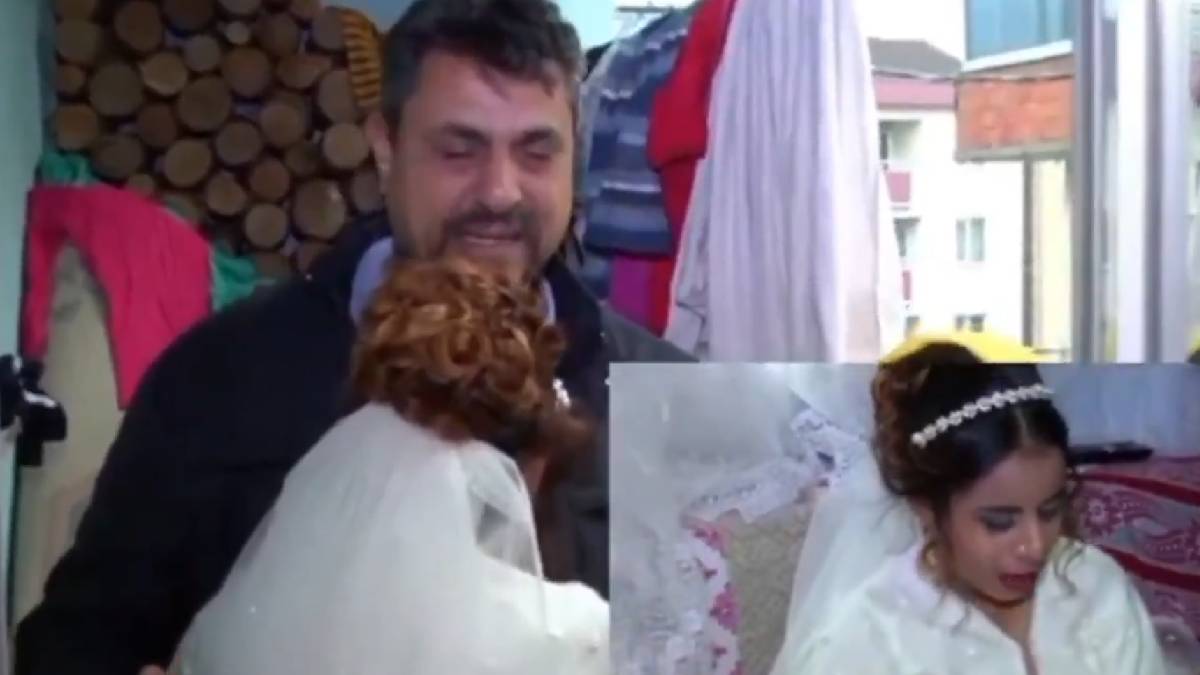
What a shocking episode of political disagreement and how that can escalate to an unsafe situation. A father and son, riding together in a car, allegedly began arguing over the state of the country after 2014. The father attempted to explain how he felt that the condition in the country had deteriorated over the last 12 years. His son, a strong advocate of the government, disagreed and the conversation soon devolved into an argument.
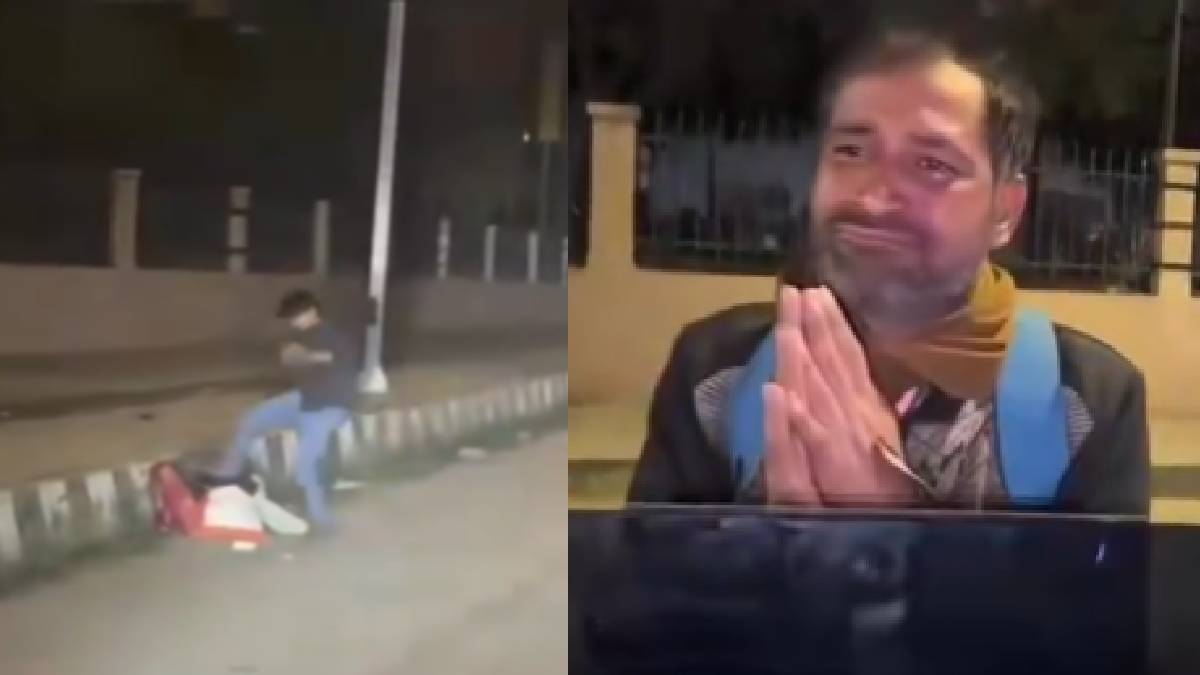
The argument reportedly saw his son lose his temper. He is said to have thrown his elderly father out of the moving car in a fit of rage. Witnesses say the son even kicked his father after pushing him onto the road, leaving him exposed and unattended. Witnesses were shocked to see the behavior in action, and then hurried to assist the father, who was not leaving for himself from outside. It has raised disturbing questions about how blind fealty to political figures or beliefs can damage families. What started out as a simple discussion on the state of the country turned violent, a cautionary tale about how intolerance and anger can break the connections with loved ones.
Luckily, the father was not abandoned. Nearby people intervened, helping him, looking out for and protecting him. The fact that they got help quickly prevented the tragedy from being any worse. The scene also promoted conversation about respect for elders or the lessons learned about managing disagreements without fighting.
The event quickly spread on social media, with many citizens expressing outrage and sadness. It was the son’s act that was criticized by the population, which described it as a demonstration of how complete devotion to political leaders as the term “blind faith” was popularized can tear a family apart. The virtual exchanges emphasized that there should never be violence between people in political differences, especially in families. Many users prayed for the father’s recovery and asked society to consider how political polarization is hitting relationships. “Andhbhakti” (blind devotion) was commonly invoked to describe the behavior of the son, and some said that attitudes can damage communities as well as private lives.
This event serves as a painful lesson that political disagreements should never cross into violence. Honouring our elders, patiently listening and keeping up family harmony are not values we should discard. Citizens might have different views about the country’s future, but the differences should be brought up humanely and thoughtfully. The father’s case highlights the corrosive nature of unchecked anger and blind loyalty and challenges society to practice compassion, not conflict.