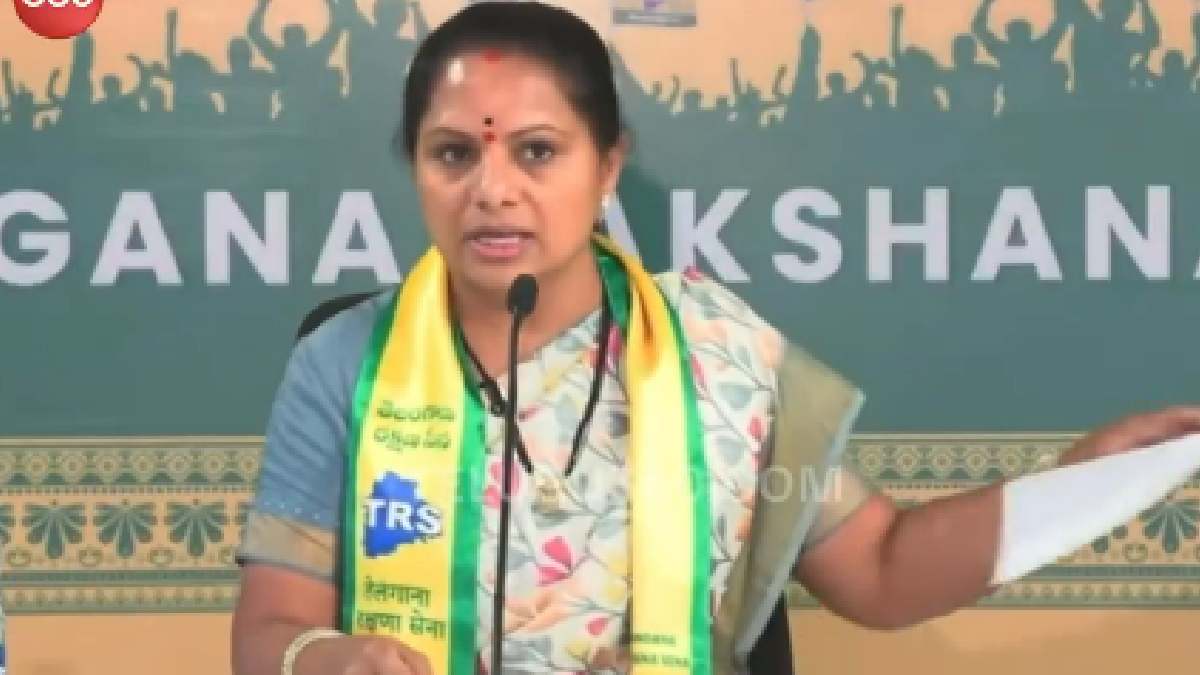
A healthy democracy depends on informed citizens. While political speeches and ideological debates as well as communal narratives are ubiquitous in TV and social media, corruption, misuse of public funds and financial accountability deserve equal attention from the public.
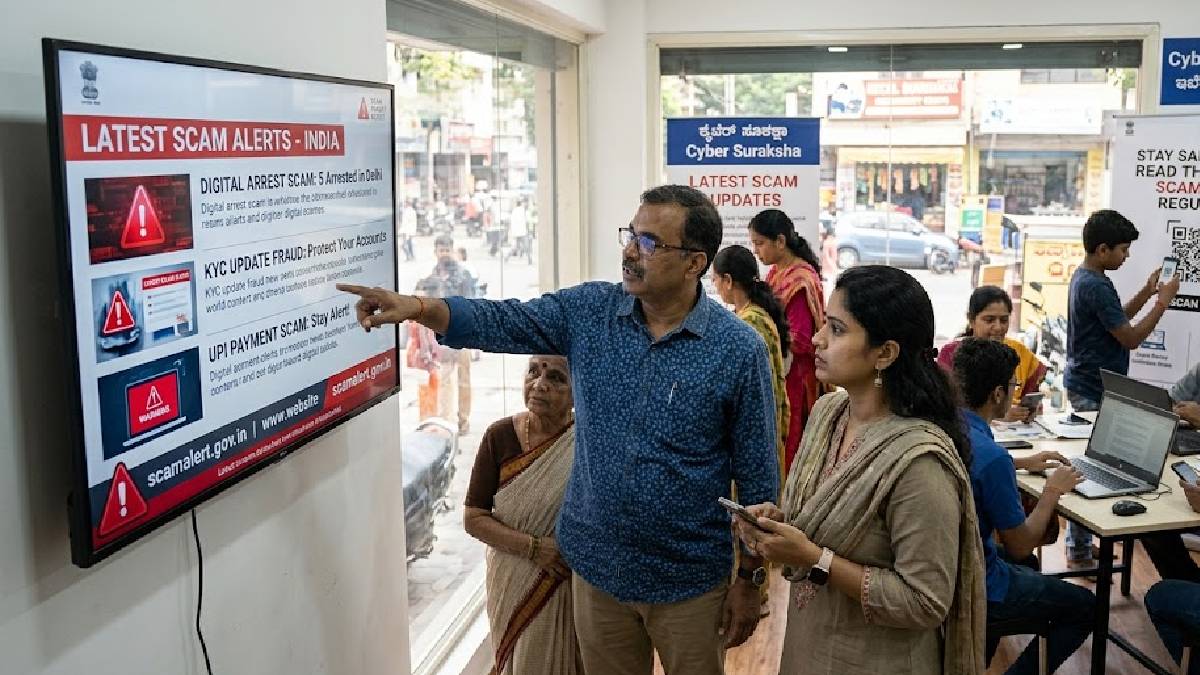
Many people spend hours reading political news, but little time following reports about corruption investigations, audit results, procurement irregularities, financial scams, or actions by agencies investigating such things. These cases involve politicians, bureaucrats, corporations, or public entities and they deserve scrutiny irrespective of whom you are.
Each taxpayer contributes to the nation's development. Public money funds roads, hospitals, schools, infrastructure, welfare schemes, and national security. So questions about how that money is collected, allocated, and spent are fundamental to democratic governance. Transparency and accountability are not partisanship; they are democratic values.
One practical habit that I can get into is the habit of searching Google regularly for latest scam news in India. That is a very simple thing to do, that is get to read the news from different news agencies, court proceedings, audit reports, investigative journalism, official comments. And instead of reading political speeches or viral social media posts, one can compare information from many sources and draw his/her own conclusions.
Political polarization often leads people to defend or criticize leaders based on party loyalty rather than evidence. But corruption is not restricted to just one political party or government. India’s history is littered with allegations and convictions of leaders and officials who come from different ideological backgrounds. That makes independent verification even more important.
Responsible citizenship is about asking difficult questions. Are public projects on time and on budget? Are welfare schemes reaching intended beneficiaries? Are there any investigations or court actions made where irregularities are alleged? Are audit reports exposing problems that are systemic? These questions are more important to democratic accountability than repeating political slogans.
At the same time, citizens are not supposed to believe that each and every accusation is true. Allegations, investigations, charges, acquittals and convictions are all different phases of the legal process. Reading all the reports and checking multiple credible sources helps to discern between verified facts and speculation or misinformation.
Media literacy in the process is equally important. Sensational headlines may bring attention, but credible journalism is based on documentary evidence, official records, judicial proceedings and transparent reporting. Comparing coverage across different publications helps to reduce confirmation bias and encourages balanced understanding.
Ultimately, democracy is strengthened when citizens stay informed, question those in power regardless of their political leanings and insist on transparency in how public resources get used. Public accountability should never become a partisan issue. It must be a shared national priority.
When political debates dominate your news feed, look for “Latest scam news in India” as well. Reading broadly, checking facts and demanding accountability from every public institution are good habits that contribute to stronger democratic governance and a more informed society.