Congress leader and Rajya Sabha MP P Chidambaram has questioned the possibility of simultaneous Lok Sabha and state assembly elections in 2029 under the proposed One Nation, One Election framework. Chidambaram said even if Parliament passed the legislation, the provisions of the proposed law would not allow simultaneous elections to be conducted in 2029.
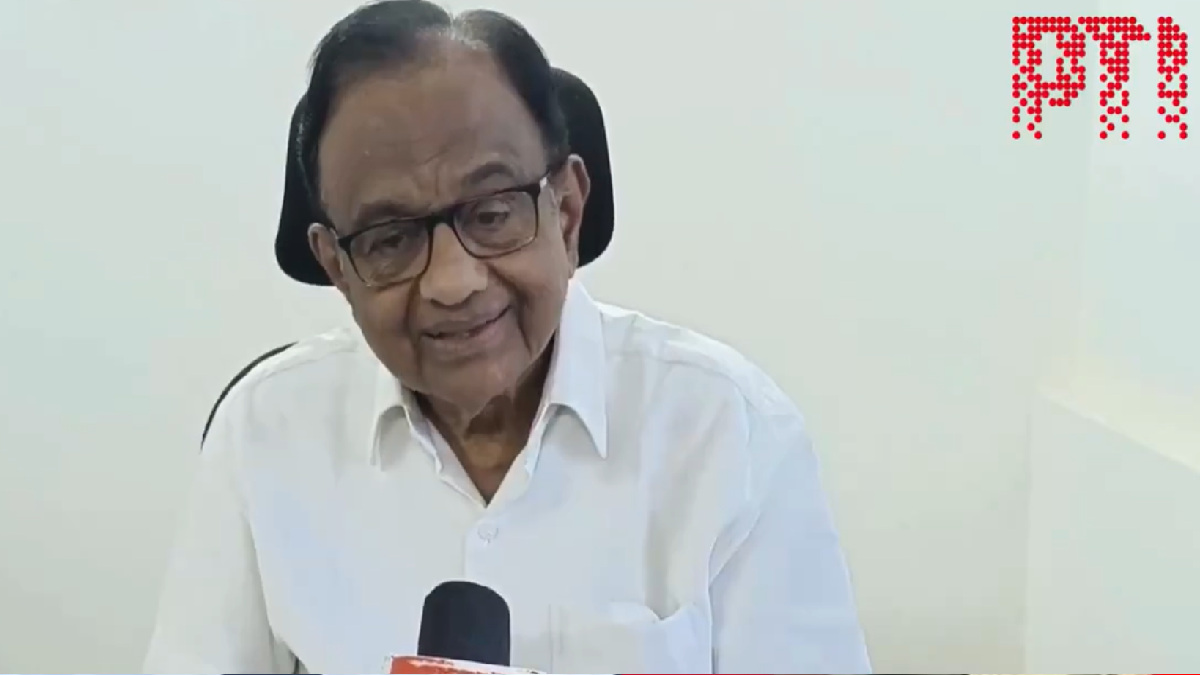
Chidambaram spoke after appearing before the Joint Parliamentary Committee (JPC) to discuss the Bills related to the One Nation, One Election proposal. In a post on X, he said he had submitted his ideas to the committee and warned that the proposed Bill could violate fundamental features of the Constitution.
Chidambaram said his deposition before the JPC was based on the impact of the legislation on parliamentary democracy and India's federal structure. He said in his testimony he couldn’t give the details of his evidence to the committee but explained the various constitutional issues he raised.
"I am grateful for the opportunity to present my views to the JPC on O.N.O.E. I am not at liberty to disclose my evidence to the JPC but the basic thrust of my deposition was that the Bill violated the basic features of the Constitution, especially the tenets of parliamentary democracy in a federal country," Chidambaram said.
Chidambaram Questions 2029 Timeline
The Congress leader also was reacting to a reported statement by the chairman of the JPC that simultaneous elections could be held in 2029. Chidambaram denied this interpretation and said it was not consistent with the language of the proposed legislation.
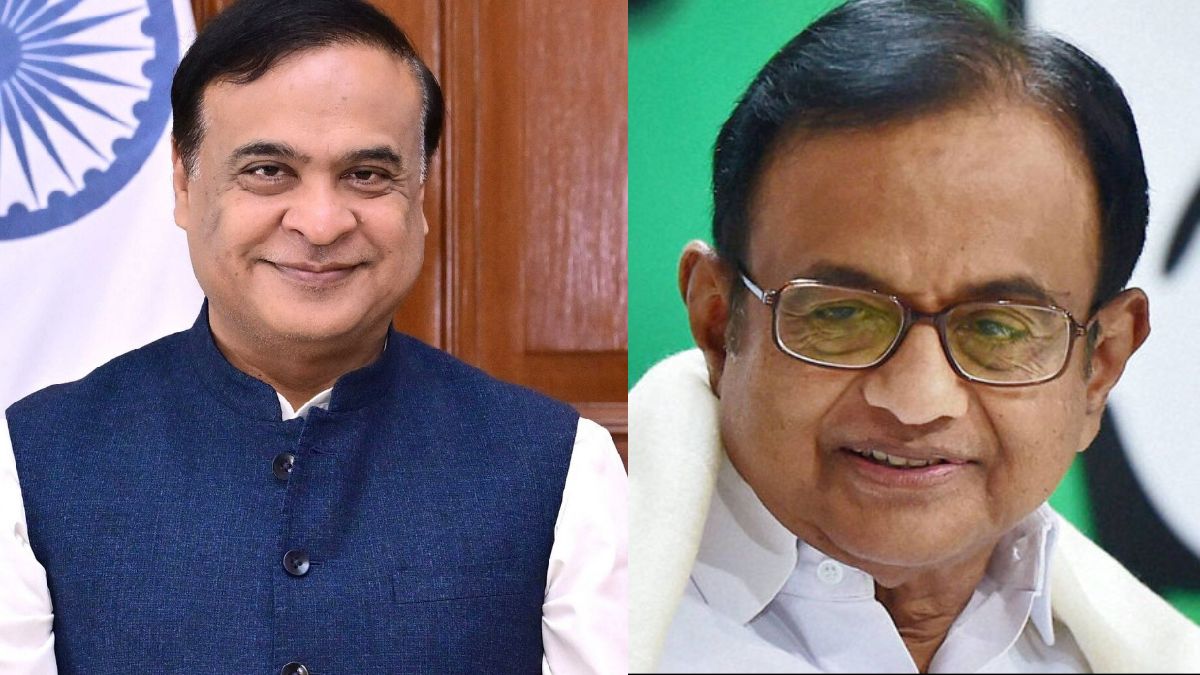
Chidambaram pointed out specifically the provision about the "appointed date." The appointed date can only be fixed after a general election, he said. The next Lok Sabha election is scheduled to take place in 2029, so the proposed framework cannot be applied to hold simultaneous elections during that same election cycle, he said.
"I have read the reported statement of the Chairman, JPC, that simultaneous elections are possible in 2029. I am afraid his view is wrong and goes against the text of the Bill," Chidambaram said, adding that even if the legislation is passed, the appointed date under the Bill could only be a date after a general election.
He also added that since the next general election is due in 2029, the proposed synchronisation mechanism would not make it possible to hold simultaneous polls in that year. Chidambaram called it a good thing from the Opposition's point of view and said the Congress and other Opposition parties would campaign against the legislation.
What is One Nation, One Election?
The One Nation, One Election proposals aim to synchronise elections to the Lok Sabha and state legislative assemblies. We are interested in a system where elections at various levels of government are held together or in synchronised electoral cycles.
The Constitution (One Hundred and Twenty-Ninth Amendment) Bill, 2024, is a key part of the proposed framework. It would put forward constitutional changes to enable simultaneous elections to the Lok Sabha and state assemblies.
In addition to the constitutional amendment Bill, the Union Territories Laws (Amendment) Bill, 2024, has also been proposed to align elections in Union Territories with the simultaneous-election framework.
The two bills were presented in Lok Sabha on December 17, 2024, and submitted to the Joint Parliamentary Committee for further study. Expert and stakeholder support has been given to the JPC for an assessment of the proposed electoral reforms.
JPC Examines Election Synchronisation Concerns
The parliamentary committee has also done study visits and sought views on how the proposed system would work in practice. Its latest study visit mentioned in the discussions took place in Lucknow in July.
I am grateful for the opportunity to present my views to the JPC on O.N.O.E.
— P. Chidambaram (@PChidambaram_IN) August 25, 2026
I am not at liberty to disclose my evidence to the JPC but the basic thrust of my deposition was that the Bill violated the basic features of the Constitution, especially the tenets of parliamentary…
As the committee weighed the matter, several suggestions were made about how elections in a particular state might need to be deferred, the sources claimed. Two public policy institutions suggested replacing subjective discretion with clear and well-defined grounds that could be examined through judicial processes.
The institutions also recommended establishing fixed outer limits for any delay in holding state assembly elections. Such provisions could be important under a simultaneous-election system since political and constitutional circumstances may differ from one state to another.
The debate over One Nation, One Election therefore goes beyond election dates. Supporters say synchronised elections would reduce the number of electoral campaigns that take place, and campaign costs and disrupt elections as well because many times the Model Code of Conduct is implemented. But critics worry about federalism, tenure of state governments and whether the constitutional implications should be kept the legislative cycles of the state are aligned.
Chidambaram’s comments underline the broader constitutional opposition to the proposal and challenge the notion that simultaneous elections could begin as early as 2029. The final shape and timeline of the proposal will be determined by the JPC's recommendations, parliamentary approval and the constitutional and legal processes that follow.