The political confrontation on Prime Minister Narendra Modi’s “dimagi Naxal” comment has gotten a lot more heated: BJP has attacked Congress leader P Chidambaram, AAP national convenor Arvind Kejriwal and Trinamool Congress MP Mahua Moitra for the same on the eve of Independence Day. Opposition leaders had picked up on Modi’s Independence Day speech, turning a phrase used by the Prime Minister into a fresh flashpoint in the political debate over Naxalism, dissent and national security.
On August 15, Prime Minister Modi’s speech to the nation from the Red Fort said that armed Naxalism had weakened significantly but a “Naxal mentality” still matters: “Naxal mentality” was still prevalent. He called for identifying the “dimagi naxals” and isolating them. The comments drew the condemnation of opposition leaders who saw it as one more political label being deployed against those who are critical of the government.
P Chidambaram, former Union minister and Congress leader, said he was proud to be a “dimagi naxal”. He said the phrase was another label which he added to the many politically charged terms used in recent years, including “urban Naxals”, “Andolanjeevi” and “tukde tukde gang”. His comments were immediately under attack from BJP leaders who said that he was trivialising the threat of Maoist violence.
Arvind Kejriwal, Delhi Chief Minister and AAP national convenor, also seemed to embrace the expression. Kejriwal said that asking questions about the government and demanding a corruption-free system should not make someone a Naxal. His reply added another prominent opposition voice to the controversy. Mahua Moitra also sided with Chidambaram and that only deepened the debate over the meaning and use of the term.
The BJP, however, maintained that Modi’s remarks were not directed at opposition leaders just because they criticised the government. Union Minister Kiren Rijiju described Chidambaram’s response as “very unfortunate” and “highly damaging”. The Prime Minister was talking about the people or groups which support Maoists, reject the Constitution, back separatism or advocate positions that threaten India’s territorial integrity, he said.
BJP spokesman Sudhanshu Trivedi also rebutted Chidambaram’s remarks by recalling the Congress-led government’s earlier stance on Naxalism. Trivedi quoted former Prime Minister Manmohan Singh’s 2006 statement that Naxalism was the “single biggest internal security challenge” facing the country. The reference was used by BJP to convince people that the threat of Left-wing extremism, in fact, is being taken seriously by different political parties and it was all long known.
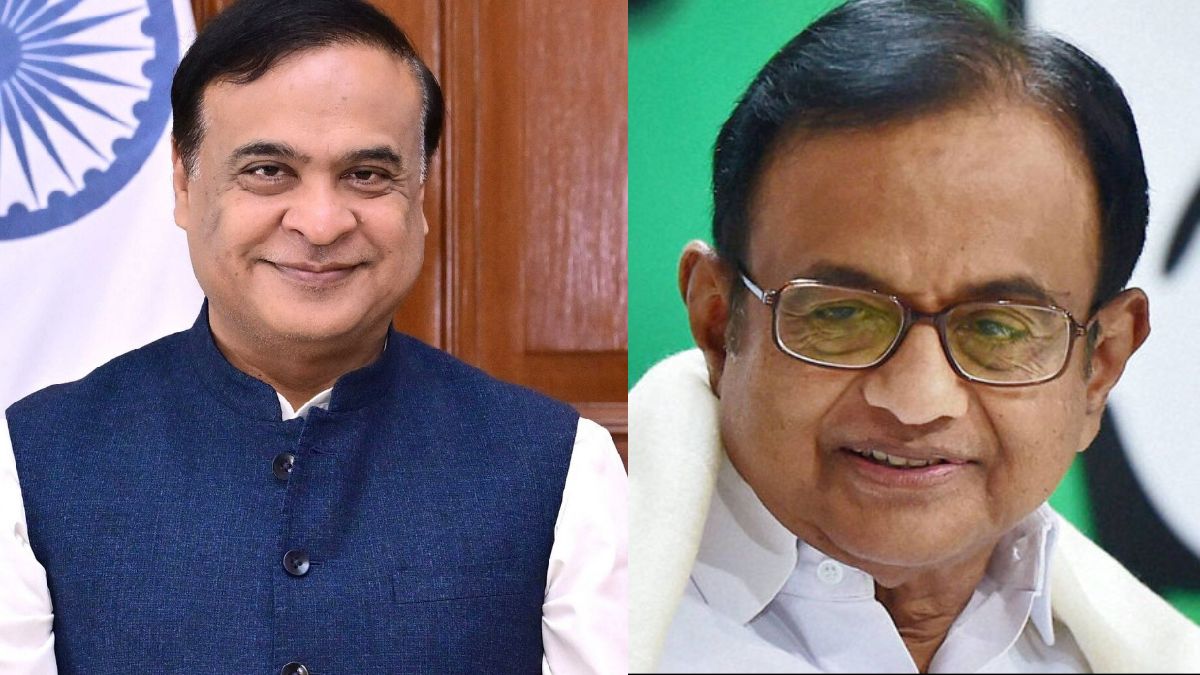
Assam Chief Minister Himanta Biswa Sarma was even more aggressive in his responses. Sarma said Chidambaram was not a “dimagi Naxal” but a “pure Naxal”. His speech magnified the personal nature of the political fight and it also brought attention back to Chidambaram’s earlier position as Union Home Minister.
BJP MP Ravi Shankar Prasad also criticized the Congress leader, asking whether Chidambaram misunderstood the context of Modi’s Independence Day speech. Prasad said the Prime Minister was talking about the support for Naxalism and Maoism and not targeting political opponents who disagree with the government.
The BJP subsequently posted an old video in which Chidambaram discusses the possibility of talks with Naxalites during his tenure as Home Minister. The party wanted to use this footage to question his earlier approach to dealing with Left-wing extremism and contrast it to his latest comments.
The issue shows the continuing political sensitivity of the word “Naxal” in India. While the government and BJP leaders associate the term with Maoist violence, separatism and challenges to constitutional authority, opposition leaders have argued that labels like “urban Naxal” or “dimagi Naxal” can be used to stigmatize dissent and criticism.
So the latest exchange is not simply about a single word. It is about a larger political debate over what is not acceptable dissent, security and the words used to describe ideological dissent. The “dimagi Naxal” debate, for now, is still something that leaders of both sides are hammering out and will continue to do so.