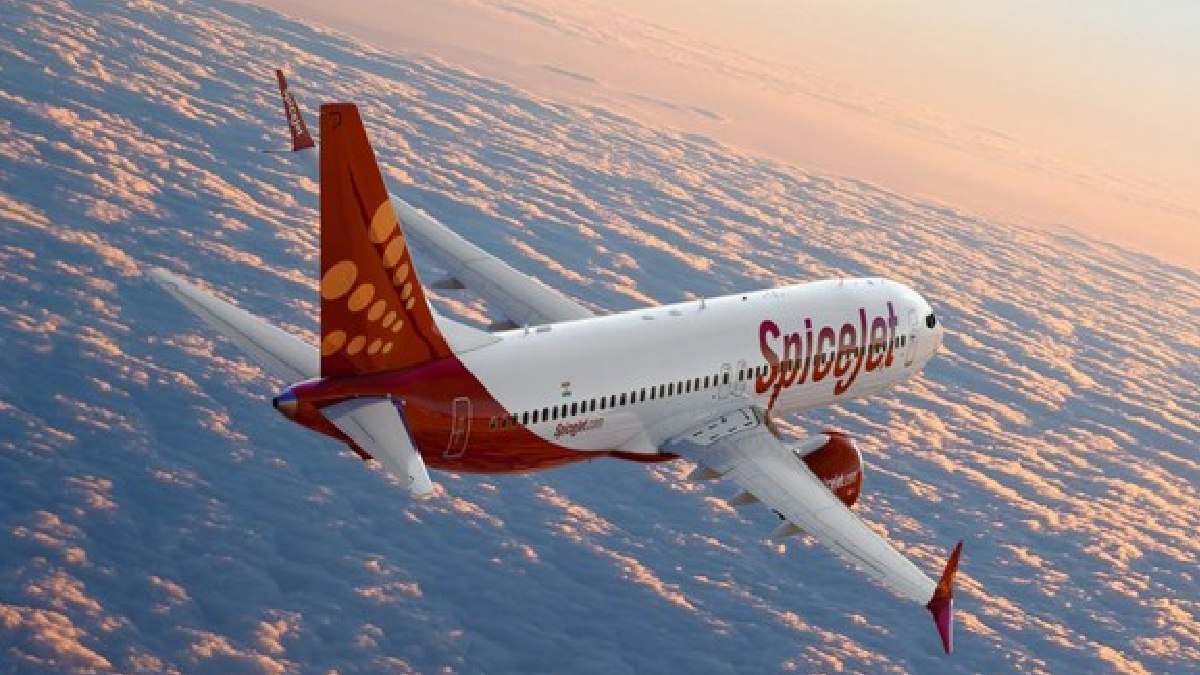
Indian air travelers in particular may feel a pinch in their pockets as the escalating conflict in West Asia ripples through airlines. Ajay Singh, Chairman & Managing Director of SpiceJet, issued an alarming warning today when quoted with the news that, with crude oil prices currently hovering around $90 per barrel, the domestic airline industry has seen their "unsustainable" flying.
The “Unsustainable” Cost of Flying
In a statement to media outlets, Singh said fuel accounts for almost 40% of an airline’s operating costs in India. As the Iran conflict wreaks havoc on global energy markets, Singh cautioned that carriers are now hitting a breaking point that may be unbearable to absorb the high costs.
“But oil prices at $90 are unsustainable,” Singh said. “Airlines cannot sustain all the costs, and ticket prices will not stabilize when fuel costs remain at such high levels.”
Fuel Surcharges on the Horizon
At least some of the burden will undoubtedly be transferred to the passenger, industry insiders say. Indian carriers are already hiking long-haul international routes by roughly 15%, however there are ongoing discussions about restarting fuel surcharges at domestic levels to counter the sharp increase in the prices of Aviation Turbine Fuel (ATF). This becomes more acute for Asian carriers, which are typically not as hedged by oil price volatility as their Western counterparts.
The "Trump Factor" and Market Volatility
For all its gloomy warning, it was actually a small moment for stock markets today. The shares of airlines including SpiceJet and IndiGo soared as U.S. President Donald Trump signaled on Monday that the dispute with Iran might be headed for an end ‘very soon.’ After his comments, Brent crude plummeted from a peak at $119 back to the $90-$95 range.
The "panic button," Singh warned, is still in effect, even at $90. Financial strains run deep enough to jeopardize the growth and expansion targets of Indian carriers in the fiscal year 2026-27.
Operational Limitations: Longer Routing and Cancellations.
Besides fuel prices, the war has put Indian airlines in a logistical bind:
- And now, at least partly because the airspace is considered a “no-fly zone” in most of West Asia, flights to Europe and the US have been rerouted with 2 to 4 hours extra flying time each trip.
- The “Pakistan Factor”: Indian airlines continue to be banned from Pakistani airspace, compelling even more convoluted and costly routes relative to international competitors.
- Insurance Spikes: War-risk insurance premiums for flights operating near the conflict zone have reportedly increased by nearly ₹30–40 lakh per return trip for narrow-body aircraft.
While the industry longs for the end of these hostilities, the message from India’s aviation stakeholders is loud and clear: The age of ultra-cheap air travel might be temporarily off until the “energy storm” in West Asia abates.