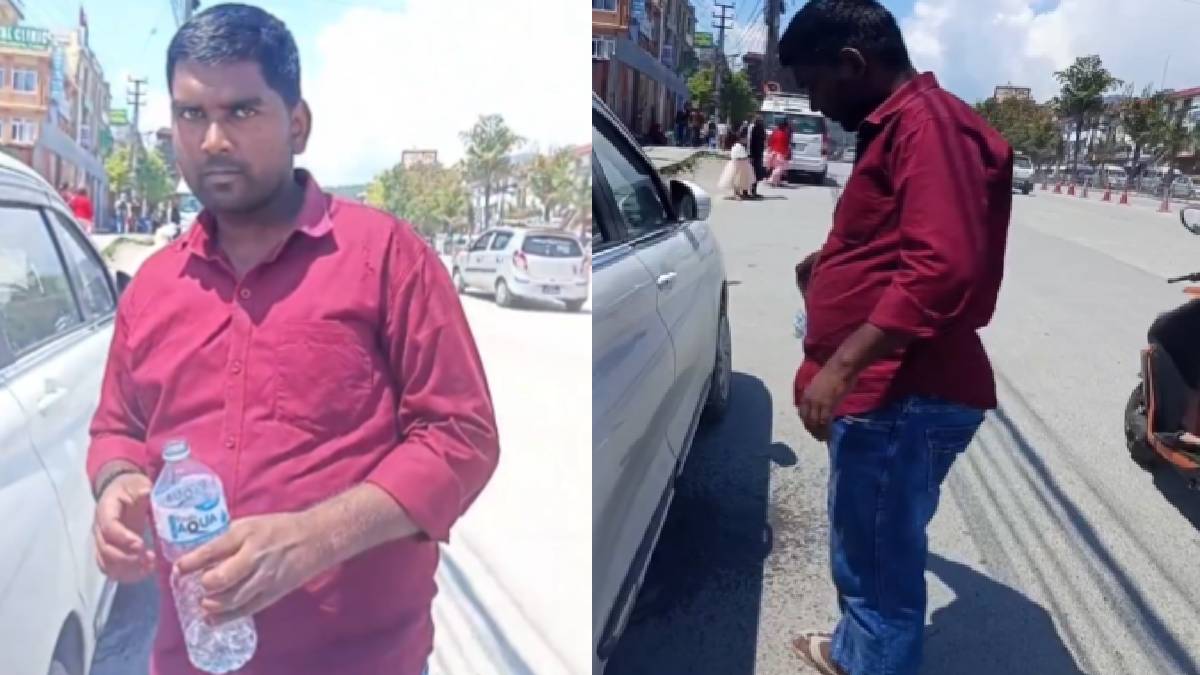
India has long been struggling with gutka and paan spitting, with dirty public places and a bad image abroad. Nepal has recently reminded us of it in a viral video. In a video, a man puts Indian gutka spitters to work cleaning up their own mess, which has triggered an explosion of debate.
Gutka, a chewable tobacco product with areca nut and flavorings, is consumed by millions of people in India. But people with lots of red‑stained residue tend to spit it out, leaving ugly marks on walls, pavements, and heritage monuments. This, often called “pichkari spitting,” is one of the biggest obstacles to cleanliness campaigns and civic pride.
The embarrassment isn’t just on the streets of India itself. Local videos of Indians spitting gutka in foreign countries have gone viral a number of times and brought out mockery and criticism. The Nepal experience is indicative of how much tolerance people have around the world for such behavior is fading away and they have been demanding action taken by the tourists who do not respect the public space.
Gutka is not only a gross cleaning hazard, public health experts say, but also a major health risk. Oral cancer, gum disease, and other long-term health problems are also associated with gutka. Although bans in several states have been imposed, gutka is still bought and sold illegally, and the enforcement remains weak. So gutka is a health crisis and a civic problem.
Many believe that more government action can curb the habit. If spitting were banned and penalties enforced, half of India’s cleanliness problems could be solved overnight. Campaigns like Swachh Bharat Abhiyan have tried to address the issue, but cultural acceptance of gutka chewing has slowed progress.

The Nepal video is a wake‑up call. It shows that the world is watching, and India’s reputation suffers when such habits are carried abroad. For a country that takes pride in heritage, tourism, and global standing, tackling gutka spitting is essential.
Gutka spitting is no longer a nuisance but an issue of public health, civic duty, and national dignity. The embarrassment abroad should bring about stronger action at home. If India can overcome this one habit, it would be a game changer in addressing its cleanliness problem at home and regain the respect of others.