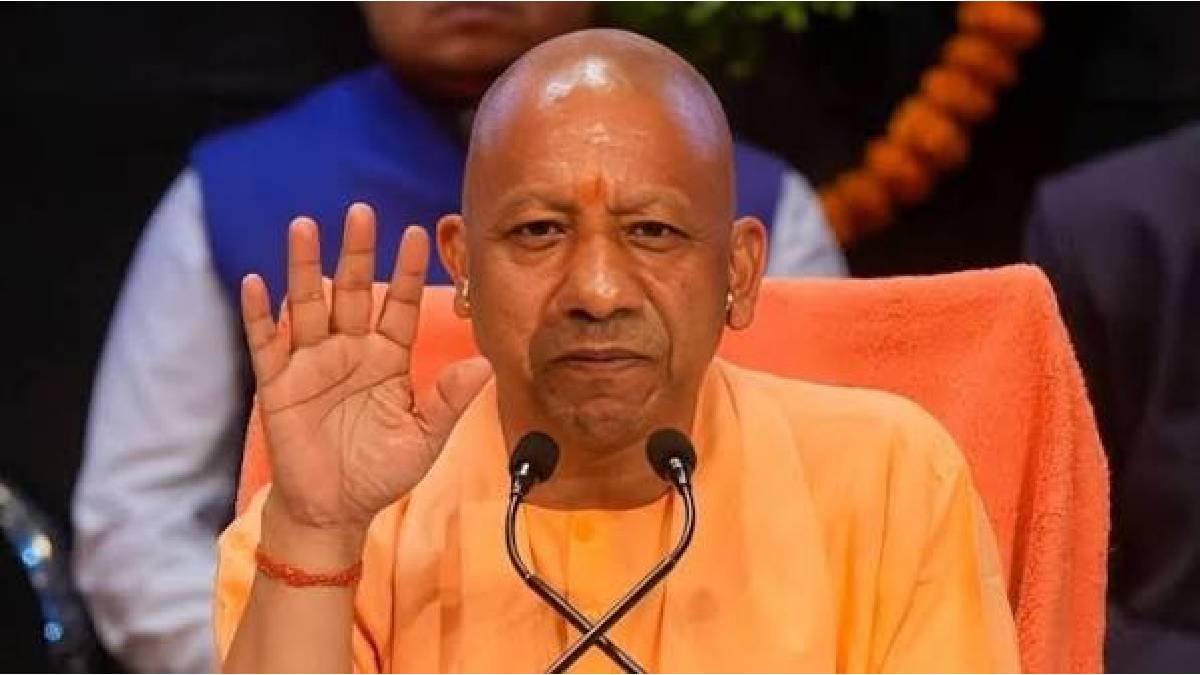
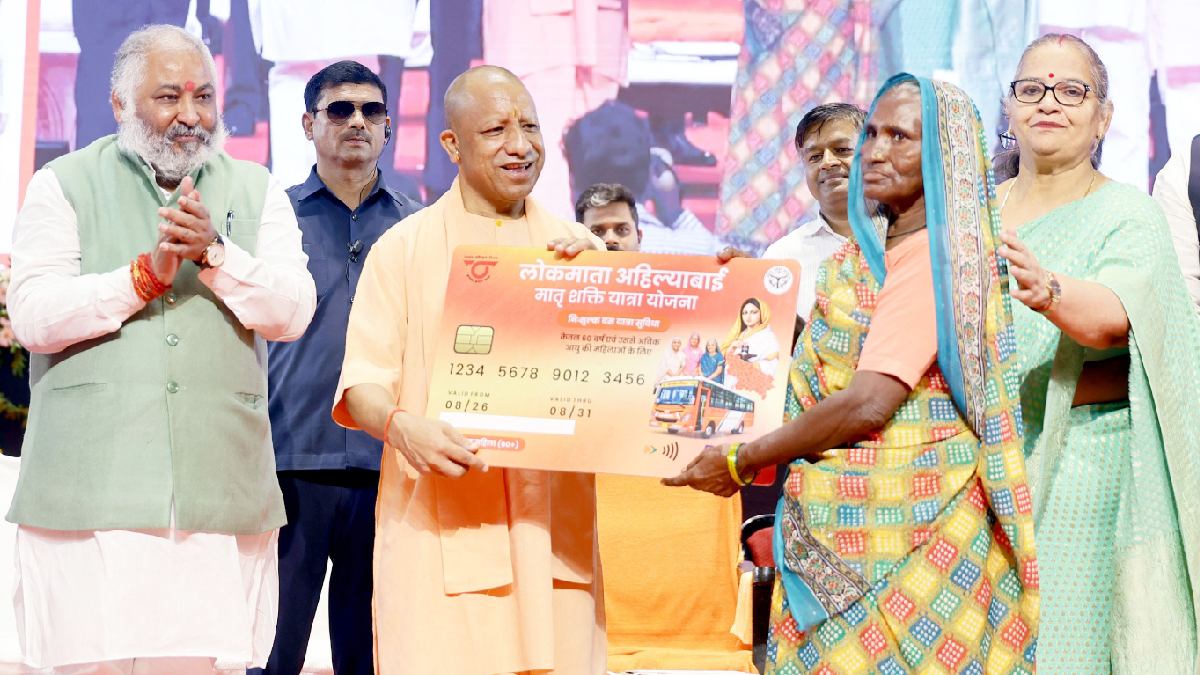
Uttar Pradesh Chief Minister Yogi Adityanath spoke on September 24 on India’s ancient knowledge tradition, cultural heritage and historical invasions at the Gorakhnath Temple in Gorakhpur. The seminar was organized as part of the week-long programme commemorating former mahants of the Gorakhnath temple and was held in the spirit of India’s intellectual and spiritual traditions.
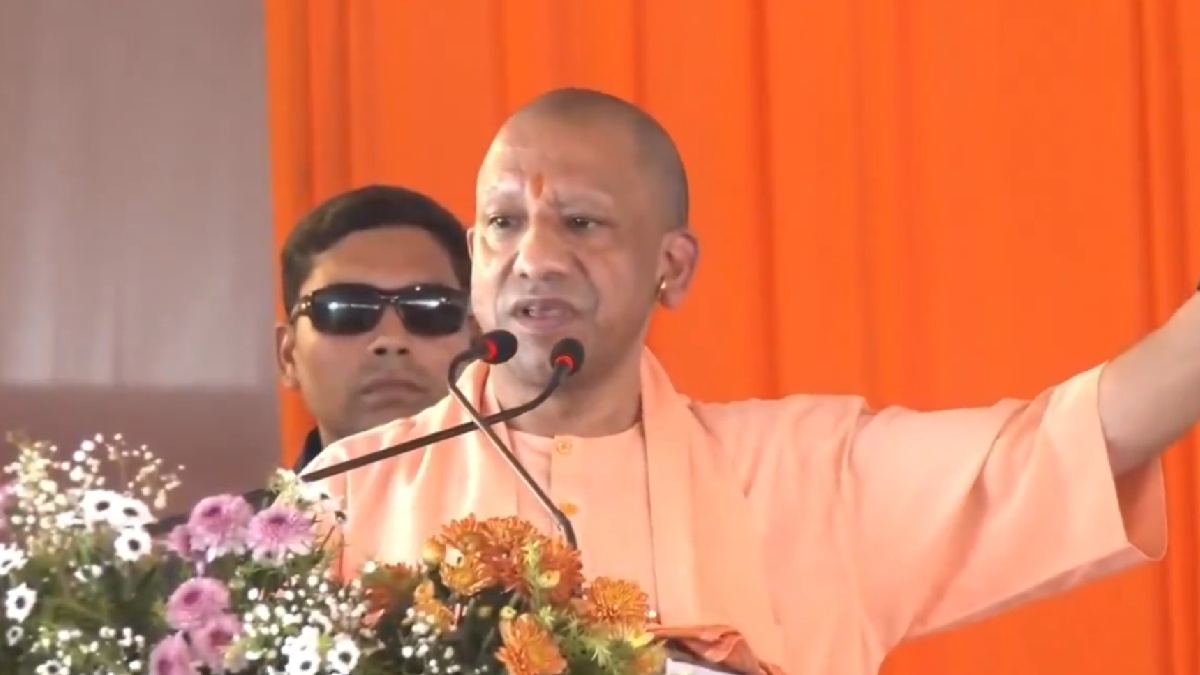
Yogi Adityanath referred to Mahmud Ghaznavi’s attack on the Somnath Temple, and said that invasions of India were not only about wealth. He also claimed that attempts were made to undermine the intellectual heritage and Sanatan traditions of India.
The Somnath episode, the chief minister said, showed this larger purpose. When Ghaznavi attacked the temple, its priests offered gold and jewellery in exchange for protecting the temple and the idol, he said. Yogi Adityanath also said Ghaznavi’s response showed that his aim was not only to gain wealth but to destroy India’s Sanatan tradition. These remarks were reported by PTI and other news media on September 24.
The chief minister linked Somnath with a wider discussion on India’s intellectual history. He said the destruction of temples and centres of learning should be seen as part of an attempt to weaken the country’s knowledge system. India’s historical identity, he said, was closely connected to learning, scholarship and institutions that attracted intellectual activity over centuries.
Yogi Adityanath also drew on the idea of India as a “Vishwaguru” or global teacher, saying the country’s ancient reputation was connected to its knowledge tradition not just its natural resources or material prosperity. He cited Takshashila and Nalanda as examples of India’s long educational past.
In his remarks he mentioned that Takshashila existed roughly 2,600 years ago, while Nalanda flourished around 1,700 to 1,800 years ago. He also mentioned Kashi, Ujjain and Kanchi as historical centers of learning and scholarship. His larger argument was that India had an established intellectual tradition long before the modern era and that this heritage continued even after many years of foreign rule.
He also brought up the fact that the chief minister emphasized the continued use of the traditional Indian calendar as the basis for religious and cultural events. He also compared it to the Gregorian calendar and said that there are still many Indian festivals and auspicious events being celebrated on a traditional date in India. He also said that the Kumbh tradition has always had saints and scholars meeting and sharing ideas and knowledge.
The programme in Gorakhnath Temple on September 24 is part of a seven-day commemoration to be held from September 24 to 30. Brahmaleen Mahant Digvijaynath is celebrated in his 57th death anniversary, and Brahmaleen Mahant Avaidyanath on his 12th death anniversary. There are several religious leaders and scholars to attend.
VIDEO | Gorakhpur: “Ghaznavi sought to destroy India's Sanatan tradition, not just loot wealth,” says UP CM Yogi Adityanath (@myogiadityanath).
— Press Trust of India (@PTI_News) September 24, 2026
“When Mahmud Ghaznavi went to demolish the Somnath temple, the priests told him not to damage the temple or the idol and offered him as… pic.twitter.com/XrRf9xFavI
Yogi Adityanath’s comments have brought attention back to the historical significance of the Somnath Temple and how medieval invasions are read in contemporary public discourse. His account of Ghaznavi’s conversation with the temple priests was a part of his speech, so does not appear as independent historical evidence. The wider history of Mahmud of Ghazni’s campaigns and the Somnath raid has been interpreted differently by historians, so careful sourcing is important to the discussion about specific exchanges attributed to historical figures.
The chief minister, too, used the discussion to push for a greater focus on Indian knowledge traditions. He said the country’s intellectual heritage should be rediscovered, documented with evidence and connected with modern technology so as to reach younger generations.
The remarks have thus brought together several themes - the history of Somnath and medieval invasions, India’s ancient centres of learning, the continuity of traditional cultural practices and the modern effort to preserve and promote India’s intellectual heritage.