A new idea in the scenic Zanskar Valley has put a local natural resource at the centre of a potentially sustainable business model.
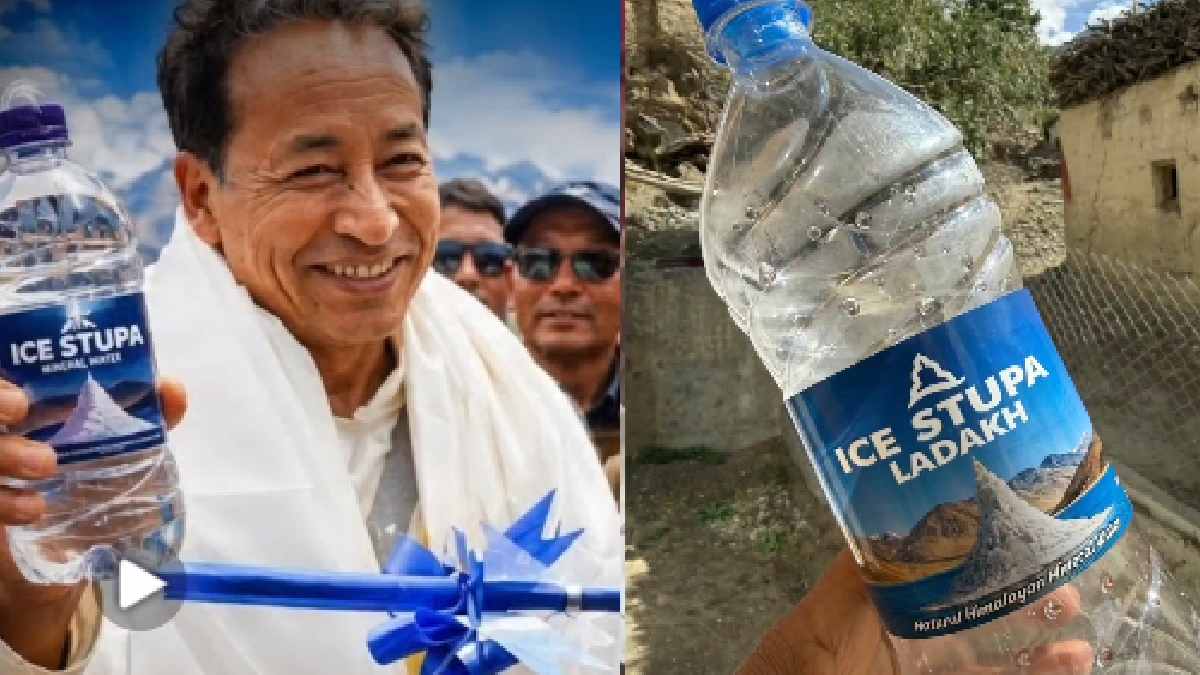
The aim is to make the use of Himalayan spring water from Zanskar more popular as opposed to bottled water brought from Punjab.
At present, the transport of packaged drinking water from distant locations is by road. Trucks carrying water must travel through large stretches of the Himalayan region, and therefore consume fuel and transport emissions.
The proposed approach aims to address this issue and make local spring water available to residents, business owners and tourists.
The concept is being developed with the involvement of a young entrepreneur and focuses on creating a system that could benefit the environment as well as the local economy.
One aspect of the plan is the provision of 20-litre water dispensers at shops and other public-access areas. People could buy new plastic bottles every time they need drinking water, and refill them at designated stations.
The proposal also includes glass bottles for hotels and restaurants. So if that were in place, companies might be able to replace disposable plastic packaging and have a more locally managed drinking-water supply chain.
For a region like Zanskar, where the landscape is environmentally fragile, reducing plastic waste is extremely important.
Discarded bottles can create long-term waste-management problems in remote Himalayan areas. A systematic collection and recycling program could address some of these concerns.
The business model we propose also takes local participation very seriously. The valley will create jobs for the people living in the valley and young people looking to build careers without leaving the valley.
A novel aspect of the plan is that we plan to share profits with the community. Instead of treating the natural resource as a lucrative business opportunity, the model advocates for residents to benefit from the economic impact of this venture.
ICE STUPA HIMALAYAN MINERAL WATER
— Sonam Wangchuk (@Wangchuk66) September 2, 2026
A WIN WIN FOR ECOLOGY, ECONOMY & SOCIETY...
In the beautiful Zangskar valley to help a young entrepreneur replace bottled water (shipped from faraway Punjab on smoke-belching trucks, melting our glaciers)… with pure Himalayan spring water of… pic.twitter.com/qKErMHWQBR
But the success of such an initiative would depend on careful management. Himalayan springs are natural resources and water extraction would have to be done in a responsible manner.
Water quality needs to be preserved, extraction levels monitored and local communities must be provided with access to water.
If these safeguards are put in place, the Zanskar proposal could show how entrepreneurship and environmental responsibility can work together.
Local water, refill stations, reusable glass bottles, recycling and community engagement could also create a circular model with benefits beyond the business itself.
The initiative does however raise a bigger question for Himalayan destinations: can our local economy reduce reliance on goods imported from distant regions, and increase employment and protect the environment
Zanskar’s water venture is an attempt to answer that question by putting local resources, sustainability and community benefits at the heart of its business vision.