The Indian startup ecosystem buzzes with word that Deepinder Goyal, the founder of Zomato, is sitting on advanced negotiations for investment in Kalam Labs, a drone and space‑tech start‑up. This investment is more than likely something close to one million dollars (around 9 crore) and also reflects the increasing acceptance of successful entrepreneurs at deep‑tech ventures. Kalam Labs based in Lucknow, India, is developing near‑space drones that have the potential to fly in the stratosphere, a craft with applications in defense, communication and surveillance.
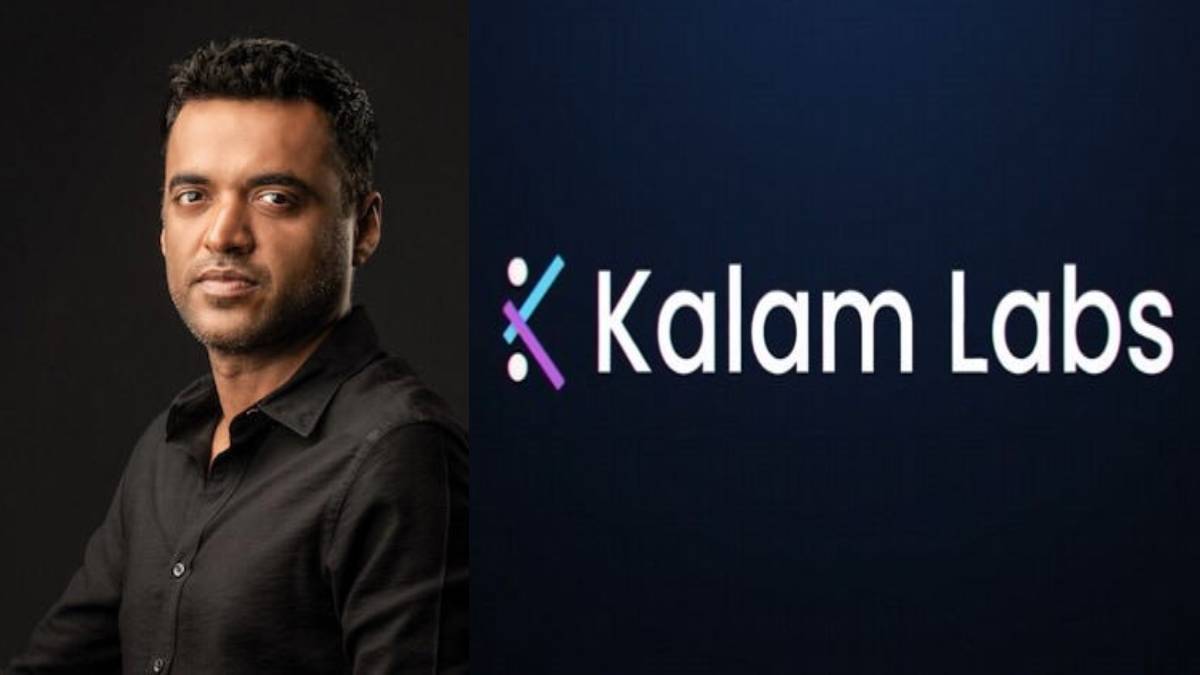
Goyal’s investment is reported to be one piece of a larger $5–7 million funding round. Other investors, including Globaz Technologies, are going to be involved, as well; Kalam Labs already has investment from Lightspeed, while other venture capital firms such as Y Combinator have been a big backer. The startup has been a big splash with its ambitious ambitions: It wants to fly drones that will fly at such great heights that they can replace those with traditional UAVs, making the existing distance between a satellite and a drone.
Deepinder Goyal’s foray in aerospace and drones represents a turn in the trajectory of Indian entrepreneurs. More and more people are not just looking at consumer‑facing startups, they are looking at deep‑tech companies with a heavy research‑and‑development focus. Kalam Labs’ innovation may help drive national security, disaster preparedness and global communication systems.
Effect on the Startup Ecosystem
- Validation: Goyal is part of Kalam Labs making it more credible for potential investors to look at deep‑tech projects.
- Funding Boost: A $1 million investment will enable the company to scale research, recruit talent and further product development.
- Sector Growth: India’s drone community will grow rapidly according to the country’s Government policies that motivate innovation in aerospace and defense.
As promising as the investment is, Kalam Labs faces the difficulties of most deep‑tech startups. Creating stratospheric drones takes a lot of money, long testing cycles, and regulators must sign off. The company will likely need to balance innovation with compliance, particularly as drone technology is intimately connected to defense and security.
“[T]he Kalam labs deal by Deepinder Goyal is a game changer for India’s start‑up ecosystem. He is expressing faith in deep‑tech innovation and its capability to remake industries by financing a drone and space‑tech company. If it were to succeed, Kalam Labs might emerge as a pioneer in stratospheric drone technology, bolstering India’s standing in the global aerospace industry.”