What was meant to be a nondescript late-night meal became a digital “nightmare” for an X user, whose detailed description of a failed Zomato delivery has gone viral since. It sparked another long-standing demand from consumers: the introduction of mandatory One-Time Password (OTP) verification for every food delivery to safeguard against the theft and “fake” completions they might have seen during delivery.
The Incident: "Just Like That, It Was Marked Delivered."
The ordeal started at around midnight when the customer who used the handle @Rushu_Tushu realized that they had to wait for something on order that was out of the ordinary. They spent nearly 30 minutes past the estimate when they went downstairs to look for the delivery partner.
While they were waiting at the gate, the client got the message that switched from hungry to shocked - "Order Delivered."
"No call. No message. Nothing. So there it was, tagged as delivered,” the user appeared on the site. “I made my best to call the delivery partner, but he didn’t pick up."
Zomato should introduce OTP based verification for food deliveries.
— SUPERBRO (@Rushu_Tushu) January 26, 2026
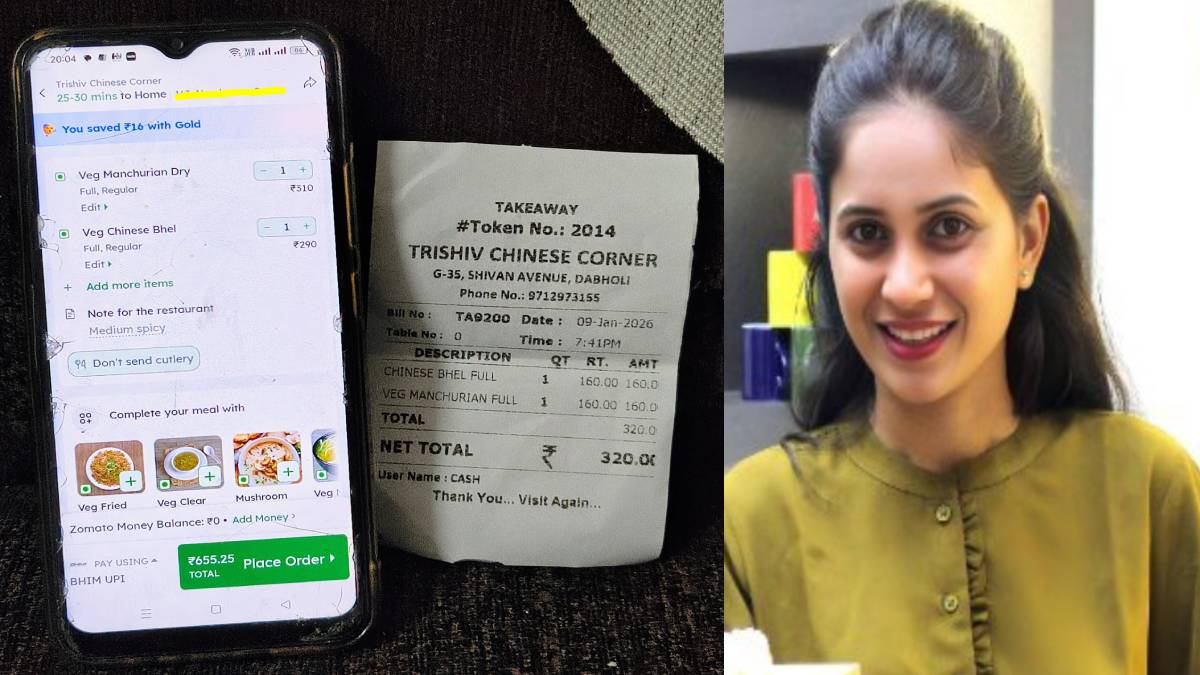
Yesterday, I ordered food from Zomato, and the delivery partner was unusually delayed, almost 30 minutes late, which already felt suspicious.
When I went downstairs to receive my order, I suddenly got a… pic.twitter.com/nnk1kHyoLh

The "Order ID" Loophole
Things escalated when customer service handled a conference call between the user and the delivery agent. The agent said he had given the food to a “boy standing out in the colony” who had filled the correct Order ID.
The point that the customer brought up the flaw in this logic was a no brainer:
- Visibility: Order IDs are often printed out clearly on the receipt that’s stuck to the surface of the outside of the bag.
- Verification: The agent reportedly did not conduct a name check or phone verification.
- Suspicion: The customer accused the agent of possibly “lying” and had preserved the food for himself.
Support Warning: “First and Last Time”
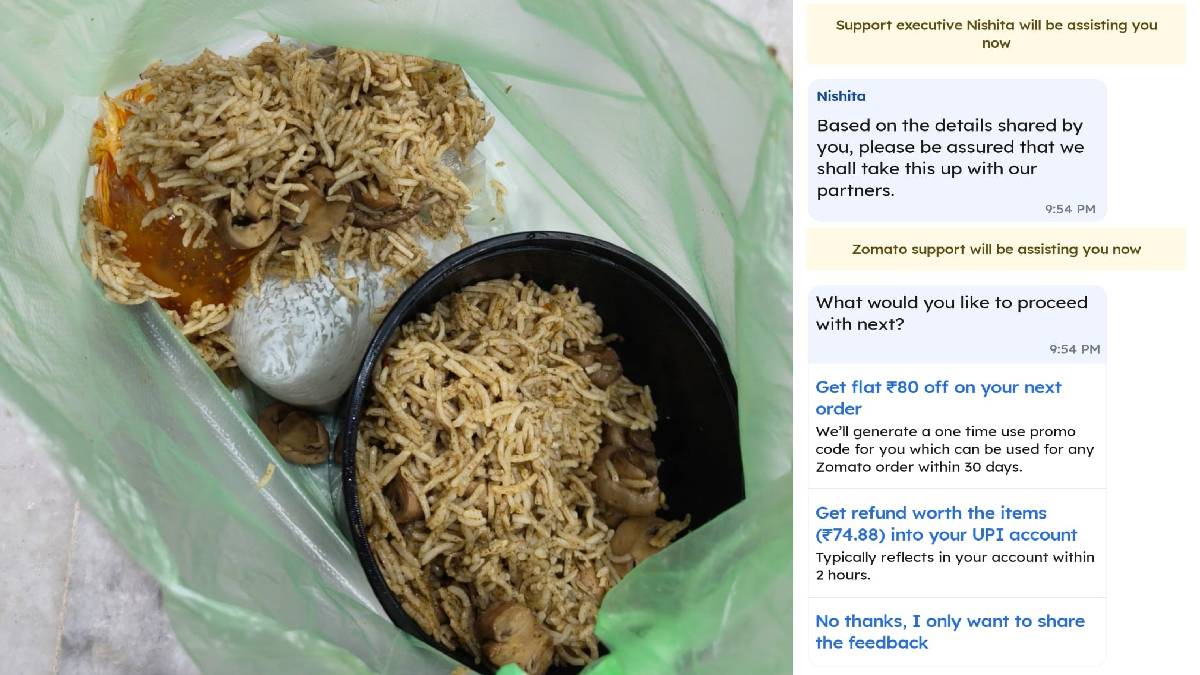
The most polarized part of the story may have been Zomato’s response. Although the company ultimately handled a refund, a support executive reportedly issued a stern warning: “This is the first and last time.”
The customer was very angry to feel like a fraud rather than the victim. "How is this my fault? What if it happens again?" the user said after confirming he deleted the Zomato app thanks to frustration.
The Growing Call for OTPs
The post has received millions of impressions since, as hundreds of users spread similar “delivered but not received” stories. Zomato currently uses OTPs for certain high-value orders or specific accounts, yet there's growing agreement that this should be a universal standard.
Recent problems in food delivery (2025 – 2026):
- The "Accident" Scam: Fraudsters pretending to have had an accident to keep food but getting orders cancelled.
- QR Code Fraud: Scammers impersonating agents who use personal QR codes to demand payment directly.
- Ghost Deliveries: Agents who show that an order was dispatched at the building gate without ever making it to the flat.
Zomato’s official page followed the viral post with standard “we’re looking into it” but, for @Rushu_Tushu and others, the trust in the “gig economy” transparency is still broken.