
A 26-year-old former Maoist cadre, Narsu Boddu alias Naiti, was found dead at a government-run rehabilitation centre in Chhattisgarh’s Bijapur district on Wednesday morning just a couple of days before he was expected to be back to his village.

The death of Boddu has opened a public eye to the problems faced by former Maoist cadres trying to leave insurgency behind and rebuild their lives in the mainstream world. Boddu was a low-ranking cadre and there was no criminal case against him, the police said.
Boddu was a resident of Kamkanar village in Gangaloor of Bijapur district, a region which has long served as a recruitment ground for Maoist units. He had come to the rehabilitation centre in July to seek assistance under the state government’s surrender and rehabilitation programme. Maoists are encouraged to abandon armed activity and return to normal life through the programme, which helps them recover. Boddu was hoping for various benefits in the form of money, a mobile phone, and training in agriculture and fish farming.

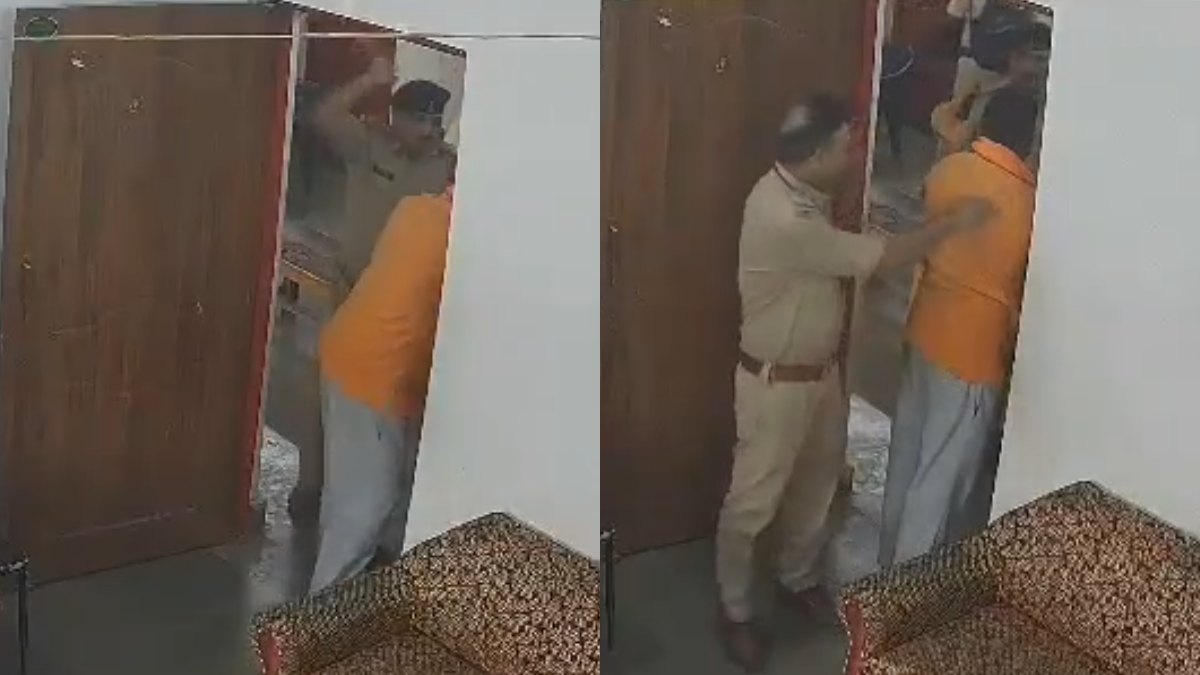
The rehabilitation centre was home to 120 other surrendered Maoist cadres, including Boddu’s aunt who had also left the Maoist movement. The presence of family members at the facility indicates the personal connections that can accompany the surrender process. For people from conflict-affected areas, leaving an armed organisation can mean a lot of emotional stress and life changes in daily life, social life, and economic circumstances. Rehabilitation programmes alleviate this stress and transition by offering structured support, training, and government assistance.
Boddu died by suicide at the facility, said police. His death has not been publicised, but the circumstances and reasons behind his death have not been established. The case will need to be looked at and investigated further, and the evidence will have to be examined to make a decision on what went wrong. His reported expectation of going home in the next few days has raised questions about how he died and the circumstances in the time before he did, but there is currently no evidence linking his expected return to the incident. The facts have to be known before we can understand the case properly.
The incident is also a reminder of the need to rehabilitate Maoist cadres in Chhattisgarh. Security and surrender programmes from the state as part of the movement to combat Left-Wing Extremism are now part of the state’s strategy. For cadres who do surrender, the possibility of financial assistance, vocational training, as well as chances to live a different life can be the only reason for them to surrender. Farming and fish farming, for example, are skills that rural people might learn to help themselves and their families.

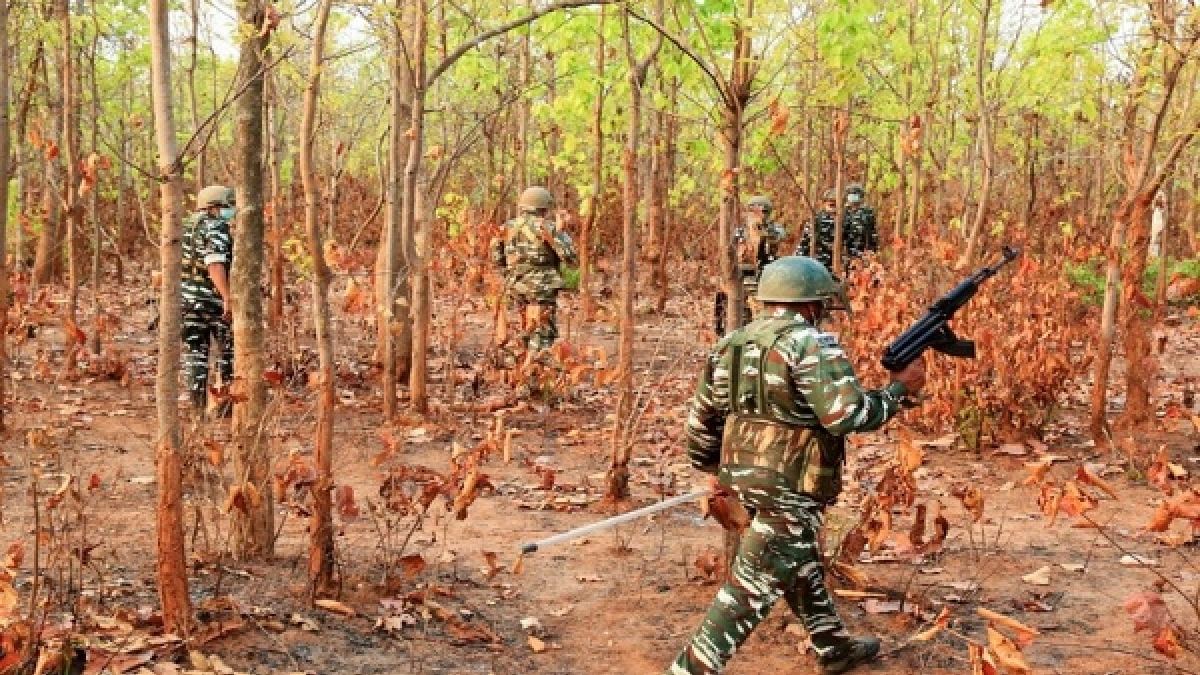
But rehabilitation is not limited to distributing benefits or arranging vocational programmes. Former cadres may need sustained support as they adjust to civilian life, reintegrate with family, and plan for the future. Their needs can vary based on their background and the time spent in the Maoist movement. Support systems to follow up, counselling at the right time, practical training opportunities, and livelihood assistance help people to make the transition.
Boddu’s death is a tragic development for his family and the whole community. It is also a reminder that at a government rehabilitation facility, the investigation is important to find out what went wrong. Authorities must establish the circumstances of the incident before evidence is available.
The investigation into the reasons that led to Boddu’s death and the circumstances around his return home is still ongoing. This case serves as an example that leaving an armed movement and rebuilding a civilian life can be complex. Ensuring that surrendered cadres receive enough help, sustainable livelihood opportunities, and attention to their individual circumstances is an essential part of rehabilitation efforts in Chhattisgarh. For now, the priority is to establish the facts surrounding Boddu’s death and allow the investigation to proceed without unverified conclusions.





Comments
Leave a Comment