Indian Kurash player Yash Kumar Chauhan has been provisionally suspended from the Asian Games 2026 after his competition sample was found to show an Adverse Analytical Finding for multiple substances. The report was made public on Saturday as Metandienone and GW1516 metabolites and Mephentermine and its metabolite were detected in his competition sample.
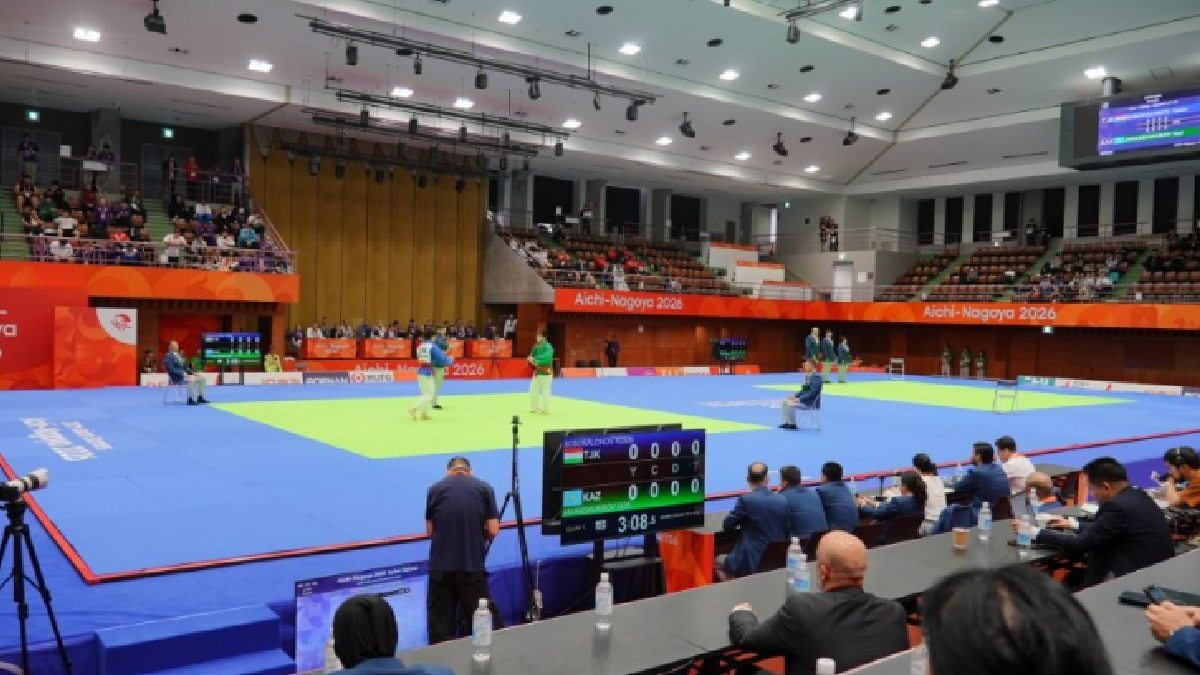
The sample was collected at the Asian Games competition on 27 September and tested by the International Testing Agency (ITA), which is responsible for the testing and results management on behalf of the OCA during the Aichi-Nagoya Asian Games. The substances detected in Chauhan's sample are non-specified prohibited substances under the relevant anti-doping regulations.
Chauhan was notified of the positive analytical finding and provisionally suspended with immediate effect. Under the provisional suspension, he will not compete, train, coach or take part in events in the Asian Games until the matter is resolved in line with the World Anti-Doping Code and OCA Anti-Doping Rules.
The case involves three prohibited substances. Metandienone is an oral anabolic androgenic steroid derived from testosterone and is prohibited in and out of competition under the World Anti-Doping Agency (WADA) system. The OCA defined it as a substance associated with increased muscle mass, strength and endurance.
GW1516, another substance found in the sample, is also prohibited at all times. It is associated with pathways involved in fat metabolism and has been banned under anti-doping regulations because of potential performance-enhancing effects.
The third substance identified was Mephentermine and its metabolite. Such stimulants are prohibited under the WADA Code and are banned in competition. It affects the central nervous system and can affect alertness and fatigue.
The provisional suspension is not a final conclusion of the case. Chauhan has the right to challenge the provisional suspension before the Anti-Doping Division of the Court of Arbitration for Sport. He can also request an analysis of his B-sample as part of the anti-doping process.
Chauhan had competed in the men's 90kg kurash category at the Asian Games. His competition was on September 27, the same day the sample cited in the OCA announcement was collected. He was eliminated in the round of 16 after losing to Tajikistan's Mirmamadov Shakarmamad.
Kurash competitions at the Asian Games were held from 26 September to 29. India got a medal in the sport through Pincky Balhara who won bronze in the women’s 78kg category.
Chauhan’s case adds another anti-doping challenge to India’s hopes in the continental event. But the athlete’s case is subject to the applicable review and appeal process. The outcome will depend on management of results, such as any B-sample analysis taken by the athlete as well as the process before the anti-doping authorities.
The provisional suspension will remain in place until the matter is resolved, the OCA said. The case does not end with the initial positive finding and the athlete retains procedural rights under the anti-doping rules.
As such, the Asian Games have extensive anti-doping testing as part of their international sporting regulations. Athletes can be tested at or outside competition if it is the right course of action based on the rules and testing programme. An adverse analytical finding triggers the formal results management process through which the athlete is notified and given the opportunity to exercise their rights.
Chauhan’s next steps will determine how the case progresses. His right to request the B-sample analysis and challenge the provisional suspension allows the matter to be reviewed under the established anti-doping framework.