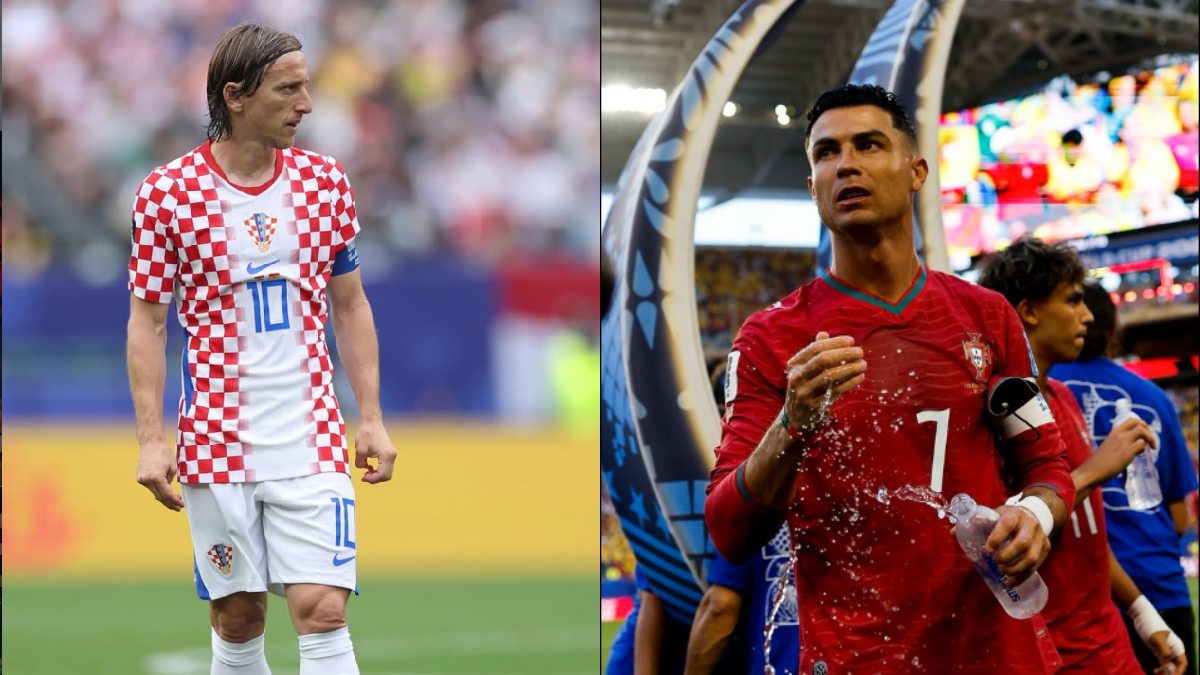
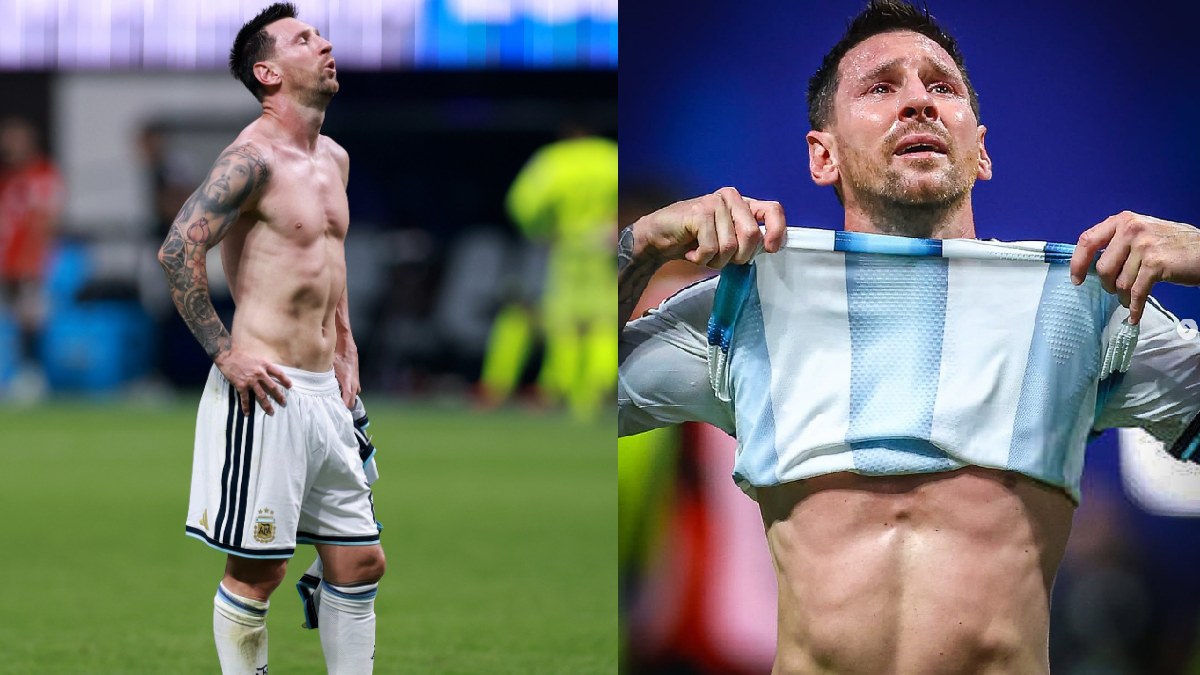
The 2026 FIFA World Cup is played not only in the fields of the United States, Mexico and Canada but also in the digital world. FIFA has announced one of the world’s biggest efforts to tackle online abuse in its biggest-ever campaigns to end it online with artificial intelligence to protect players, coaches, referees and officials from toxic behaviour as millions of fans interact with players and teams on social media.
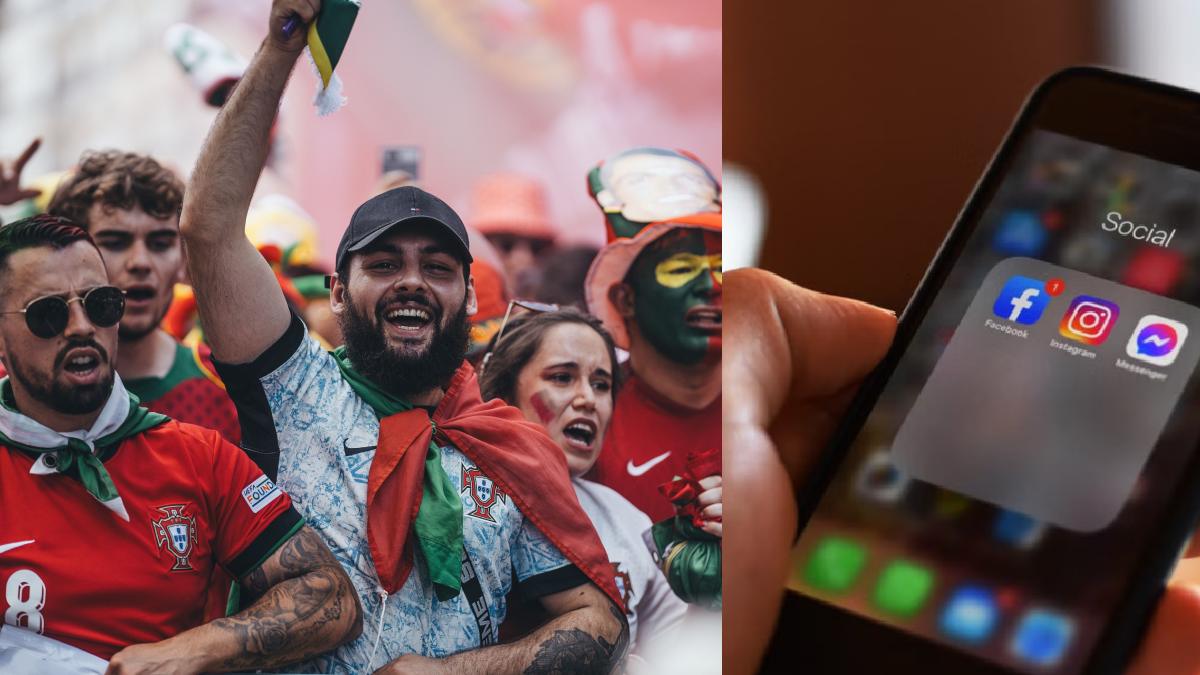
FIFA and the global football players’ union FIFPRO say more than 3.8 million social media posts and comments have been reviewed during the tournament. The results show the immense scale of the problem facing modern sport organisations. Almost 388,000 hateful, abusive or discriminatory comments have been hidden from public view, while thousands of other offensive posts have been deleted in real-time.
The initiative falls under FIFA’s Social Media Protection Service, which ensures players can have technological protection from racism, hate speech, discrimination, harassment and violent threats. And the service monitors social media accounts being tagged in the course of matches and big tournaments.
AI Takes Center Stage in Player Protection
Social media has changed athletes’ relationship with fans in a huge way and also brought them face-to-face interaction on a whole new level. But that also has brought forward a much greater level of online abuse for players.
Footballers can be targeted for shocking performances, controversial decisions and poor results; racist attacks, xenophobic insults, personal attacks and even death threats have become a reality for many athletes.
To curb this problem, FIFA’s AI-powered moderation system automatically identifies harmful content and hides it before players or their fans can see it. That prevents abusive messages from being emotionally damaging and allows legitimate fan engagement to continue.
They said the technology will be able to detect multiple types of harmful language across languages and regions and so will be especially effective in a world tournament with teams and fans from all over the world.
Serious Cases Can Lead to Real-World Action
It is not only to hide offensive comments.
FIFA has confirmed that the most serious cases of abuse—violent threats, severe harassment, and discriminatory attacks—are reported directly to social media companies. In some cases, the evidence is also shared with relevant authorities and criminal investigations and prosecutions are possible.
Several social media users have faced account suspensions and other enforcement measures as a result of the monitoring.
The message from FIFA is very obvious: online abuse should carry consequences just as unacceptable behavior inside a stadium does.
Growing Calls for Accountability
Players themselves have more and more demanded action on online hate.
National teams like Canada’s men’s football team have publicly urged governments and technology companies to put stricter accountability measures on individuals who abuse in the online world.
These athletes would like to see social media sites more in line with moderation, but they say when it comes to the problem of repeated offenders, they can’t control themselves and officials in the end.
Promoting Inclusion Beyond Football
FIFA’s efforts are also connected to much broader campaigns to promote diversity and inclusion.
The governing body has been working with the United Nations on initiatives to combat racism, xenophobia and discrimination. These include awareness campaigns and support for content creators and individuals who have been targeted by online hate.
As the World Cup is in progress, FIFA’s AI-driven approach is becoming a major test case for the future of online moderation in sports. Hundreds of thousands of abusive comments are already being captured in the tournament and technology is a much greater threat to the safety and welfare of athletes and fans.