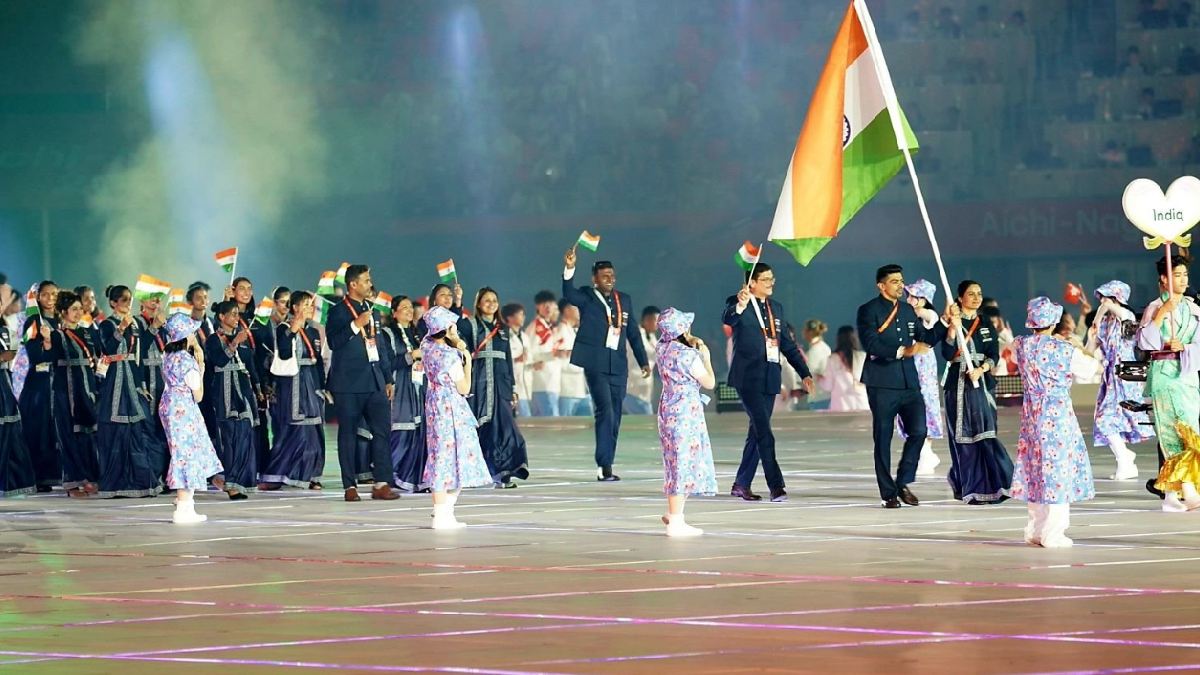
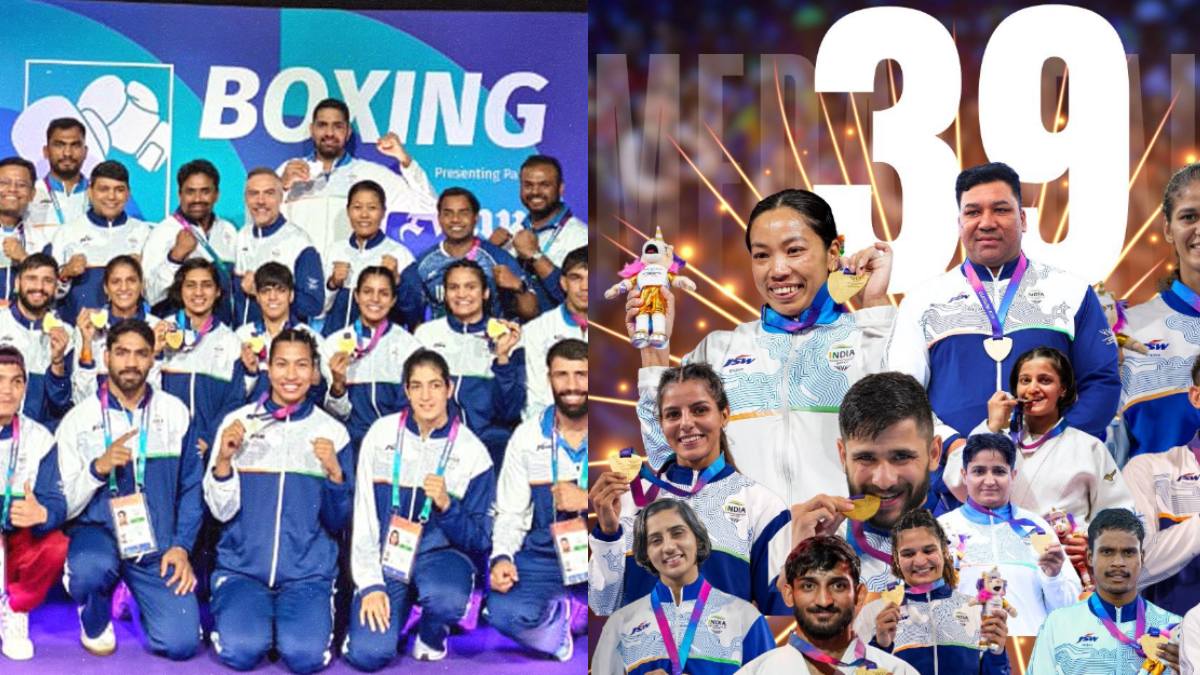
If we simply look at the final medal score of the Commonwealth Games in Glasgow, it would look like a pretty bad loss for India. With 39 medals won (13 gold, 17 silver and nine bronze) India achieved the country's lowest number of medals since the 1998 Kuala Lumpur Games that made up the country’s lowest number of medals in the last 24 years. Despite the fact that 69 medals made up the total in the 2002 Manchester Games, this is the lowest medal count in 24 years. But the actual medal count for this campaign is not so much the only one. When viewed in terms of the limited and fast event programme, India's fourth place rank was one of the best performances and the least expensive in history in the multi-sport.
The reason behind the 39-medal number is the huge structural transformation that took place in the Glasgow Games. Organizers had to compress the event to only a ten-sport schedule where 19 disciplines were played over the last time in Birmingham in 2014. And because of the change in structure, some core disciplines that have long been one of India’s main medal producers in the Commonwealth Games were not played at all. That included shooting, which has been India’s greatest medal winner in terms of medals in the Commonwealth Games, with 135 medals, wrestling with 114, badminton with 31, table tennis with 28 and field hockey with six, the traditional powerhouses. At the 2022 Birmingham Games only these five sports had contributed 30 medals in India's 61 total medals with 13 golds.
The loss of more than half of India’s gold medal pipeline before competition even started was a new challenge for the Indian team. Instead, the athletes adapted by reaching for all of the available disciplines. This tactical flexibility was successful, as India landed fourth place on the medal table in the end (behind Australia, England and Canada), and just behind host nation Scotland in tie-breakers in terms of medals won by each team, from 39 medals in total. For the 10 sports in total, India produced 3.90 medals per sport, which is one of the best efficiency rates in the history of the tournament.
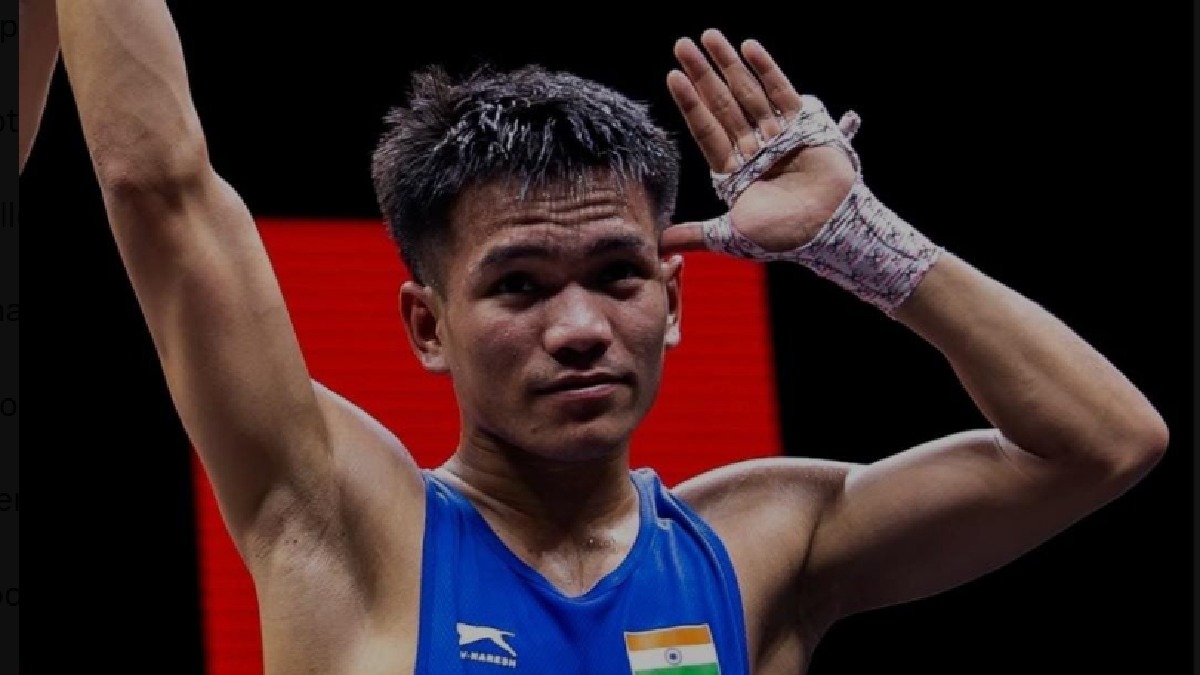
Individuals were redefining expectations with a record-breaking performance in all disciplines. The boxing team won 10 medals from a 14-player field and won seven gold and three silver medals to win the most dominant single-nation boxing team in the history of Commonwealth Games. Women boxers Preeti Pawar, Jaismine Lamboria, Sakshi Chaudhary, Priya Ghanghas and Arundhati Choudhary won five gold medals, while Sachin Siwach and Ankush Panghal got top podium finishes for men. In the ring, judokas broke the barriers as Harsh Singh and Asmita Dey became India's first Commonwealth Games gold medalists in the sport, with silver from Yamini Mourya and bronze from Unnati Sharma.
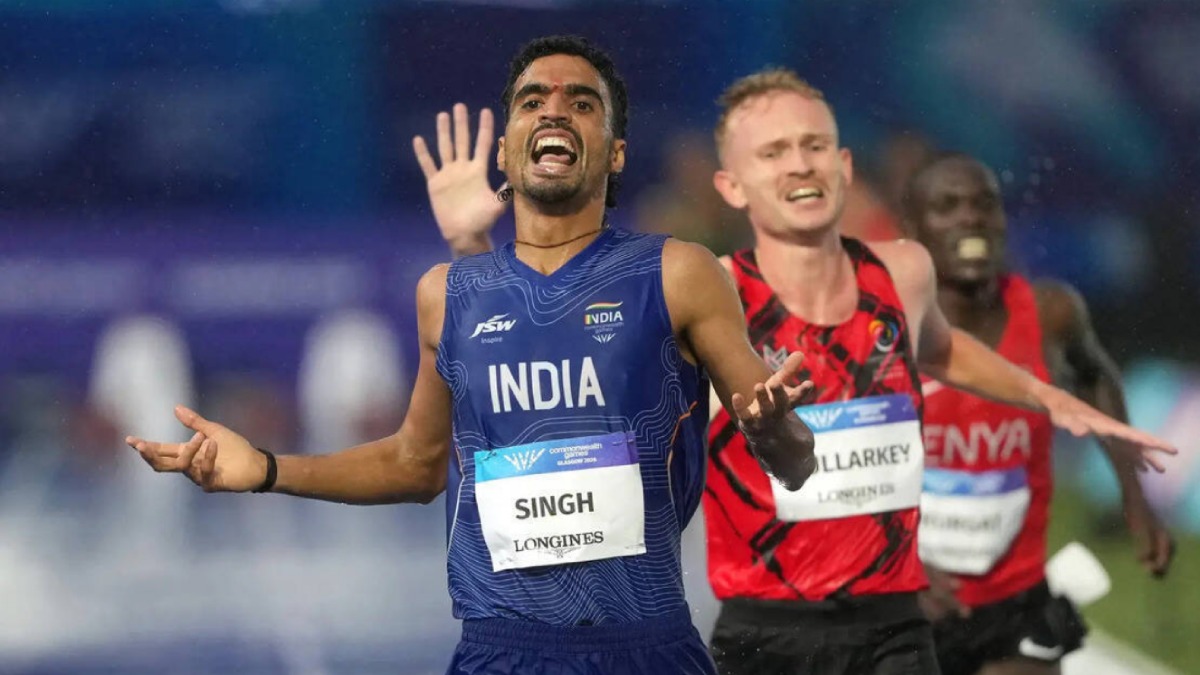
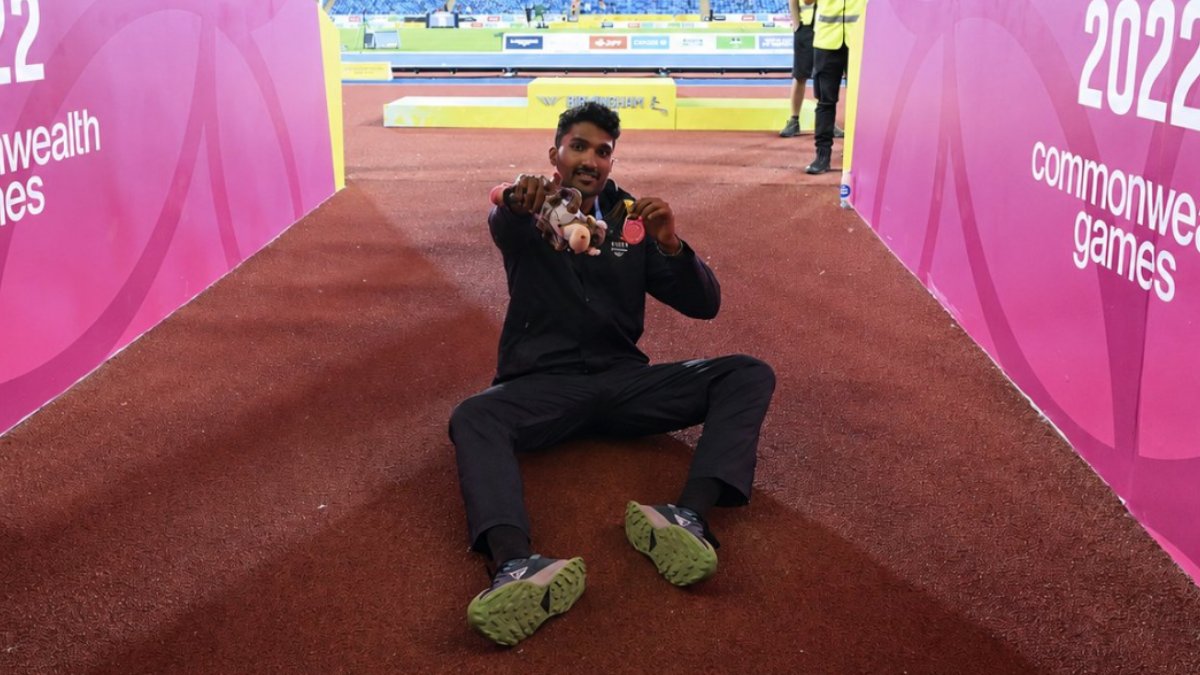
Track, field and para-athletics also had a huge renaissance, with athletics and para-athletics winning 16 medals in total. The star javelin thrower Neeraj Chopra returned to the podium and grabbed a silver medal, while Gulveer Singh became the first Indian track athlete to win two medals at a single edition with a silver in the 10,000m and bronze in the 5,000m. Tejaswin Shankar achieved a historic bronze in the decathlon. At the same time, para-athletes also outperformed India's entire Commonwealth Games para-sports medals in one game, with seven medals won by Sharmila Dhankar, Dilip Mahadu Gavit and Soman Rana. Weightlifting also came to the fore and Olympic medallist Mirabai Chanu won her third consecutive gold medal in the women's 48kg category and a larger team win as well.
And although 39 medals are the lowest number since 1998, context shows a story of grit and adaptability. Without its strongest traditional disciplines, India broke out of the box, did well in secondary sports and laid a solid foundation for a multi-sporting renaissance to follow.