
Kapil Dev has given the young people in India a message on the state of affairs at a time when protests for the Special Intensive Revision (SIR) of electoral rolls and calls for Chief Election Commissioner Gyanesh Kumar’s resignation are going on in the country.
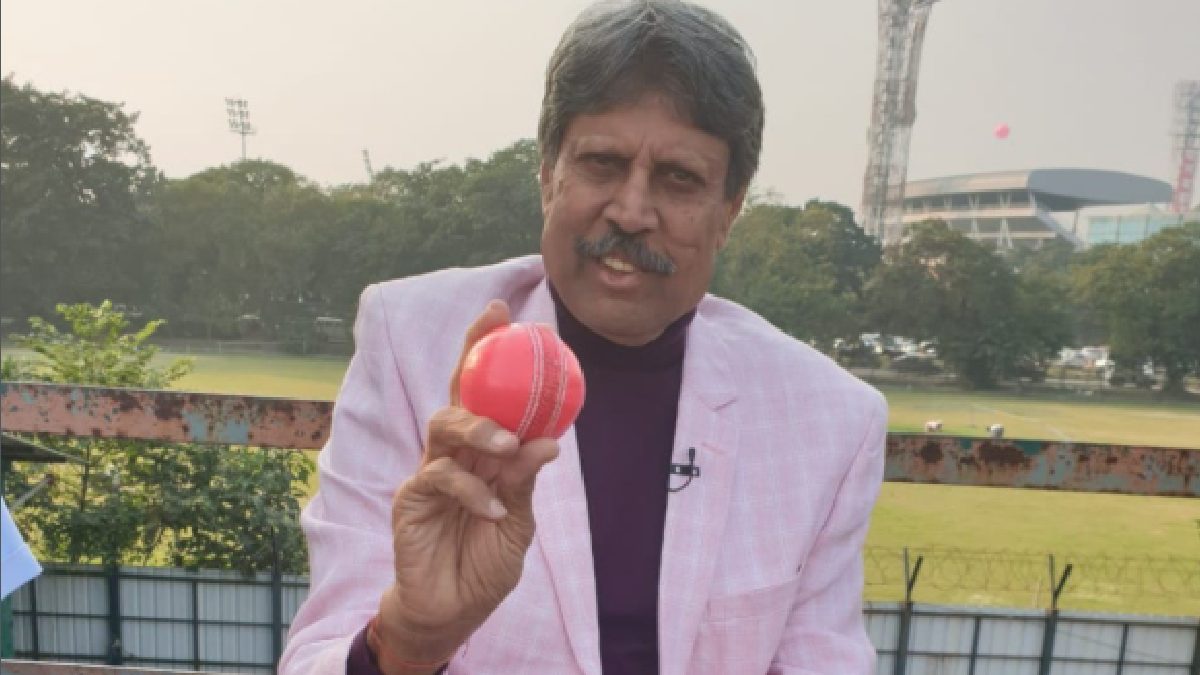
The 1983 World Cup winning captain has advised young people to listen to other people and be responsible and consider different views before making decisions. Demonstrations led by youth activists have raised questions about the electoral roll revision process and Delhi’s handling of protests.
Kapil said while answering a Times Now question that youngsters will shape India's future but need to be guided and be left open for growth. He also warned young people not to be misled and that responsibility must be shown in what is said.
"They (youngsters) should learn to listen and be more responsible. They are the future of the country and we cannot let them be misguided. They are not always right and they need to consider the fact that we have experience," Kapil said.
The former all-rounder, who is 67, also stressed protecting the country’s future. “Our country is beautiful, and we cannot let it go wrong.”
Kapil Dev's Message Comes Amid Nationwide Youth Protests
Kapil's remarks come amid demonstrations by the Cockroach Janta Party (CJP), a youth-led outfit founded by 31-year-old Abhijeet Dipke. The group has been calling for the removal of Chief Election Commissioner Gyanesh Kumar over allegations concerning the Special Intensive Revision of electoral rolls.
The protests have put the electoral roll revision process in public view and the CJP has raised questions regarding decisions made in relation to the electoral roll revision process. It is calling for accountability and for Kumar’s resignation; it is the focus of its campaign.
The controversy has also led to reported disagreements within the Election Commission. The report cited in connection with the protests states that Election Commissioners Sukhbir Singh Sandhu and Vivek Joshi objected to the decisions of Kumar on 14 occasions over a period of 10 months. The objections concerned the SIR process and changes to Form 6, which is used by eligible citizens to apply for inclusion in electoral rolls.
These allegations have been part of the wider debate in the revision exercise. It is not a final legal decision but the claims and objections of the protesters have been put forward in public and legal context.
CJP Announces Tiranga March on October 16
As part of the campaign, the Cockroach Janta Party announced a nationwide Tiranga march on October 16 to press for Chief Election Commissioner’s resignation. The march will follow an earlier attempt by the organisation to stage a demonstration in Delhi.
On October 6, the protesters were stopped by Delhi Police and central forces from marching towards Jantar Mantar, where the CJP had called for a demonstration. The incident was subsequently a source of controversy and accusations of excessive police action and arrests of demonstrators were raised.
The events also led to questions about access to designated protest venues and the manner in which demonstrations were handled. For the CJP, the Chief Election Commissioner case is still a key issue in the campaign and the authorities’ handling of the gatherings has emerged as another issue in the dispute.
On October 10, the INDIA bloc, an opposition political group, also held a protest march. This suggests that concerns about the SIR exercise and the conduct of demonstrations have extended beyond the youth-led campaign.
Jantar Mantar Incident Reaches the Supreme Court
The controversy erupted after CJP leaders were reported to have entered Jantar Mantar in protest after it was denotified as a protest site. After the incident, Saurav Das and Ashutosh Ranka were remanded to five days of judicial custody, as per the report.
The matter has also reached the Supreme Court. The Supreme Court issued formal notices to the Union government and Delhi Police after a number of petitions concerning excessive police force and mass detentions of protesters and journalists during the October 6 demonstration in the national capital.
The petitions have put law enforcement’s actions at the protest under judicial review. The issuance of notices means the authorities have been asked to respond to the concerns raised; it does not in itself prove that the allegations have been proven.
The legal proceedings have added another dimension to the ongoing dispute, which involves demands for electoral accountability, the right to protest and questions about the treatment of demonstrators and members of the media.
Kapil Dev's Remarks Highlight Responsibility and Experience
Consequently, Kapil Dev’s remarks have been on the responsibilities of youth participation in public life. He has also stressed that young people are going to be the country’s future but said he wants them to listen to, evaluate everything and think about what others have to say before they make decisions.
His comments also highlight a larger tension in public debate: young people should be able to talk to and be part of democratic processes and their actions should be responsible and informed. The protests continue to bring into question the SIR exercise and its handling of demonstrations; this has given rise to those questions.
Kapil's message is a call to caution, not a detailed description of the allegations against the Election Commission or the police. The issues of electoral roll revision, Gyanesh Kumar's resignation and petitions before the Supreme Court are still in public and legal debate.
The issue of peaceful protest, accountability and responsibility in civic participation is not going away as we progress. Kapil’s appeal to young people is to be involved in this country’s future and not to make a decision based on misinformation and incomplete knowledge.




Comments
Leave a Comment