Ashwin has also raised questions about India’s injury management system, demanding more responsibility as rehabilitation timelines and communication with the BCCI Centre of Excellence (CoE) in Bengaluru are questioned. The former India spinner also said players and support staff should have a greater responsibility for injury prevention and management.
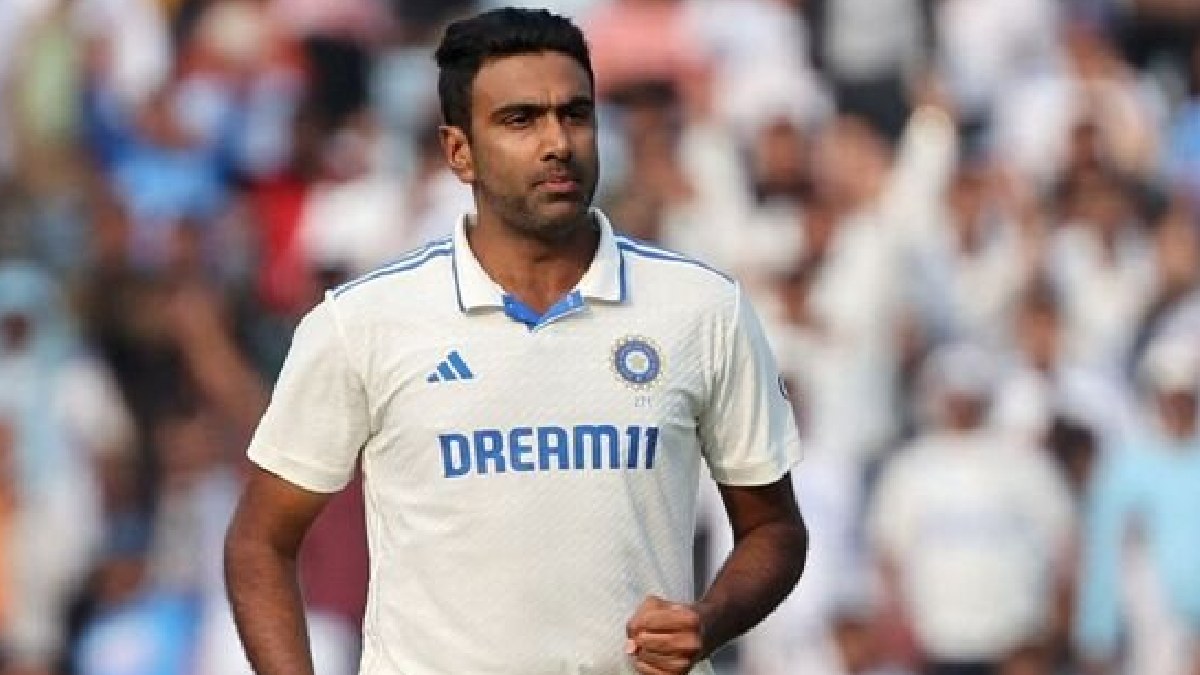
Ashwin has made his views and his thoughts come at a time where injuries and long rehabilitation are a recurrent theme in Indian cricket. From his YouTube channel, he said there is a need for a rethink on how India operates the players in the three international formats. He said the use of separate squads for Tests, ODIs and T20Is might work to manage workloads as only a few players are moved between formats.
“I think the time has come to form separate teams for Tests, ODIs and T20Is,” Ashwin said when it comes to India's workload and injury problems. There would still be “cross-pollination” between teams, he said, but accountability should be in charge of player injuries.
One of those examples Ashwin referred to was India spinner Varun Chakravarthy. Chakravarthy spent a long period of time at the National Cricket Academy (BCCI Centre of Excellence) for his rehabilitation, Ashwin said. There was discussion about getting permission for Chakravarthy to play in the Tamil Nadu Premier League (TNPL), but Chakravarthy was not released at the time, he said.
Ashwin questioned the length of Chakravarthy’s rehabilitation period, saying he understood that the spinner was expected to return much earlier but eventually ended up spending several months at the facility. The example was to underscore his broader concerns about how injury timelines are set and communicated.
The former India cricketer’s comments also come against the backdrop of reports about communication between different departments involved in India’s injury-management process. Questions have been raised about coordination between the CoE’s medical and sports science teams and the national selection committee.
Communication is important when selection managers are deciding on squads in multiple formats. Availability, rehabilitation, and workload can influence selection decisions, team combinations, and long-term plans. Any uncertainty in recovery timelines can cause problems for the player and the national team.
Ashwin also made it clear that injury prevention cannot be done by medical teams or support staff. Players also have to take responsibility for their training methods, physical workloads, and individual needs, he said.
Ashwin, reflecting on his own career, recalled a side strain in 2015. He tied it to Olympic lifting and subsequently stopped snatches. His experience, he said, illustrated why players need to examine whether their training is appropriate for their bodies and playing requirements.
The comments list the various factors involved in managing elite cricketers. Rehabilitation, sports science, strength and conditioning, workload management, player training, and communication between selectors all play a part in the way injuries are handled.
Ashwin’s call for separate teams across formats also reflects the increasingly demanding nature of international cricket. Test, ODI, and T20I players work in different formats and have very different physical and scheduling needs, and domestic leagues and franchise competitions add another layer of workload management.
The BCCI Centre of Excellence has a central role in supporting Indian players through rehabilitation and fitness programmes. With the increasing international games and professional commitments, the injury management system is still very much in the minds of India’s cricket team management.
So too, Ashwin’s comments have brought some debate into the Indian cricket field about player injuries. His comments also go beyond the CoE but also the players, medical team, sports scientists, trainers, and selectors’ responsibilities. The debate is also likely to persist, and India will need to work on player availability, workload, and long-term fitness in all three formats.