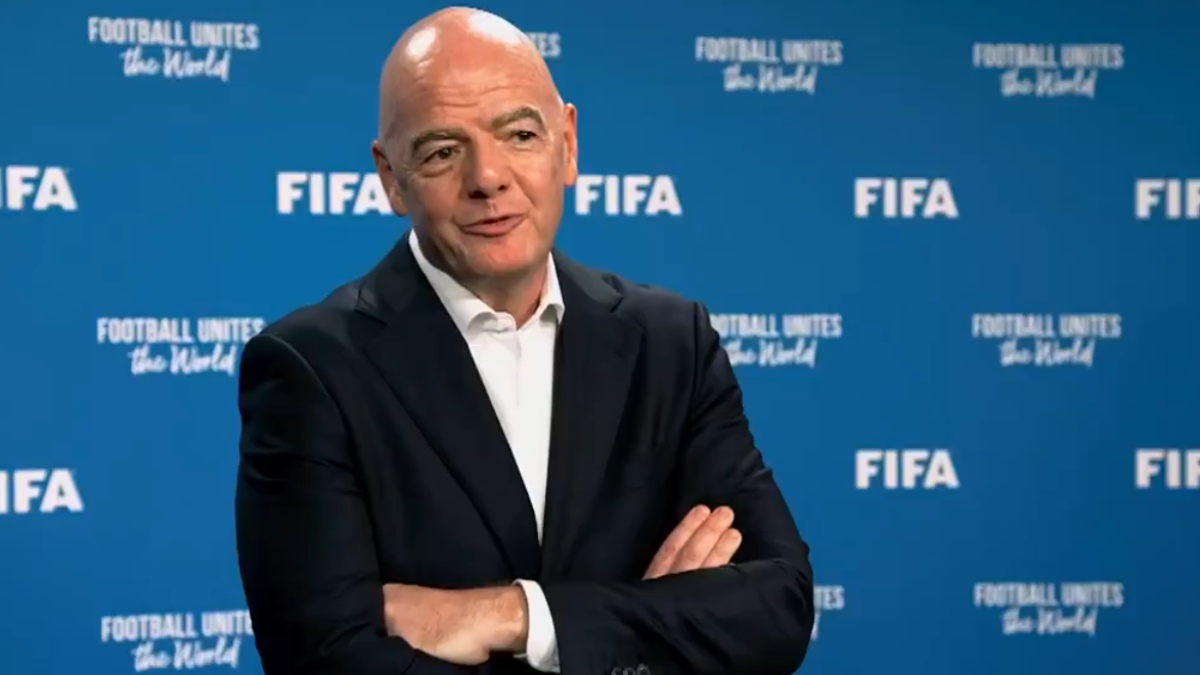
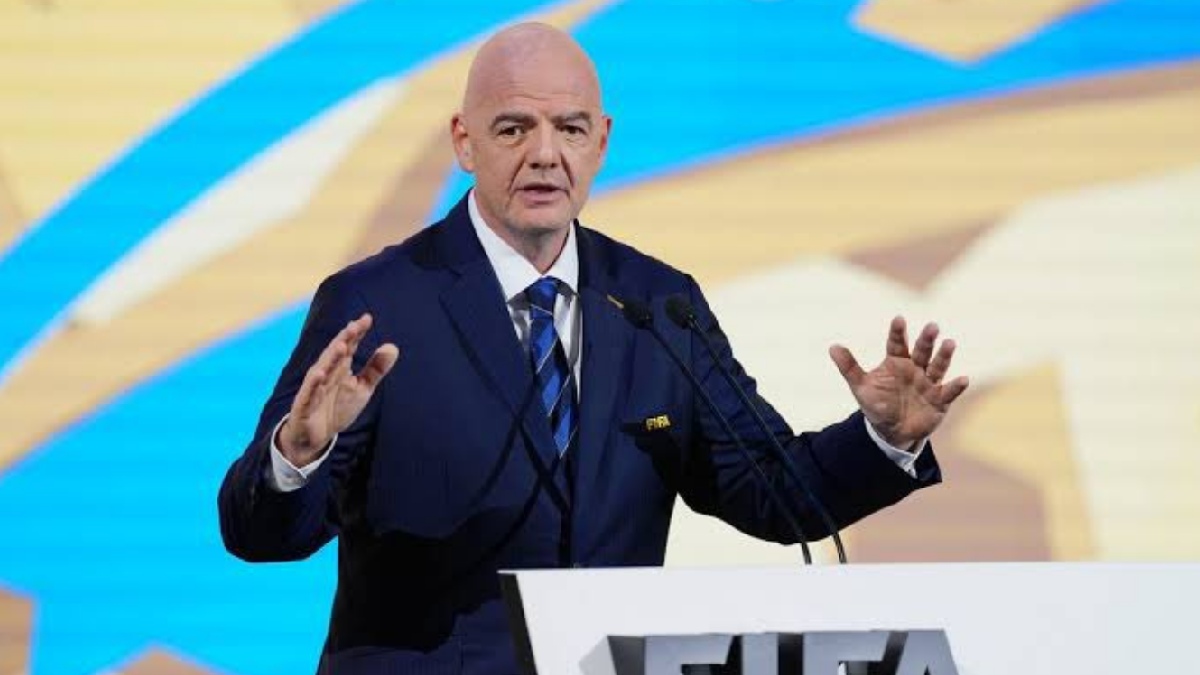
FIFA's leadership of international football is in crisis right now, as FIFA President Gianni Infantino has taken steps to restructure the commercial basis of world football with FIFA Forward Enterprise (FFE), which will take over the commercial, broadcasting and event management of the world's top tournaments including the men's and women's World Cups, with a firm that will be able to raise up to $4.2 billion from FIFA to sell a minority non-controlling equity stake to foreign private investors in a massive first deal of $20 billion. The group of investors would be supported by the financial giant J.P. Morgan, and the proposal was drawn up by Thrive Eternal, Joshua Kushner’s fund.
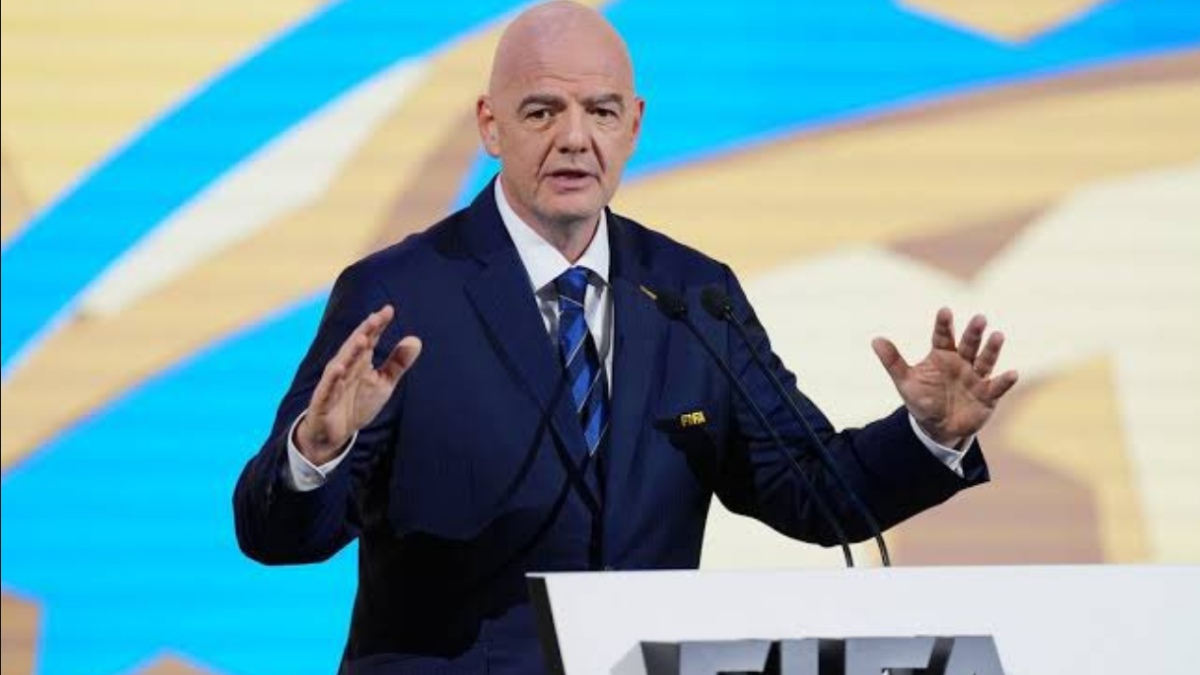
In order to win the support of its 211 national member associations, FIFA has offered financial incentives and to expand development funding by a large margin, which would give individual federations an extra $20 million funding. FIFA leadership has defended the project as a necessary step towards democratizing wealth distribution across the sport and making sure that grassroots programs get a share of the huge commercial revenue generated by big events. FIFA also insists that it will remain in complete control over the rules of sport, the international match calendar and tournament governance so private entities will have no control over the actual game.
But the announcement has triggered a swift and furious backlash across European football. UEFA, the Union of European Football Associations (UEFA) have mobilised 55 member countries in an emergency virtual summit to work together in a united resistance strategy. UEFA said in a blistering official statement: “We see the project as a grave breach of sporting ethics; football is a public trust and the soul and administration of football is not a kind of commodity for money, it is a public trust.” Saying that the global game doesn’t belong to FIFA to make money from private equity, European leaders have been warning that the scheme does not have sufficient financial transparency and can be subject to conflicts of interest.
As European federations are working to see how to respond, some of the options in the emergency consultations could be to challenge the proposal in a formal way and even to boycott the World Cup. This all-out war between Infantino and European football power has been the latest chapter in a long history of ideological warfare between the two. It is reminiscent of previous fights like the fierce resistance to a $20+ billion tournament overhaul that SoftBank and Middle Eastern capital are trying to push back on in 2018 and the successful fight in 2021 - when FIFA had to abandon a biennial World Cup plan. With European clubs in a position to challenge Zurich over the accelerating commercialization of the game, the power struggle between them will change the whole course of international football.