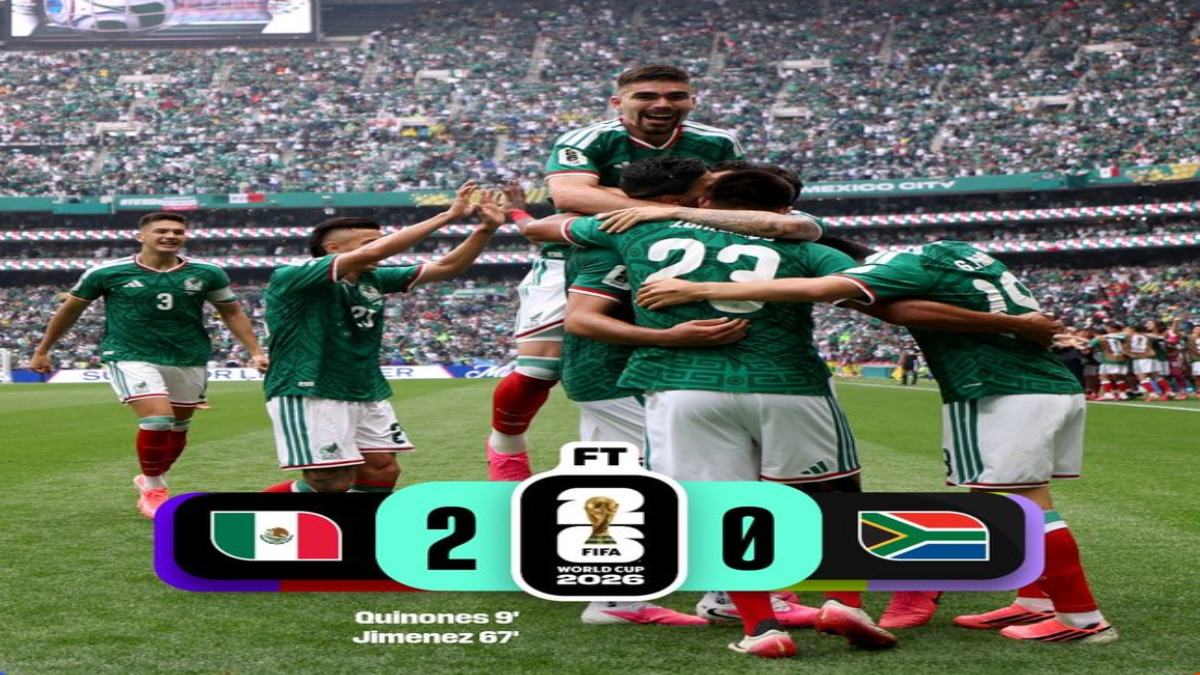
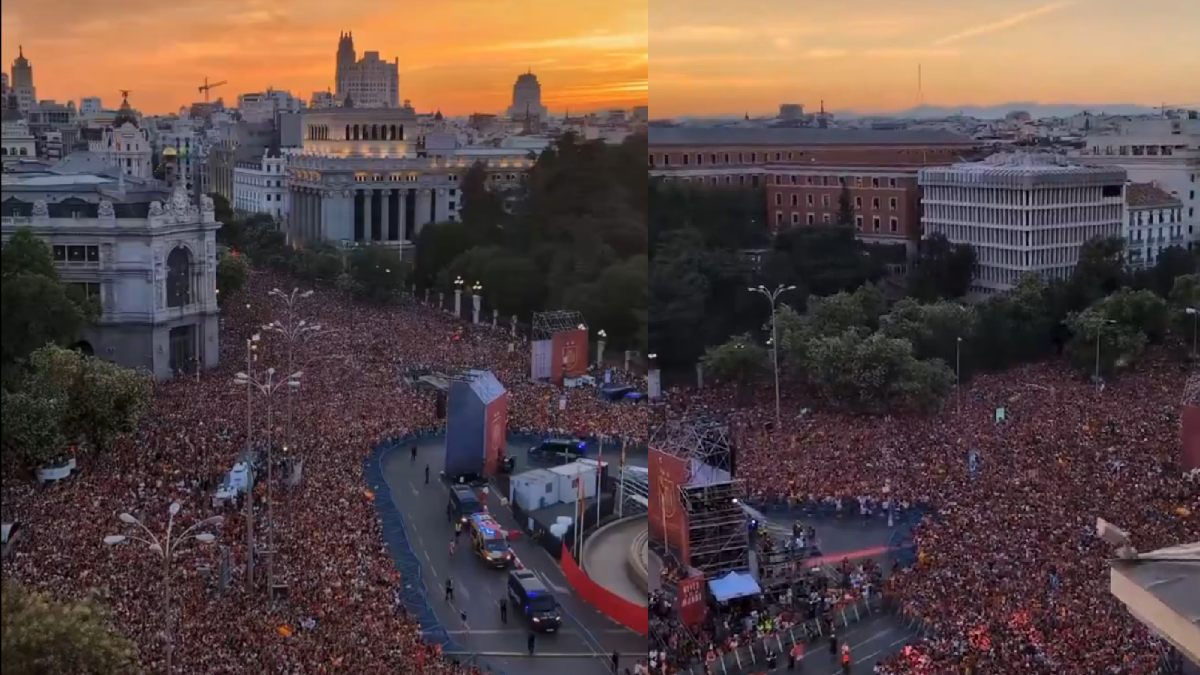
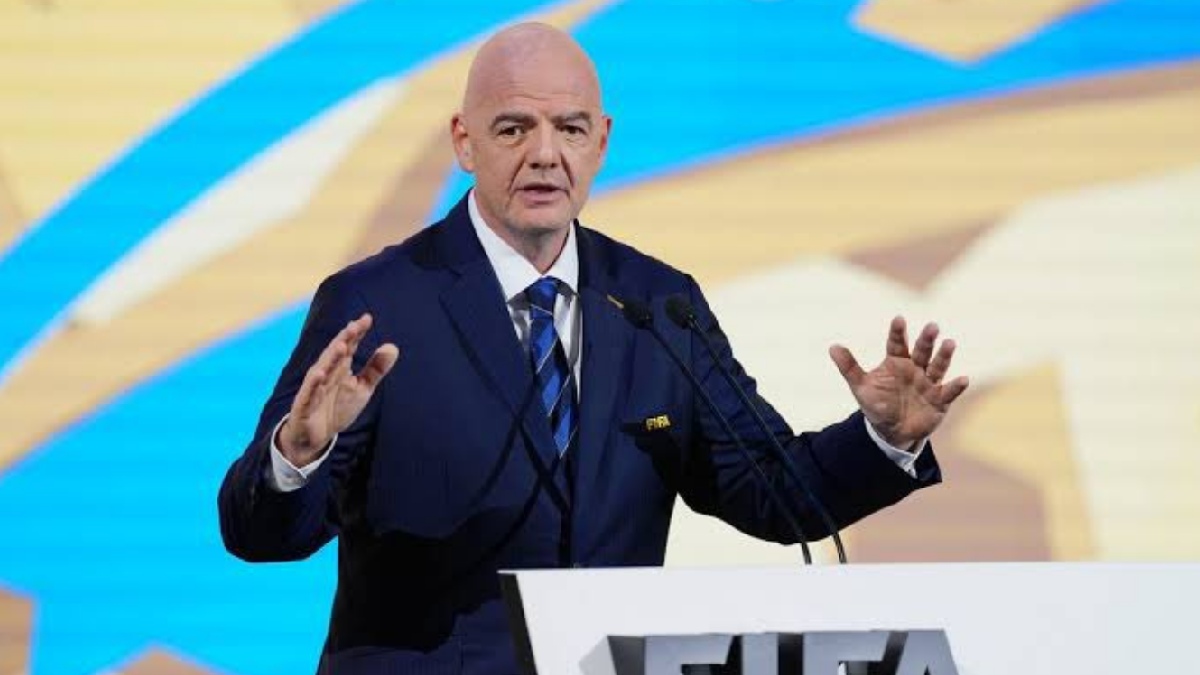
FIFA President Gianni Infantino has fiercely defended the recently concluded 2026 World Cup and accused critics and detractors of peddling inaccurate stories about the tournament. In a Facebook post after the event (which was conducted jointly in the United States, Canada, and Mexico and won by Spain), he wrote in the open letter that cynical people saw only the joy, safety, and global unity of fans and not the world that many of them had witnessed. Even though the logistical process took so long and so many hours of his time from the comfort of his desk in Zurich, he said, in spite of criticism from some people behind the scenes and from the pages of newspapers and the media, FIFA provided the best show ever of football and never had a single major security issue, so there was a lot of safety, joy, and a lot of fun and a lot of good feeling for all people.
The passionate response follows a tournament that faced persistent off-field controversies and diplomatic friction. FIFA was at the center of international anger over sensitive issues, including the high visa restrictions on United States fans, officials, and teams coming from conflict-hit areas. The Iranian national team had to move from Tucson, Arizona, to Tijuana, Mexico, as the Middle East was at its worst, and the group contests were more than that, and travel logistics were tough. The tournament also had controversies with disciplinary decisions and the decision to drop an automatic suspension for U.S. striker Folarin Balogun after political pressure, and also had a lot of disagreements over refereeing and a post-match tussle between Argentina and Spain players in New Jersey.
Trying to answer the mounting criticism head-on, Infantino dismissed the visa denials from critics as minor exceptions blown out of proportion by hostile voices. It’s not only that millions of travelers from all corners of the world have been accepted to come to the United States, but also that Iran, Haiti—a country at the moment of crisis in the world—and the Democratic Republic of the Congo, through the peaceful participation of football players who suffer from severe health issues, have been able to do so. Infantino denied that the tournament was politically biased or exclusionary and said the Iranian delegation was accepted to enter the United States because football is a game of peace rather than politics.
Not only did FIFA chief Infantino deflect much of the controversy over refereeing calls and disciplinary rulings in the competition, but his response was to say that cautions, dismissals, and subsequent panel decisions are not unusual in domestic leagues around the world, but that countries like FIFA go about having to contend with them. The stance came just days after the human rights organization FairSquare filed a formal complaint against Infantino at the International Olympic Committee because he is a friend of U.S. President Donald Trump and he is accused of violating the principle of political neutrality.
As he finished his open letter, Infantino called on cynics to step away from their keyboards and show genuine respect to the athletes and nations that took part in the tournament and made sense of the world to come together. Despite administrative chaos, visa obstacles, and political tensions that marred the summer, the tournament ended with Infantino framing it as more than just a logistical battle but a huge achievement of human connection and global celebration.