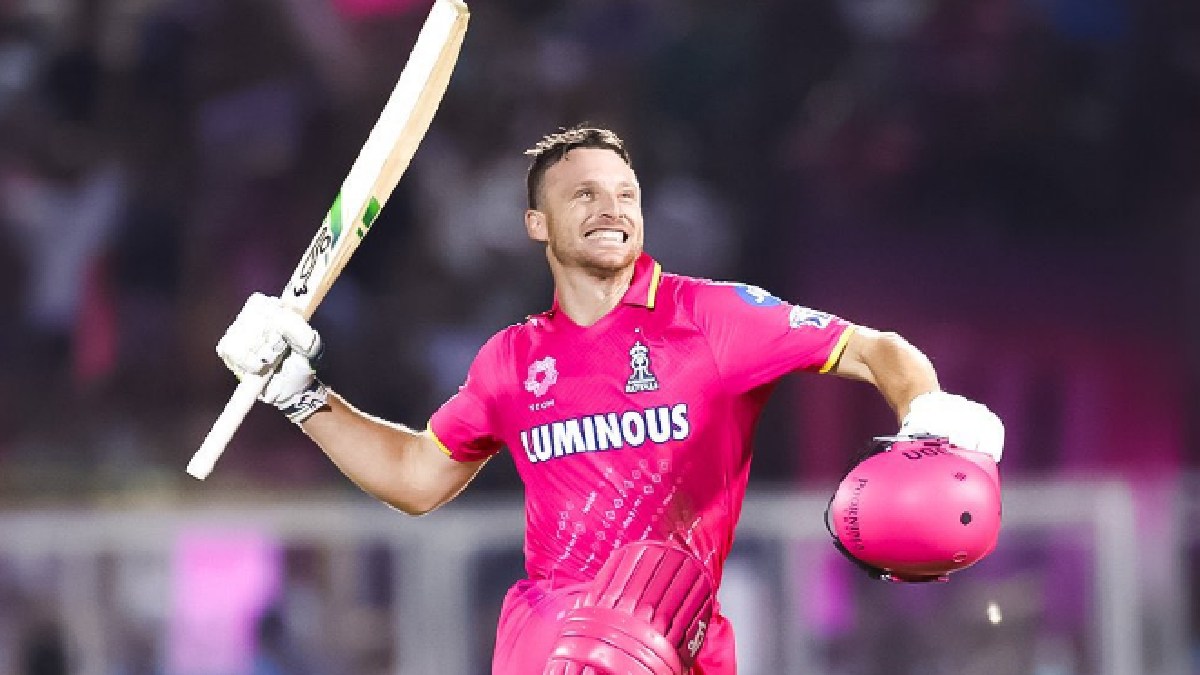
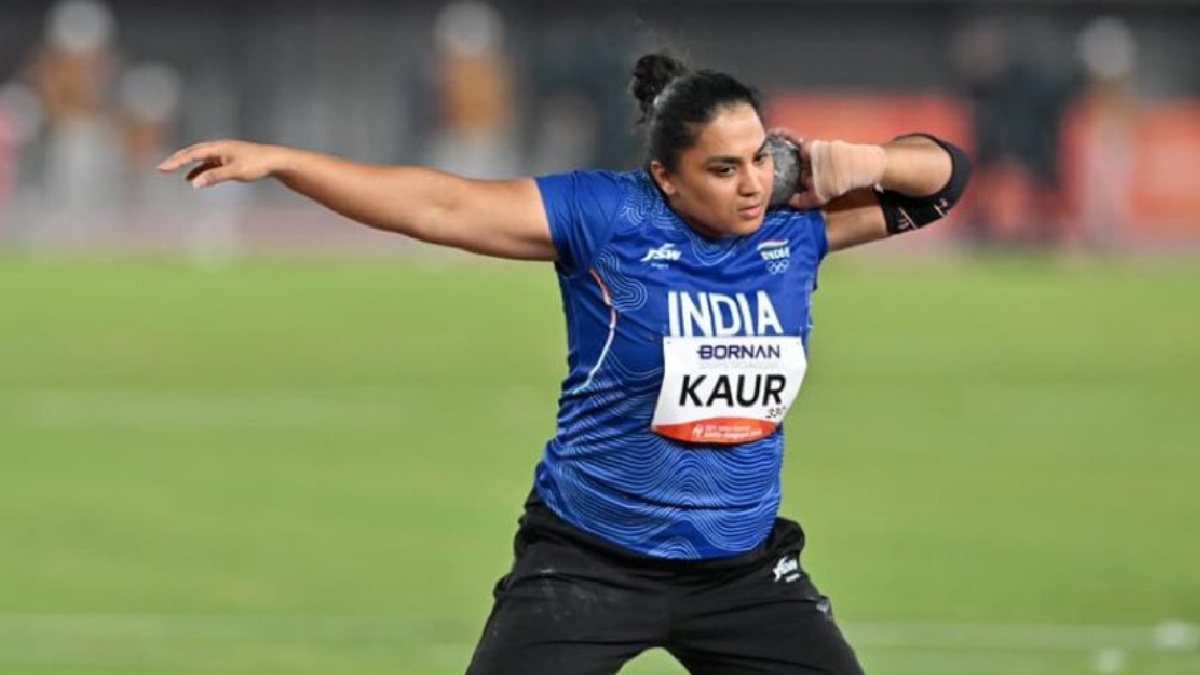
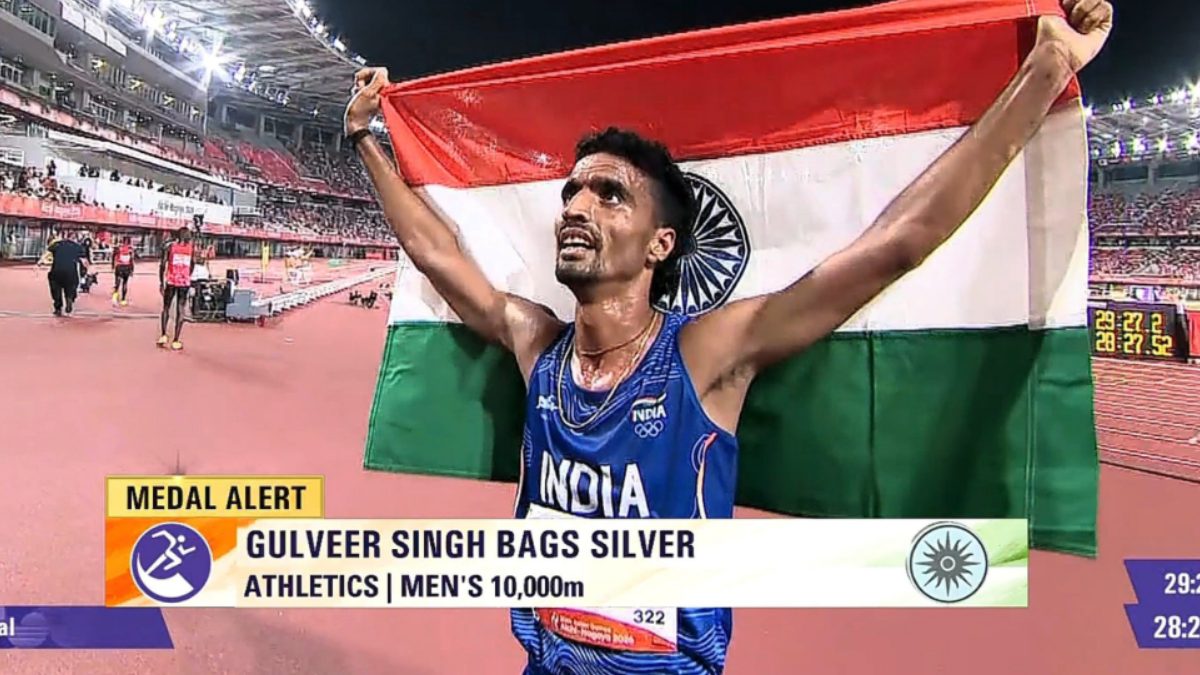
Fitness is an increasingly important component in cricket, and players will have to stay strong, fast, agile and fit over a long season.
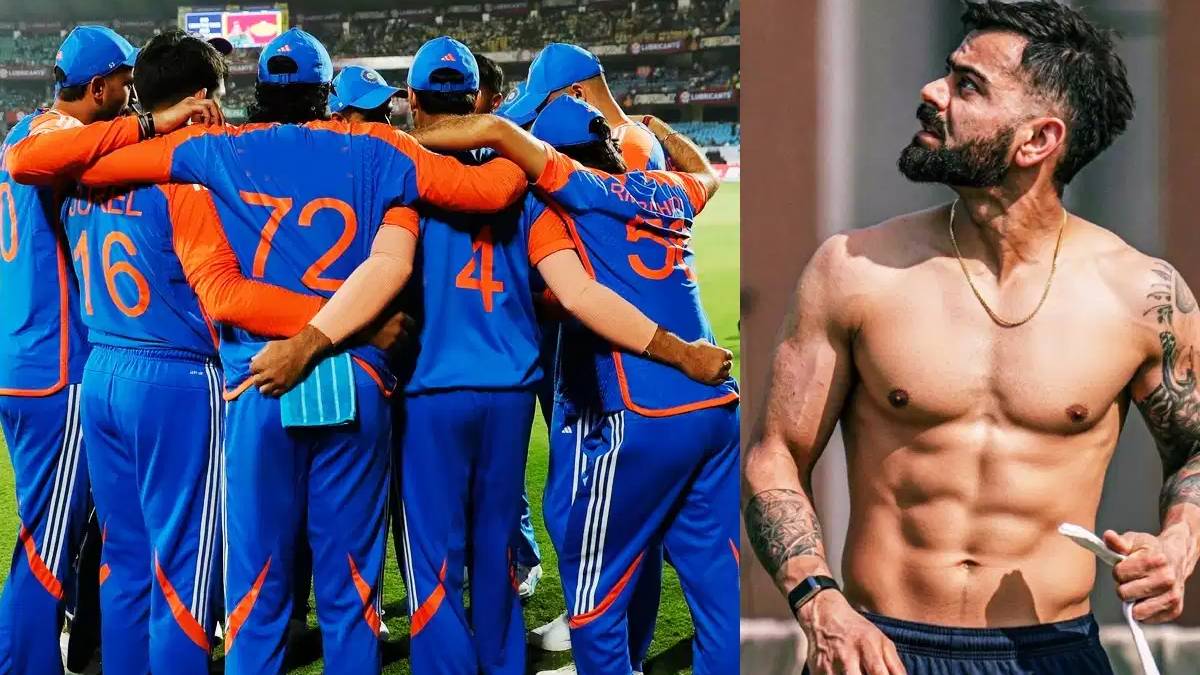
But a new debate about body image and rapid weight loss has raised questions about whether the pressure to appear extremely lean may push athletes to take medical shortcuts.
The media recently reported that some cricketers from Indian cricket and the Indian Premier League might have used weight-loss medicines like Ozempic and Mounjaro, which belong to the broader category of GLP-1-based medicines.
But there is one major difference: there is no verified public evidence that specific Indian national team players are using these medicines for cosmetic weight loss. They should be treated as reports or allegations instead of facts.
What are Ozempic and Mounjaro?
Ozempic contains semaglutide, while Mounjaro contains tirzepatide. These medicines are primarily used in the management of diabetes, but some of them are also approved for chronic weight management, depending on the product and jurisdiction.
They work partly by influencing appetite and metabolic pathways, which can result in reduced food intake and weight loss.
GLP-1-based medicines have attracted much attention outside medicine and among celebrities and those working in appearance-driven industries as well because of their effectiveness in weight management.
That popularity has also led to discussions about their potential use in professional sport.
Why is this becoming a cricket debate?
Cricket has undergone a major fitness transformation over the past decade.
The modern game requires athletes who are able to sprint and keep their concentration for long periods, recover quickly and survive the increasingly busy international and franchise schedules.
Virat Kohli is one of the most visible symbols of this change in Indian cricket.
His commitment to fitness, conditioning and nutrition raised expectations around how to prepare for physical conditions. The larger impact is felt in the form of fitness becoming a part of the equation for elite Indian cricketers to prepare for international and franchise cricket.
However, the discussion becomes more complicated when athletic fitness is confused with appearance.
A professional cricketer does not necessarily need a model-like physique to perform at the highest level.
Performance Fitness vs Camera-Ready Appearance
There is a difference between functionally fit and very lean.
A cricketer’s training programme should be primarily for performance: speed, power, mobility, endurance, recovery and injury prevention.
A lot of focus on body fat or appearance may lead to unnecessary pressure, especially among young athletes who are the most susceptible and vulnerable.
Social media and commercial endorsements have intensified this pressure even further. Players are constantly photographed, promoted, and compared, so physical appearance becomes a more visible aspect of their public image.
It is not uncommon that in the professional sport world there is a false sense of what a professional athlete should look like.
Why can rapid weight loss concern athletes?
And losing weight is not really a good thing for an elite athlete.
If weight loss is accompanied by poor nutrition or low calorie intake, an athlete can lose muscle mass or struggle to maintain sufficient energy supply.
Such a loss can affect training quality, recovery and performance.
The cricketers need to be strong and explosive. Batters need power and stability to cope with repeated high-intensity actions, and fast bowlers need strength and conditioning.
Therefore, any weight-management programme for an elite athlete should be supervised by qualified sports-medicine and nutrition professionals.
What about Anti-Doping Rules?
The second question is whether GLP-1 medicines are prohibited under anti-doping laws.
The World Anti-Doping Agency’s Prohibited List 2026 took effect on January 1, 2026. The list specifies the substances and methods not allowed in sport.
The fact that a medicine is used for weight management does not mean that it is a banned substance. Athletes should take every medication and ingredient to be weighed and evaluated by the anti-doping authorities and seek appropriate medical advice.
This is important, because a medicine can be medically legitimate but must be properly considered under sports laws.
Athletes should never assume that a prescription or commonly used medicine is automatically safe from an anti-doping perspective.
NADA Testing Is a Safeguard
India’s anti-doping framework has also been under scrutiny in recent months.
In May 2026, Indian cricketers Yashasvi Jaiswal and Shafali Verma were reported to have been issued notices by the National Anti-Doping Agency after missing scheduled tests. Both were part of NADA's Registered Testing Pool.
That case was about missed testing obligations and not a case where either player had used a prohibited weight loss drug.
But it does illustrate that professional athletes must be in sync with anti-doping and medication guidelines.
The Bigger Problem: pressure on young cricketers
The most important question may not be whether a particular player has used a weight-loss injection.
Cricket authorities and team management must therefore look at whether young players are being placed under unnecessary pressure to achieve a certain body shape.
Fitness should be based on the performance of the athlete and the individual's fitness rather than a single visual ideal.
Players have different body types, positions, workloads and physiological characteristics. A fast bowler, wicketkeeper, batter and spinner might require different physical conditioning strategies.
What Should Teams Do?
Team management can help by making evidence-based sports nutrition and medical support easily available to players.
Young cricketers should be advised by experienced doctors, dietitians, strength-and-conditioning coaches and sports scientists rather than social media posts or the latest weight loss techniques that are not proven.
In addition to nutrition and recovery, body composition and workload monitoring, proper fitness monitoring is a must in order for players to be able to maintain fitness and be healthy.
The Kohli effect should mean better fitness rather than appearance pressure.
Virat Kohli’s influence on Indian cricket’s fitness culture has surely been significant.
But the most important lesson from that transformation is not that every cricketer needs to look extremely lean.
The real lesson is that professional athletes need discipline, consistency, proper nutrition, strength training, recovery and a long-term commitment to performance.
Fitness in cricket should ultimately be measured by what a player can do on the field—not simply by how the player looks in a photograph.
The recent talk about weight-loss injections is one recent reminder that fitness needs to be based on health, performance and medically supervised training rather than appearance-driven shortcuts.