Buddhist heritage in India is a vast and rich history, architecture, culture and natural beauty, and it is not only in the places of pilgrimage centres which ancient pilgrimage centres and Himalayan monasteries and peaceful spiritual retreats can be found, but also in the mountains of Ladakh, Sikkim and Arunachal Pradesh which are also popular among tourists.
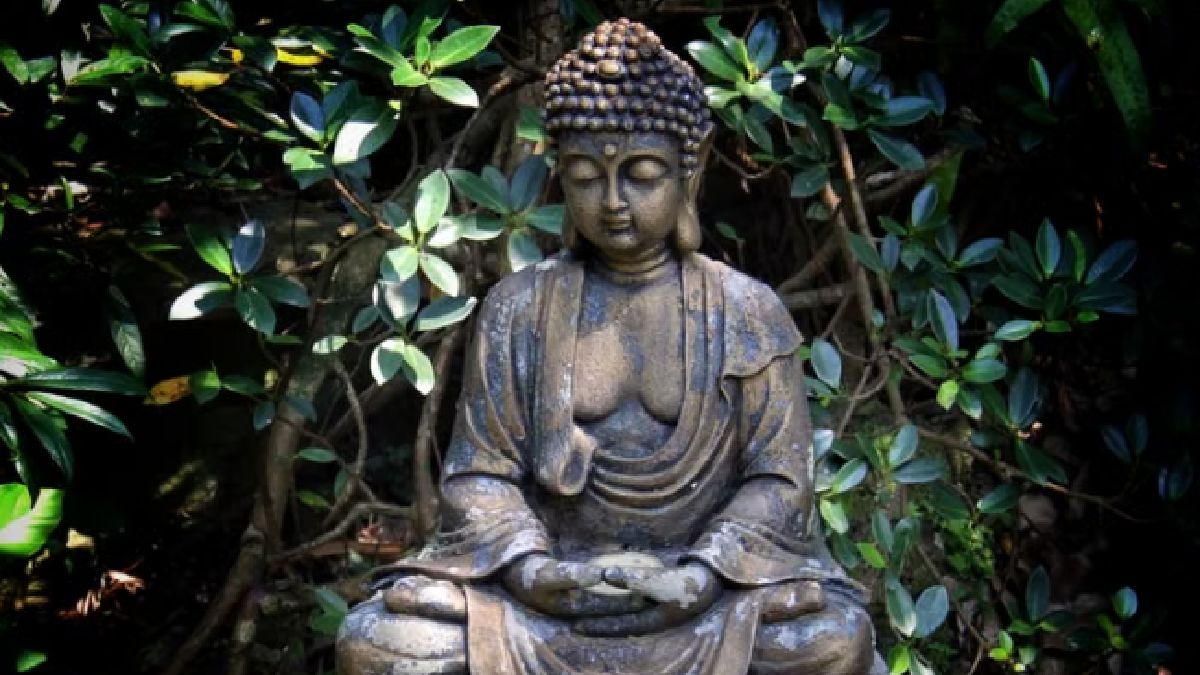
Buddhist temples and monasteries can also be slower and more reflective places to visit for travelers not used to seeing things like they see them. Many are in beautiful places; others are surrounded by centuries-old monuments and archaeological remains. Here are 10 beautiful Buddhist places in India that you must visit while you’re there.
1. Mahabodhi Temple, Bodh Gaya, Bihar
The Mahabodhi Temple in Bodh Gaya is one of the most important Buddhist pilgrimage sites around the world. It is situated on the site of Siddhartha Gautama’s enlightenment and has been designated as a UNESCO World Heritage Site. The temple is of the 55-metre-high stature, has beautiful architectural and carvings related to Buddha's life and teachings.
Religious, historical and architecture-oriented tourists should definitely go to the temple complex. The surrounding Bodhi tree and the peaceful atmosphere of Bodh Gaya make it a must-visit place on any Buddhist heritage journey.
2. Tawang Monastery, Arunachal Pradesh.
Tawang Monastery is one of India’s most famous Buddhist landmarks located in the East Himalayas. It was founded in the 17th century and is described by the Ministry of Tourism’s Incredible India portal as the largest monastery in India. It is situated at the top of the Tawang Valley and features Buddhism’s scriptures, murals and religious artifacts.
The surrounding Himalayan landscape adds another dimension to the experience. The journey to Tawang itself takes travellers through mountain passes, valleys and dramatic scenery, making the destination especially attractive to adventure and nature lovers.
3. Namdroling Monastery, Karnataka
Namdroling Monastery is also frequently referred to as the Golden Temple in Bylakuppe near Mysuru. It is the seat of Tibetan Buddhism in southern India and is known for its colourful architecture, intricate artwork and imposing golden statues.
The monastery was established in 1963 by Pema Norbu Rinpoche and has become a center for Buddhist learning. Its main temple has an elegant interior and a large golden statue of Guru Padmasambhava. The peace and recreation provide Namdroling with a great deal of historical significance for those travelling in Karnataka beyond the capital city.
4. Rumtek Monastery, Sikkim.
Rumtek Monastery is situated amid the hills of Sikkim and is noted for its striking Tibetan Buddhist architecture and peaceful setting. It is one of the most visually striking Buddhist sites in northeastern India with its vivid facade and ornate decorations and mountains surrounding it.
Rumtek can be travelled to as a holiday in Sikkim with Gangtok and other places in Sikkim. The monastery will allow the traveller to learn Tibetan Buddhism along with the natural beauty of the eastern Himalayas.
5. Hemis Monastery, Ladakh
Hemis Monastery is one of the most important Buddhist monasteries in Ladakh and is especially famous for its annual Hemis Festival. South of Leh the monastery has murals, statues and sacred thangkas in it and one can see Ladakh’s rich Buddhist traditions first hand.
The monastery’s dramatic mountain setting makes it a favorite among travellers exploring the region. Those who are there during the festival season can also experience traditional masked dances and religious ceremonies.
6. Diskit Monastery, Ladakh
Diskit Monastery located in the Nubra Valley combines spiritual and Himalayan beauty. It is located above the valley and gives you beautiful views of the rugged mountains and Shyok River.
To get to the prayer hall is to climb stone steps but the view from the top is really good. The monastery is also associated with traditional Buddhist rituals and festivals and is an interesting place for travellers who wish to have cultural experience and the most beautiful landscapes.
7. Sanchi Buddhist Monuments, Madhya Pradesh.
Sanchi offers a completely different Buddhist experience from the Himalayan monasteries. The ancient Buddhist monuments date back around two millennia, with the Great Stupa traditionally associated with the Mauryan period and Emperor Ashoka.
The site is a UNESCO World Heritage Site and is also renowned for its intricately carved toranas and ancient Buddhist art. The carvings give one a picture of Buddhist traditions and stories (hence Sanchi is so attractive to historians and photographers).
8. Tsuglagkhang Complex, Dharamshala
The Tsuglagkhang Complex in McLeod Ganj is a cultural hub of Tibetan Buddhism. It includes the Tsuglagkhang Temple, Namgyal Monastery and the Tibet Museum and is associated with the Dalai Lama’s residence in Dharamshala.
Visiting visitors can observe prayer sessions, Buddhist art and Tibetan cultural practices and be guided through the Dhauladhar mountains. It is one of the places for meditation, culture and Himalayan places to visit in northern India.
9. Mindrolling Monastery, Dehradun.
Mindrolling Monastery is one of the major Buddhist centers in Dehradun and is also known as the Tibetan Buddhist Temple. The monastery was founded in 1965 and is famous for its Great Stupa, which rises more than 200 feet in height.
The complex also has beautiful murals, very complex Buddhist sculpture and a large Buddha statue. It is a pleasant place to visit for the tourists visiting Uttarakhand.
10. Thiksey Monastery, Ladakh.
Thiksey Monastery is another interesting Buddhist destination near Leh. Built on many levels on a hill, its architecture is similar to Tibet's Potala Palace. There are many temples in the monastery, Buddhist objects and a large Maitreya Buddha statue.
The elevated location provides panoramic views of the surrounding Ladakh landscape. Its whitewashed structures among the stark mountains also make Thiksey one of the region’s most photographed monasteries.
Buddhist Heritage and India’s Buddhist heritage.
From the plains of Bihar and Madhya Pradesh to the high-altitudes of Ladakh and the forested hills of the Northeast, India’s Buddhist destinations are very diverse in architecture and cultural traditions. Some are pilgrimage sites, others are places to explore Tibetan Buddhist history and Himalayan lifestyle.
These are places that are also ideal for travellers who wish to mix cultural exploration with nature. Tawang offers mountain views, Ladakh’s monasteries are surrounded by beautiful valleys, Sikkim is a beautiful Himalayan landscape, and Bodh Gaya and Sanchi open the door to some of India’s oldest Buddhist traditions.
Visitors to religious sites should also dress respectfully, follow local customs and check what the visiting rules are on monastery or temple complexes before entering. Photography restrictions can also vary from one place to another.
As the tourist goes on a cultural pilgrimage through India these 10 Buddhist temples and monasteries are far more than pretty. They tell a story of Buddhism’s lasting impact on India’s history and art and traditions and landscapes.