
The proposed Vande Bharat Sleeper will have 16 coaches: 11 AC three-tier, four AC two-tier, and one AC first-class coach. The fare is expected to range between ₹2,600 and ₹4,250, depending on the class of travel.
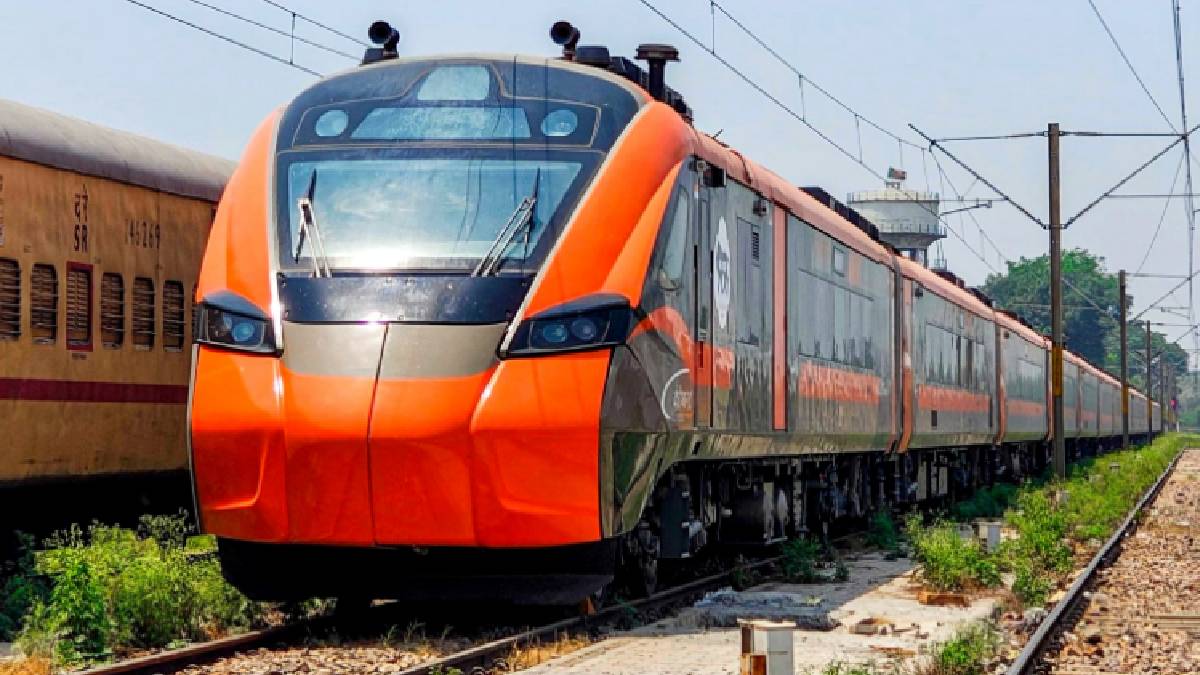
The train is expected to cover approximately 1,118 km in around 16 hours, compared with roughly 24 hours on the existing Udyan Express. Its proposed route includes Anantapur, Guntakal, Raichur, Kalaburagi, Solapur, Pune and Kalyan before reaching Mumbai. The regular commercial service date and final operating schedule are yet to be confirmed.
Is One Faster Train Enough for Bengaluru?
The new service is a welcome improvement, but it is not enough to address Bengaluru's wider railway connectivity needs.
The city requires better rail connections to neighbouring cities and destinations farther away. Faster and more reliable trains could benefit thousands of passengers, particularly during festive seasons when bus and airfares often rise sharply due to increased demand.
The Bengaluru–Mumbai route has long needed a faster overnight rail connection, given the number of people travelling between these two economic centres for work, business and personal commitments. Reducing the journey by eight hours would make rail travel more practical, but affordability, frequency and dependable schedules will also determine how useful the service becomes.
Bengaluru Needs More Than Vande Bharat
Demands for better rail connectivity extend beyond Mumbai. Faster connections between Mysuru, Bengaluru and Chennai have also been a subject of discussion, while the Centre announced seven high-speed rail corridors in the 2026 Union Budget.
These proposed corridors include Chennai–Bengaluru and Bengaluru–Hyderabad, alongside other routes connecting major economic centres. Railway Minister Vaishnaw has described the broader southern network as the “South High-Speed Diamond”, intended to strengthen connections between Bengaluru, Chennai, Hyderabad and other major cities.
However, these high-speed corridors are separate projects from the Vande Bharat Sleeper service and should not be confused with trains already operating. Their proposed benefits will depend on planning, funding, construction and implementation.
Dedicated high-speed infrastructure is particularly important. If high-speed trains have to share congested tracks with regular passenger and freight services, operational constraints could limit the time savings they are designed to deliver. Separate, grade-separated routes can help reduce conflicts with other railway traffic and allow trains to operate more reliably at higher speeds.
For a rapidly growing city like Bengaluru, improved rail connectivity is not merely a convenience; it is an important part of supporting its expanding population and economic activity.
The proposed Bengaluru–Mumbai Vande Bharat Sleeper is a positive step and a welcome Rajyotsava development.



Comments
Leave a Comment