To boost the capital's tourism sector and encourage tourists to visit other places beyond the city’s most familiar places, Delhi Chief Minister Rekha Gupta launched four tourism circuits from Akshardham temple complex. So what exactly does it entail? It will make them more convenient and more structured and connect the major cultural, historical and recreational venues to better take place for tourists in the region.
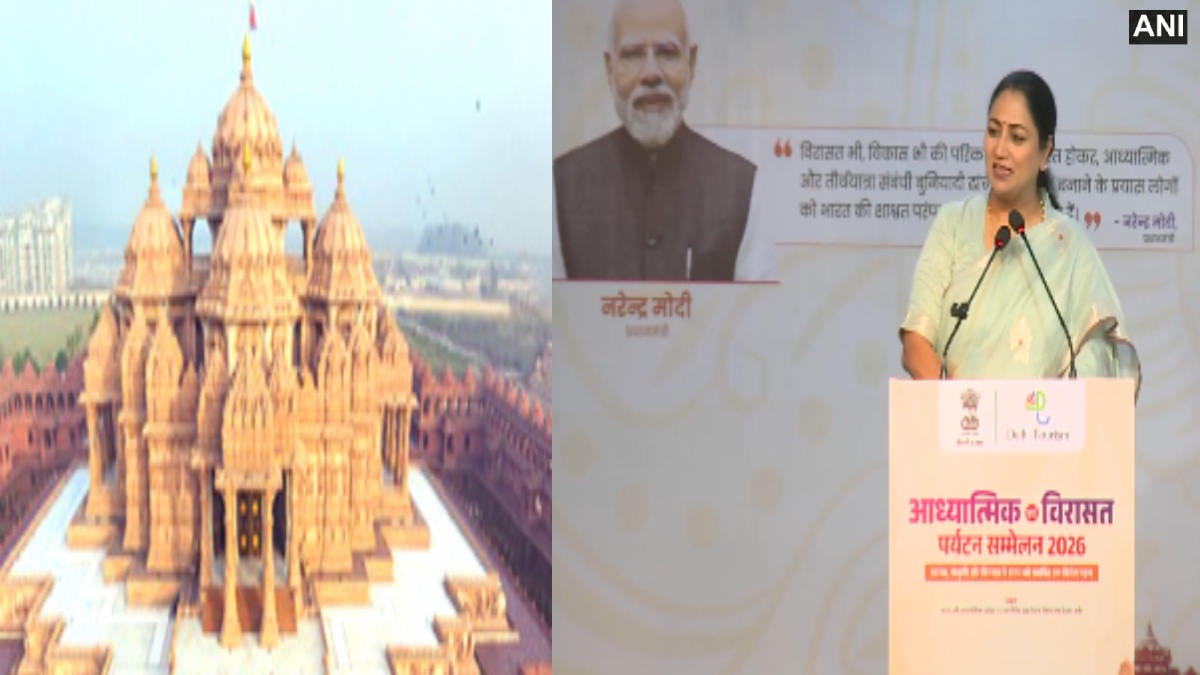
The launch from Akshardham is a historic one because the temple complex is the capital’s main tourist attraction and is already one of the prominent tourist places in Delhi. The point of the new circuits is to connect the city’s tourism centre to other attractions and thus the Delhi government is using the site as the starting point for the new circuits. It will give tourists curated itineraries and make them look at different parts of Delhi and how to travel there in a very organized manner.
Delhi is known for being rich with historical monuments, religious places, museums, markets, gardens and modern attractions. Tourists have a very limited number of best places to visit but will be planning their trip around a few of them. Tourism circuits can help to bring these places together in itineraries. Tourists can visit individual places and create a theme around them and geographical clusters.
The four circuits that are currently being launched by the initiative will help to improve Delhi’s tourism industry and the way places are highlighted to visitors. Tourism circuits can be especially useful for domestic tourists and first-time visitors who have not visited the city’s geography before. Providing guided routes, authorities can help visitors plan their trips and visit a number of places during a short visit.
The initiative also has potential economic benefits. A better tourism network can also help businesses around tourist destinations (hotels, restaurants, transport providers, guides, handicraft sellers, souvenir shops and local markets). If tourists spend more time in different parts of a city and spend more time around those monuments, the economic benefits can go beyond the immediate vicinity of those monuments.
Akshardham itself is a significant tourist spot and one of the most popular places to visit in Delhi. It is a great starting point for tourism connections in eastern Delhi to other parts of the capital. Starting the circuits from such a popular place has the potential to draw more visitors into other places that probably aren’t as popular with tourists as those we would like to travel to but with the same cultural or historical significance.
The Delhi government’s tourism initiative also mirrors a growing need for experience-based travel. Today’s tourists are looking for more than monuments. They want to experience something that combines history, food, culture, architecture, shopping and local traditions. Very well-structured circuits can also convey a richer sense of Delhi and create opportunities for various tourism industries.
The four circuits may also help the longer tourist stay. A visitor who at the start of the trip is only planning to stay for one day in a particular place may be encouraged to travel around the entire world and find more places to visit along organised routes. Longer stays can increase the tourist spending in the local economy and generate new tourism business.
Central to this is Delhi’s heritage landscape. The city has been shaped by various historical periods and has landmarks associated with different dynasties, cultures and communities. From monumental architecture and old neighbourhoods to museums, religious centres and public spaces, Delhi has a diverse tourism portfolio. The linking of these attractions into thematic or geographic circuits can make the overall tourism experience more coherent.
The initiative is also of interest from the tourism infrastructure perspective. A successful tourism circuit is not just about finding attractions. Good transportation, clear signage, information facilities, sanitation, safety measures and quick access to the most important sites are all essential to tourists. Betterment in these areas would enhance the overall visitor experience as the circuits develop.
The launch may help to promote lesser-known sites, too. Delhi’s tourism identity is generally dominated by well-known international tourist attractions and cultural places, but the city also has many smaller heritage sites, cultural institutions and neighbourhood locations. Putting these places in organised tourism routes would bring them more visibility and the tourist flow would be spread more evenly.
For local people, increased tourism may also be a source of employment and entrepreneurship. Tour operators, transport operators, food businesses, artisans and small retailers may also benefit from more visitors if sustainable tourism development is planned so that it is profitable and the recognition of Delhi’s cultural heritage can be encouraged.
The government's focus on tourism circuits also comes at a time when cities across India are increasingly developing destination-based tourism strategies. Rather than treating individual attractions as isolated sites, authorities are attempting to create connected tourism experiences that can appeal to different categories of travellers. Delhi, with its extensive historical and cultural resources, has considerable potential to benefit from this model.
The circuits may also make Delhi more accessible to domestic tourists as a weekend or short-break destination. For other parts of India, the routes can lead to a more varied itinerary of attractions for international visitors.
The initiative could further extend Delhi’s reputation as a multi-faceted tourism destination. The city itself is well known in the world for its historical monuments, but it can also be a tourist destination for food, art, culture, shopping, spirituality and contemporary experiences. A circuit-based strategy can help to explain all of these to tourists more formally.
The launch of the four tourism circuits from Akshardham is therefore seen as a significant step in the development of Delhi’s tourism infrastructure and visitor experience. However, the long-term success of the programme will depend on the implementation of the programme in coordination with the different agencies, transport links to various destinations, the maintenance of tourist sites and the promotion of the circuits.
#WATCH | Delhi: On Spiritual & Heritage Tourism Conclave 2026, CM Rekha Gupta says, “The current Delhi government wants to showcase the city to the country and the world. We specifically aim to boost religious and spiritual tourism here. We all know that people often treat Delhi… pic.twitter.com/nJvFoBfzpf
— ANI (@ANI) August 11, 2026
The new routes could also encourage tourists to travel to places they might otherwise miss if well-established infrastructure and visitor services (and transportation services) were available to them. They could also open up new business opportunities for businesses and communities that are based on tourism.
Delhi’s tourism offerings will be further fortified by the four new circuits as part of the capital’s plan to attract more visitors and to make them feel that they can explore the city outside of the city’s famous monuments. Akshardham’s launch is an effort to link the attractions, enhance sightseeing and to demonstrate the diversity of culture and history in India’s capital.