
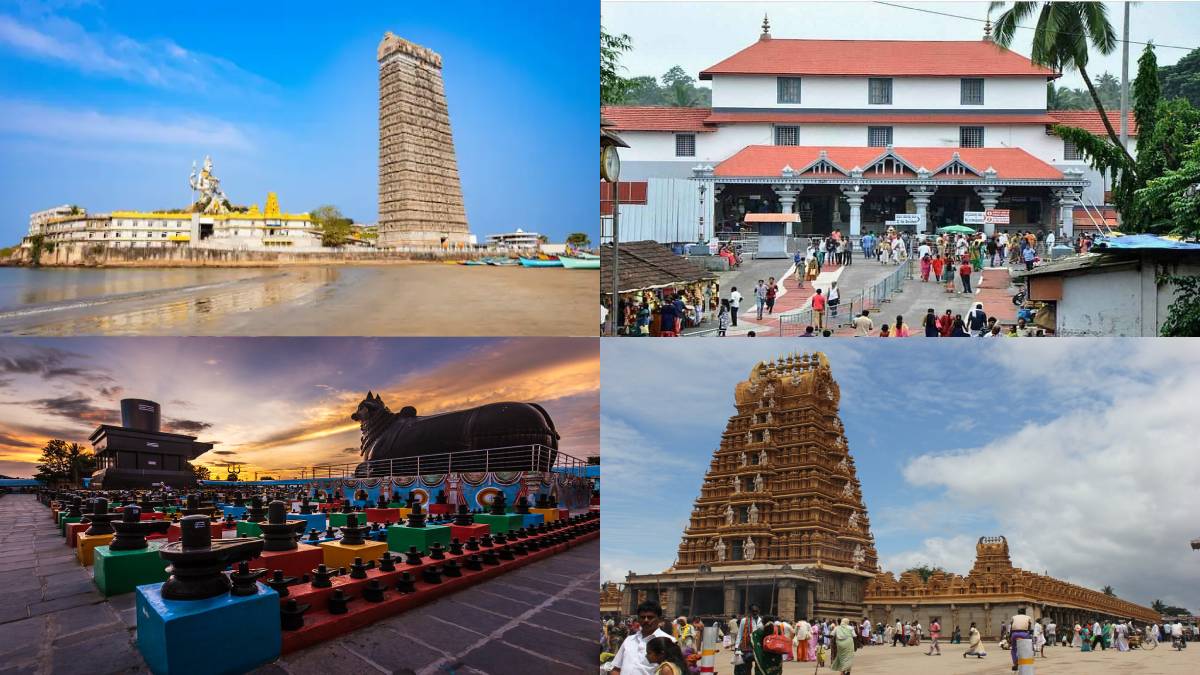
One of the major Hindu festivals dedicated to Lord Shiva is Maha Shivaratri. We observe this with devotion, fasting and night-long prayers. In Bangalore, which is famous for its up-to-date lifestyle, many other ancient and holy Shiva temples also surround the city where devotees sit to perform rituals and seek blessings. Not merely religious but also testament to the myriad cultural and architectural culture of Karnataka. Please consider some of the most honored Shiva temples in Bangalore that develop into vibrant places during Shivaratri and get a tour of some of the most sacred Shiva temples of Bangalore.
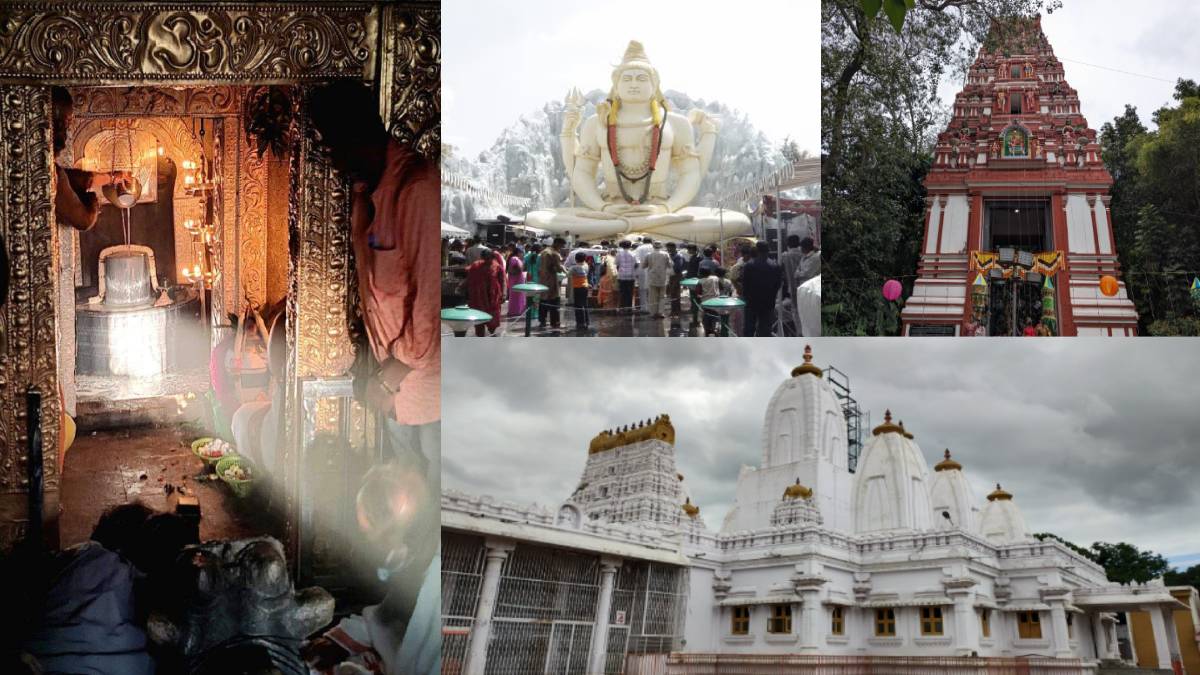
Shivoham Shiva Temple (Old Airport Road)
One of the iconic temples in Bangalore, the Shivoham Shiva Temple is also known for its 65-foot statue of Lord Shiva meditative in pose. The temple also has a huge statue of Lord Ganesha in it and a healing stone with worshippers praying for good health. On Shivaratri, thousands gather around the chanting mantras, abhishekam (ritual bathing of the deity) or night-long bhajans. And the calm feels ideal for meditation or spiritual reflection.
Gavi Gangadhareshwara Temple (Gavipuram)
Unlike any other temple, this one is constructed in a natural cave. Its dedication to Lord Shiva is Gangadhareshwara, and it dates back to the 16th century. The temple is renowned for its architectural wonders, including monolithic stone structures, and a rare phenomenon in which sunlight rays are allowed through the temple’s arches to shine on the Shiva Linga at specific times of the year. On Shivaratri, the cave temple becomes a magical stage in religious ceremonies with guests congregating from around the city.

Shri Someshwara Swamy Temple (Halasuru)
One of the oldest in Bangalore, the Hindu temple situated in Halasuru was built during the Chola dynasty. It worships Lord Someshwara, a god of Shiva. The temple is famous for its finely carved scenes, its tall gopuram (tower) and its Dravidian architecture. The temple holds pujas, cultural ceremonies, dance performances and devotional music for Shivaratri with a festival and spirituality-filled environment.
Kadu Malleshwara Temple (Malleshwaram)
This temple, in the historic area of Malleshwaram, dates back to the 17th century. The area itself was thought to be named for this temple. As a result, the Kadu Malleshwara Temple's Dravidian style architecture makes it attractive, as it comes in a peaceful neighborhood. On Shivaratri, devotees perform rituals like Rudrabhisheka and offer bilva leaves to Lord Shiva, seeking blessings for prosperity and well-being.
Dwadasha Jyotirlinga Temple (Omkar Hills)
It is a Hindu temple on Omkar Hills and is dedicated to Lord Shiva in the form of twelve Jyotirlingas representing the popular shrines throughout India. It’s a spiritual respite for travelers who cannot go to every Jyotirlinga temple. On Shivaratri, the temple has a set of special prayers and rituals, and thus it ranks well as a place where devotees wishing to experience the divine presence of Lord Shiva come for his manifestation in many forms.


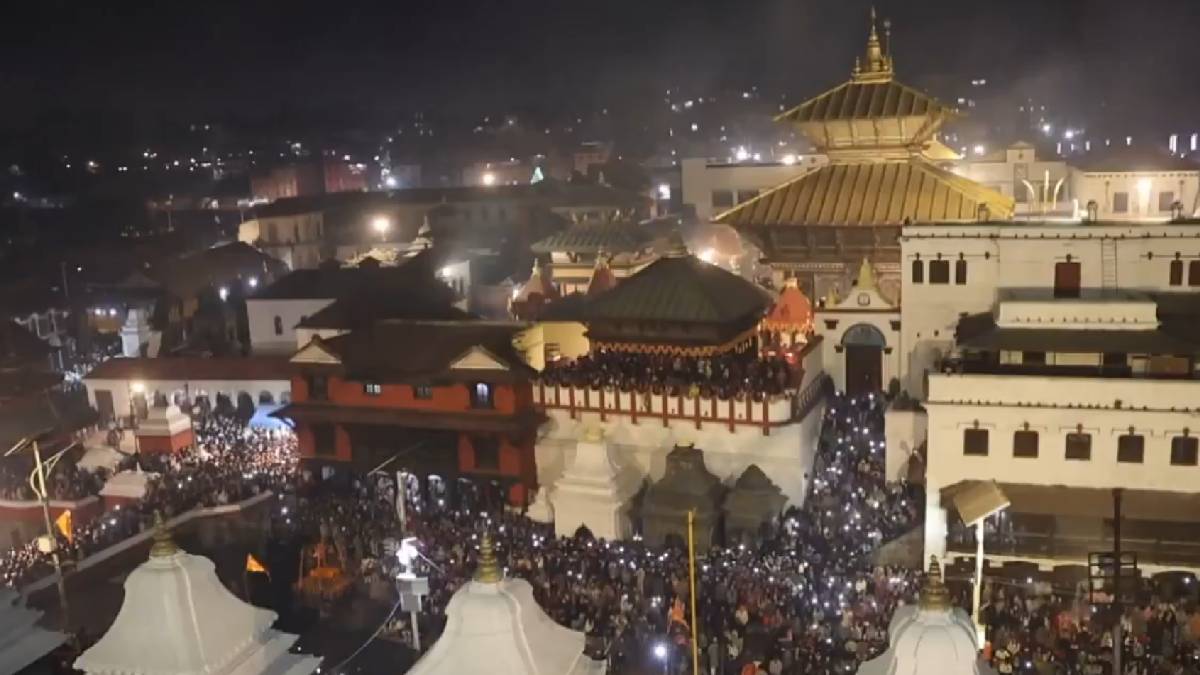
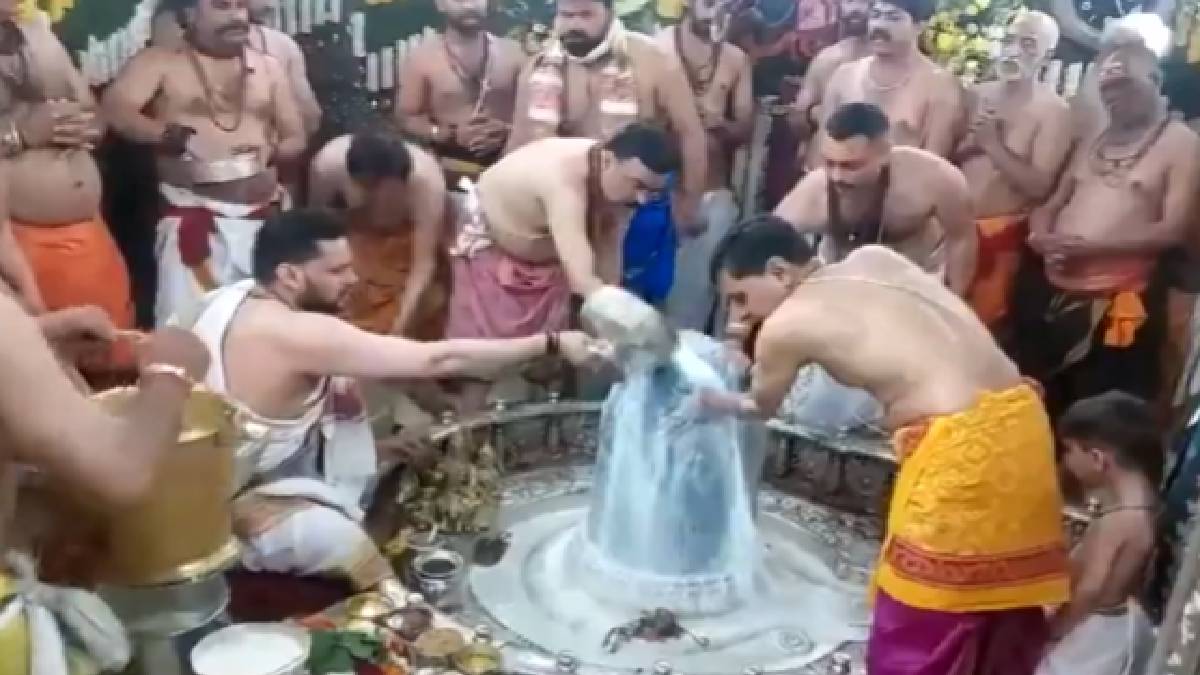
Shivaratri is also when devotees fast, say the mantra “Om Namah Shivaya,” and remain awake into the night to pray and perform their bhajans. Special abhishekams featuring milk, honey, and ghee are conducted at temples in Bangalore denoting ritual purification and devotion. Many temples have also hosted cultural programs, including classical music and dance aimed at Lord Shiva. It has the atmosphere of devotion, and the experience is unforgettable, spiritually speaking.
Bangalore may be a hub of technology and current worldly life, but it also has deep spiritual roots from its ancient Shiva temples. Visiting these temples during Shivaratri is not only about performing rituals, but about connecting to Shiva that has become one that goes deeper than our understanding and reflects inward feelings of peace and celebrating Lord Shiva as the cosmic energy that powers the cosmos. These temples provide a sanctuary for every soul to be a blessing, a chance to meditate and a simple taste of the cultural diversity of the festival – a space you can visit when at these temples.








Comments