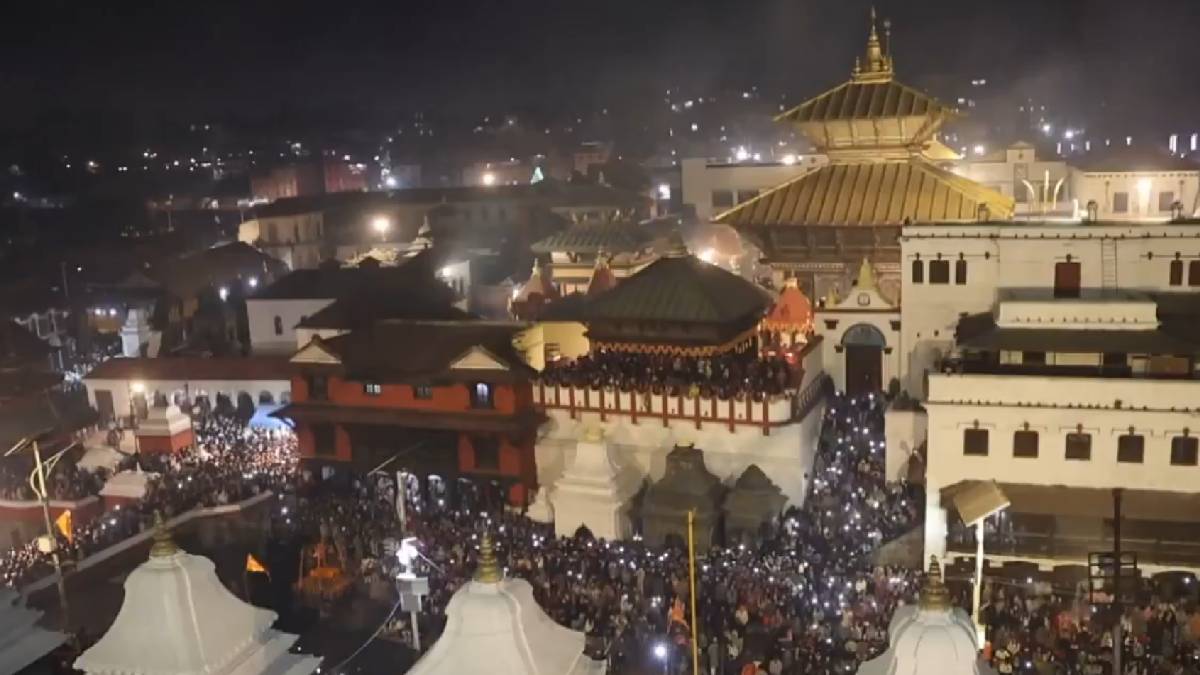
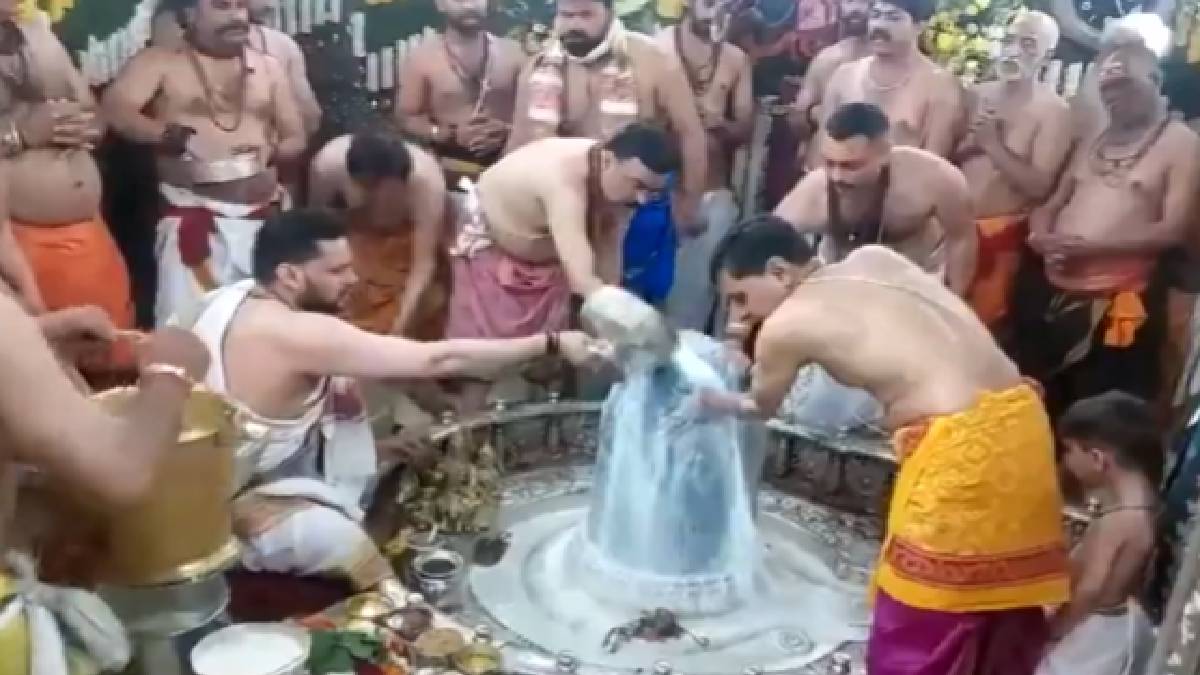
It is due for one of the largest religious celebrations on the day of 15 February 2026 in India as almost 10 lakh worshippers are anticipated to visit the Mahakaleshwar Temple for Maha Shivratri in Ujjain. With such a large number of people and about 1.5 lakh vehicles entering the city now, the administration has come up with a comprehensive traffic and parking plan. For the first time, Google Maps will provide real-time updates over no-jams routes as well as parking slots available so pilgrims can easily get around. The Ujjain Police has partnered with IT teams to feed traffic changes into Google Maps to contain that rush. The app will only list out blocked routes and only clear roads with free parking. This change in direction has potential to facilitate the relief of traffic accidents by allowing devotees to be transported and easily reach the temple. Earlier on 1 January 2026, the same system was tested and will now be officially carried out completely for Maha Shivratri.
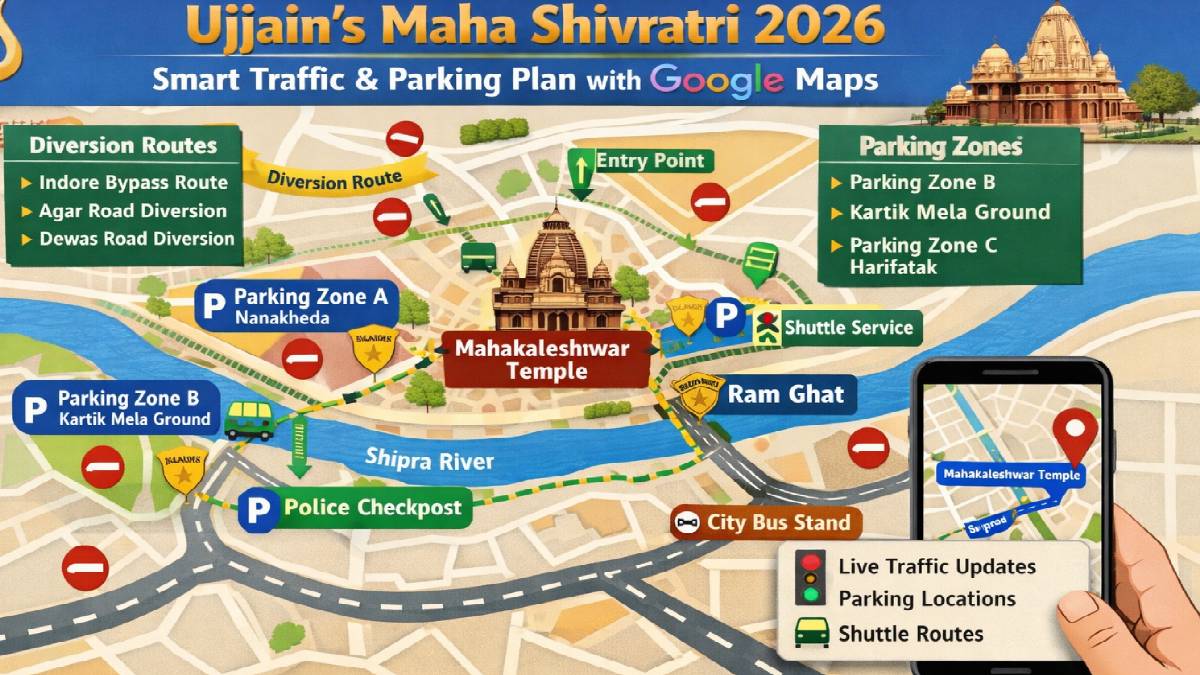
The scale of the arrangements demonstrates the significance of the festival:
- For security operations, 2,000 police are expected to be deployed 150 women constables.
- Vehicle flow will be handled by 250 traffic police personnel.
- 200 CCTV cameras and drones will oversee crowds and traffic.
- Direction boards will be posted along main paths to direct devotees.
From 14 February night until 16 February, the force will remain stationed on duty, including on security patrols throughout the festival to ensure the security and order of the venue.
Google Maps will not show clogged routes to Mahakal temple, officials said. Rather, devotees will be greeted with smooth roads and parking spots updated in real time. This allows pilgrims to organise their routes more effectively, escape congestion and tap directly into parking.
To maintain order, a fixed route has been set for general visitors:
- Parking at Karkaraj Parking.
- Chardham Temple, Triveni Museum, Mahakal Lok, Mansarovar Gate.
Darshan will also culminate in the Mahakal Tunnel, just outside Bade Ganesh Temple. The entire path has tents as shade, drinking water and toilets. The darshan is anticipated to be about 40 minutes long, providing amenities for comfort for devotees.
Vehicles from various directions will be redirected to designated parking grounds: Prashanti Dham, Engineering College Ground, Mannat Garden, Imperial Hotel parking lot, Kartik Mela Ground, Rathore Kshatriya Ground, Agricultural Center Fields. Vehicles from Indore, Dewas, Bhopal, Maksi, Nagda, Agar, Badnagar have parking rooms. Heavy vehicles will be diverted outside the city via bypass routes to help clear the congestion. Vehicle access will be restricted on numerous inner‑city roads adjacent to Mahakal temple between the evening of 14 February and 16 February.
Pedestrian routes will also be kept closed as many roads will be closed to cars during the festival. The itinerary consists of those near Harifatak, Shankaracharya Chauraha, Jantar Mantar, Daulatganj, Telivada, KD Gate and Bhargav Tiraha. This limit will avoid crowding and ensure that the devotees can make their way to the temple without fear of being crowded.
The administration has also emphasized crowd management and basic amenities:
- The darshan way will be shaded by tents.
- Drinking water and toilets will be available at several stations.
- Devotees will be guided by volunteers and police to prevent confusion.
- Drones and CCTV sensors will monitor crowd density and guide forces to where they are necessary.
Maha Shivratri in Ujjain is more than a religious celebration; it is an immense cultural and social occasion. And with the use of Google Maps to report real‑time traffic and parking updates, we can see how technology can enable tradition. Through an effective use of modern resources with a proficient deployment of manpower is a quest for Ujjain to have a stable, organised and spiritually satisfying life for millions of their disciples.
Ujjain’s Maha Shivratri 2026 plan for traffic and parking is a benchmark for how technology, planning, and devotion can complement one another. With Google Maps to show pilgrims where to find jam-free routes, real‑time parking updates, and thousands of police to keep all commuters safe, the city is primed to receive devotees from across India. This effort illustrates how technology tools can facilitate traditional rituals more conveniently, so faith has to go along with convenience.