
Maha Shivaratri known as the “Great Night of Shiva” is considered one of the most important festivals in Hindu tradition. Devotees fast, say prayers and meditate to respect Lord Shiva and Goddess Parvati. This fast is more than just abstaining from food; it is a spiritual discipline undertaken to purify the body, soothe the soul and renew devotion.
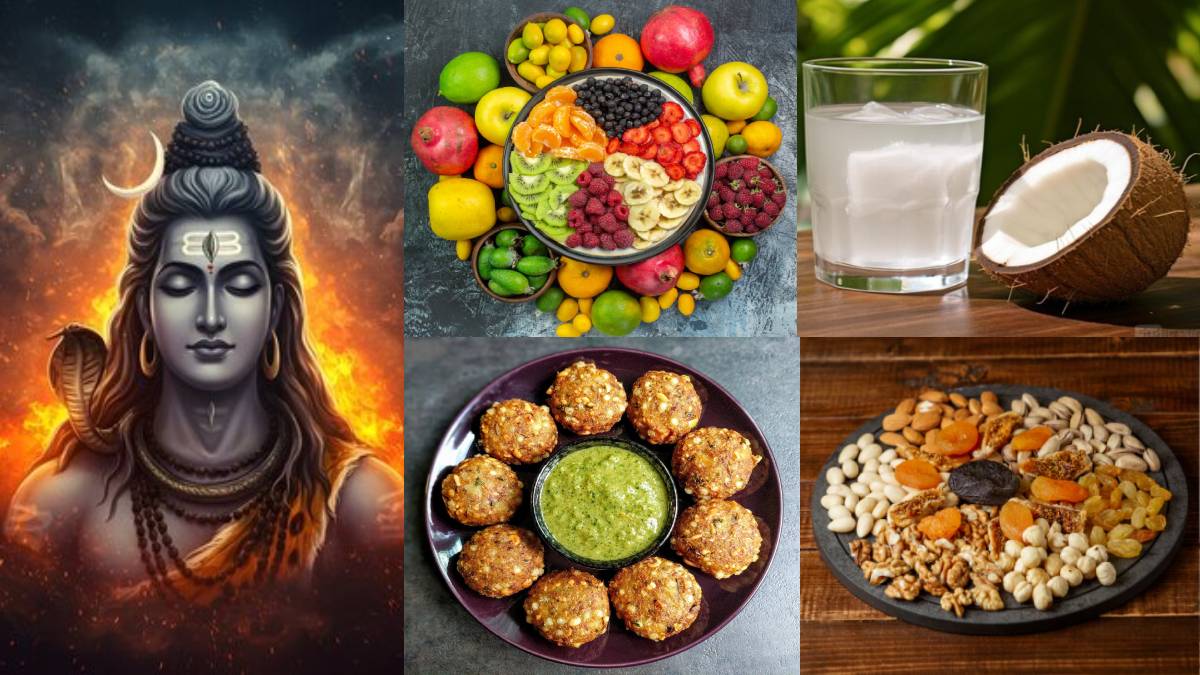
Shivaratri Fasting Rules
- Fast Types: Nirjala fast is non-food and non-water, Phalahar fast is fruits, milk and light food.
- Food Permitted To Use: Fruits, milk, dry fruits, coconut water, simple vrat recipes like sabudana khichdi or kuttu flour chapati.
- Food Not Consumed: Grains, pulses, rice, onions, garlic and non-vegetarian foods.
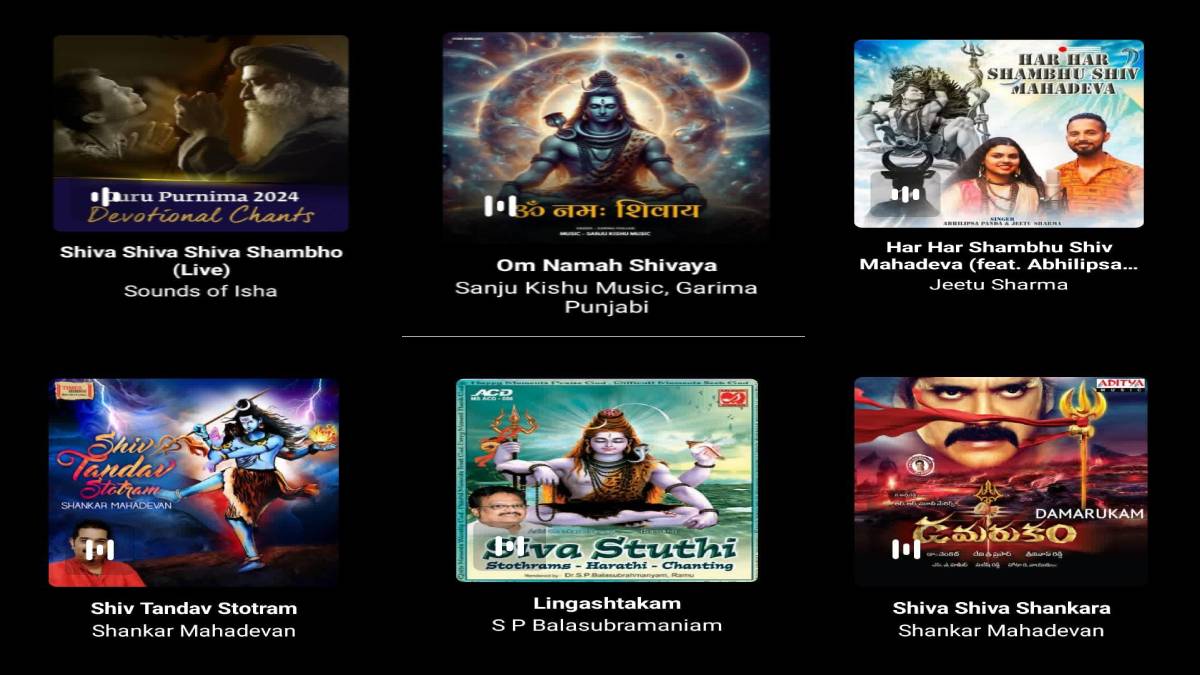
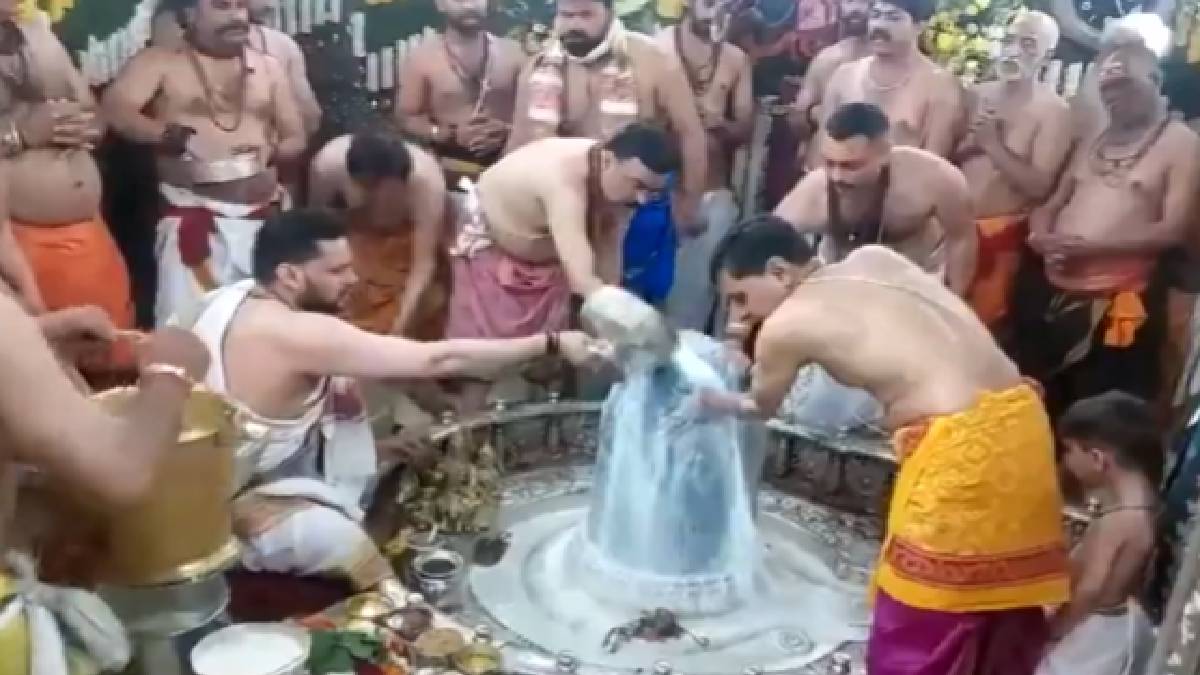
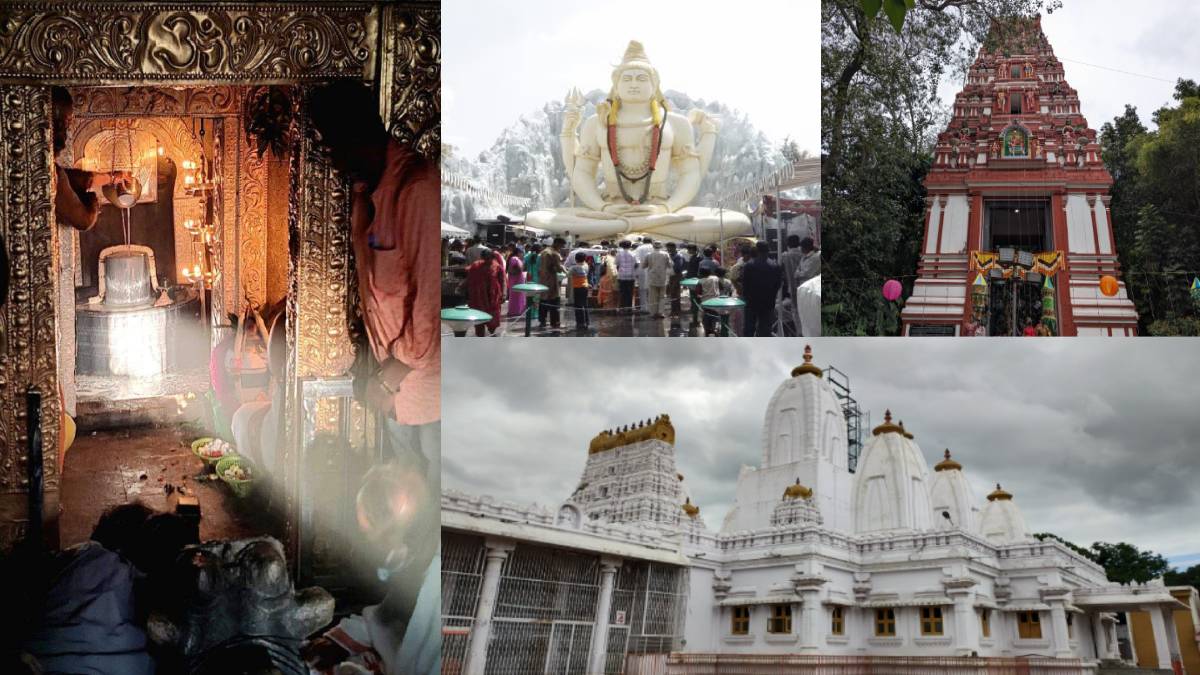
- Spiritual Discipline: In addition to food restrictions, devotees also spend the night chanting “Om Namah Shivaya,” visiting temples and undertaking abhishekam (ritual bathing of the Shiva Lingam).
- Breaking the Fast (Parana): After prayers, the fast is broken the next morning, often with light sattvic food.
Benefits Of Shivaratri Fasting
- Spiritual Development: Fasting as a sacrifice of both self-control and devotion for those who fast, to appease Lord Shiva, and not as a ceremony.
- Mental Peace: Chanting and meditation while fasting is also essential for stress relief as well as inner peace.
- Detox: Eating food that is light to put your digestive system in a good place allows the stomach to rest, so your body can detox naturally.
- Mind and Will: Be awake through the night and manage your cravings.
- Community Bonding: Temples serve as places of community bonding, bringing together families and communities through a shared religious faith.
Safety, Health & Fasting Tips
- Stay Hydrated: Stay hydrated with water, milk, or coconut water to avoid dehydration.
- Eat Light Foods: If not on a strict fast, eat fruits, or easy to digest light vrat recipes.
- No Overeating After a Fast: Gently break the fast with plain food to avoid any discomfort in your stomach.
- Listen to Your Body: People who are older, children, or people with health conditions should not fast rigorously but should opt for a lighter version.
- Rest: Use the practices of physical rest alongside spiritual practice, as they have been shown to support energy.
Shivaratri fasting is more than a ritual, it is a path to self-purification, devotion, and inner strength. By following the rules mindfully and taking care of health, devotees can experience both spiritual blessings and physical well-being.
ALSO READ












Comments