
India is home to many historic destinations but some are mostly under-visited; Sirpur is one such city in Chhattisgarh. It has been added to the World Heritage Tentative List recently as a place of temples, Buddhist monasteries, archaeological remains and religious coexistence.
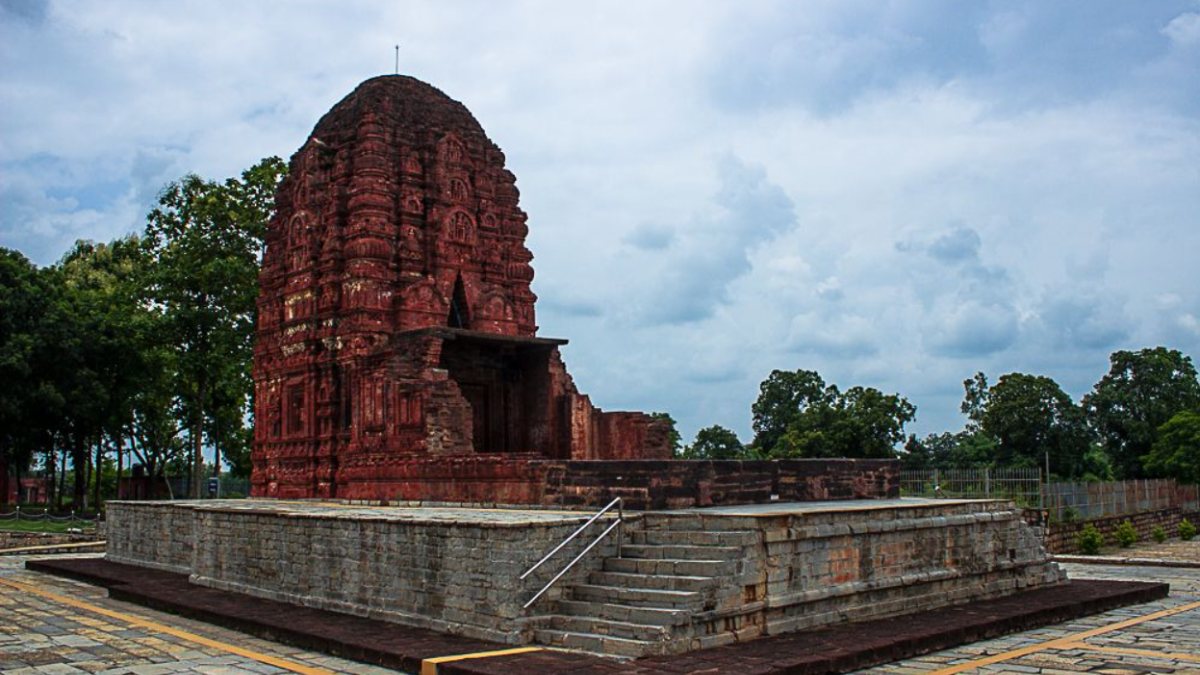
Sirpur is situated on the eastern bank of the Mahanadi River in Mahasamund district and is 78 km from Raipur, the state capital. Its inclusion in the tentative list is a step forward to World Heritage recognition. But it has not been officially designated as a UNESCO World Heritage Site yet.
Sirpur offers much to see for history, architecture, spirituality and places beyond India’s traditional tourist circuit.
1. Find out the historic Lakshmana Temple
One of Sirpur’s famous sights is the Lakshmana Temple, so-called a symbol of early medieval Indian temple architecture.
Built mostly of brick, the temple is known for its elaborate decorative details such as carved doorways and distinctive architectural design. It is generally dated to the 7th century and is one of India’s best-known brick temples.
The site gives visitors a chance to see the craftsmanship and construction methods used by artisans centuries back. Its surviving architectural features also help historians understand the development of temple design in central India.
For photography lovers and architecture lovers, the temple is one of the highlights of a visit to Sirpur.
2. Go into the Buddhist Monasteries of Ancient Sirpur.
Sirpur was once a center of Buddhist learning and religious activity. Monastery complexes (called viharas) and other Buddhist remains have been unearthed in archaeological excavations.
Anandaprabhu Kuti Vihara and the Swastik Vihara are some of Sirpur's great Buddhist history sites. These remains give some insight into the religious and intellectual life of the settlement.
Monasteries were more than places of worship. They could be places for teaching, meditation and community life. Their presence in Sirpur reflects the town’s historical importance as a place where different religious traditions developed alongside each other.
Visitors interested in Buddhist history might be able to access these remains to understand a less-known chapter of India’s spiritual heritage.
3. Witness the coexistence of Hindu, Buddhist and Jain Traditions
One of Sirpur’s most striking features is the presence of monuments associated with Hinduism, Buddhism and Jainism in the same historic urban landscape.
The archaeological remains are Hindu temples, Buddhist monasteries and Jain religious structures. They represent centuries of religious activity, artistic exchange and cultural interaction.
The Gandheshwar Temple is another ancient temple that is associated with Shiva worship and situated close to the Mahanadi River. The whole archaeological landscape also contains the remains of other temples and religious buildings.
This diversity makes Sirpur especially interesting for travellers who want to know how different communities and traditions shaped India's historical towns.
4. Step Back into an Ancient Trading and Administrative Centre
Sirpur, which is also known as Shripura or Sripura, was one of the city centres in the ancient Dakshina Kosala and served as its capital under different kings and also the Mahanadi River.
Archaeological evidence points to a settlement that included religious monuments, residential areas, market remains and administrative structures. Crafts and commercial activity also tells us about the economy of the inhabitants.
The remains show that ancient Sirpur wasn’t just a collection of temples. It was a living settlement; governance, trade, religious institutions and everyday life was all connected.
It would help to explore the site from the perspective of how early medieval towns in central India were organized.
5. Honor Ancient Brick and Stone Architecture.
Sirpur is notable for the variety of construction techniques and architectural styles found in its monuments.
Lakshmana Temple is known for brick construction and other surviving structures have stonework and carved architectural features. What are the differences indicates how builders adopted materials and techniques to different structures and purposes.
Decorative carvings, temple layouts, courtyard and monastery courtyards and other surviving features give insight into the skills of artisans who worked in the area over centuries.
Sirpur also tells the story of the fight going on to protect the archaeological structures from weathering and the effects of time.
6. Enjoy the Riverside setting and surrounding landscape.
Sirpur's location on the Mahanadi River adds another dimension to the experience. The riverine setting was part of the city's historical environment and was a consideration for the settlement.
A quieter atmosphere for the surrounding area of the world is much more comfortable for tourists than many of these more crowded tourist spots.
There are also natural attractions in the wider area like Barnawapara Wildlife Sanctuary in the broader region. Travelers planning a longer journey may include regional nature and wildlife destinations as part of the itinerary and they may go to regional nature and wildlife destinations if they can travel long routes and the conditions are right for this with current conditions.
Visitors should respect the structures that are designated for them, follow local guidelines of which they should be observed and do not damage or take away historical materials from the site like it is any archaeological site.
7. Get to know why Sirpur is on UNESCO’s Tentative List
Sirpur’s entrance into UNESCO’s World Heritage Tentative List in September 2026 has made it more aware of its historical significance.
The nomination, a Sirpur Cultural and Archaeological Landscape, highlights the site’s significance as a cultural exchange centre of the early medieval period, religious diversity, trade and architectural development.
UNESCO's tentative-list process is an initial step in the World Heritage nomination journey. It means a country intends to consider a site for possible nomination, but inclusion does not automatically imply World Heritage status.
The next steps require detailed documentation, a good demonstration of the outstanding universal value of the site and conservation and management arrangements.
Sirpur’s nomination is centered on the way that its temples, monasteries, market remains and other archaeological features form part of a connected historic landscape and not as isolated monuments.
What is the best time to visit Sirpur?
The cooler months (October to March) are usually more comfortable for exploring outdoor archaeological sites in Chhattisgarh. The temperatures are high in summer so long sightseeing can be tiring.
Travellers should look at local weather and weather forecast, site access conditions, and any conservation-related restrictions before going on their trip. It is also important to confirm travel and accommodation options in advance, especially when travelling during festivals or peak holiday periods.
How to Reach Sirpur
Sirpur is situated in Mahasamund district, about 78 kilometres from Raipur. Raipur is the main transport centre for visitors from other parts of India.
Travellers can travel to Raipur by air, rail or road and then travel to Sirpur on a road. Local transport arrangements should be confirmed before departure, especially for visitors who want to visit several archaeological sites in one day. If the monuments are scattered throughout the archaeological landscape, having enough time to travel between sites can make the whole thing more comfortable.
Why Sirpur deserves a place on your travel bucket list?
Sirpur combines ancient architecture, archaeological discoveries, religious diversity and a riverside setting in one destination. Its temples and monasteries tell stories of a historic town that played an important role in the cultural and political life of central India.
Its recent addition to UNESCO's Tentative List also presents an opportunity to bring more attention to the region's heritage and strengthen efforts to preserve it.
Sirpur is a good place for those who enjoy searching for historical places beyond the tourist spots and are interested in history; it is a place of architecture and spiritual past and Chhattisgarh’s quieter side.
We are still in the process of making a bid to achieve UNESCO World Heritage recognition and we need to be responsible with our tourism and conservation of Sirpur’s history to make it accessible to future generations.






Comments
Leave a Comment