
Travel habits are changing and 2027 could bring some unusual holidays into the holiday industry. Instead of itineraries based around famous attractions, hotels and sightseeing travellers are showing interest in holidays which reflect their personalities, moods hobbies and curiosity.
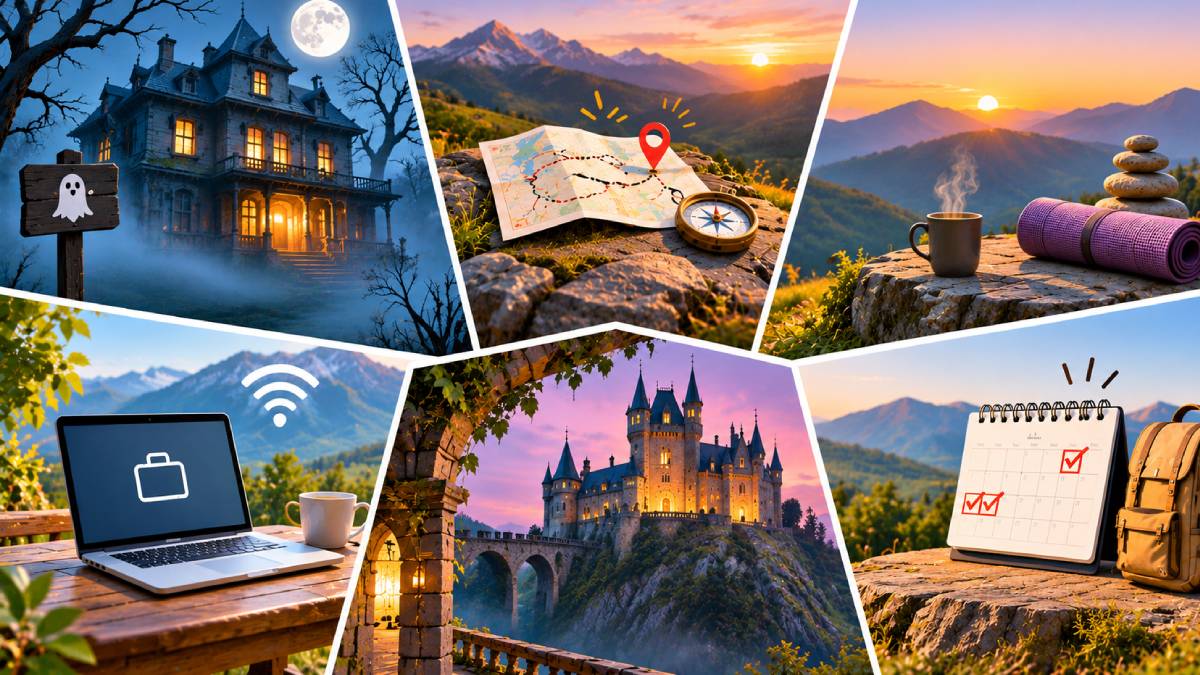
From going to haunted places and choosing destinations based on emotional needs to spontaneous trips and artificial intelligence helping people manage work responsibilities during holidays travel companies are finding several unconventional preferences.
Booking.com, Expedia and other travel industry sites report that travellers could try new ways of exploring the world in the coming year.
Here are six unusual travel trends that will be noticed in 2027.
1. Paranormal tourism: travelling to meet the unknown.
Ghost tourism and supernatural experiences could become a major draw for travellers looking for something other than sightseeing.
Instead of going to the touristy monuments, beaches or museums some holiday makers are interested in haunted buildings; historic locations linked to mysterious stories; paranormal investigations and experiences connected with the afterlife.
Booking.com’s 2027 Travel Predictions survey showed that 65% of travellers were interested in trips with paranormal experiences and nearly half (48%) said they would be interested to seek an experience involving communication with someone who is dead.
Such experiences can be ghost walks led by a guide, visits to supposedly haunted places, historical night tours or stays in properties where mysterious stories have taken place.
The increased interest does not necessarily mean travellers believe in supernatural activity. For some it is history, storytelling, suspense and the chance to do something different.
2. Plot-Twist Trips: Choosing Holidays That Surprise Everyone.
This book is about holiday choice and how to choose holidays that surprise everyone. The author takes the reader through a number of different examples showing how people have chosen holidays which surprise them or which they didn’t expect to like so much.
Another unusual trend we’re expecting in 2027 is holidays that deliberately break with a person’s usual travel patterns.
Booking.com calls this a ‘Plot-Twist Trip’. The idea is to pick a destination or experience that friends and family (or the traveller themselves) wouldn’t expect.
Someone who usually goes on luxury beach holidays might go to a remote mountain destination. Someone who likes peaceful sightseeing could try an adventurous activity or something completely unfamiliar cultural experience.
77% of global travellers surveyed by Booking.com said they would choose a holiday specifically to do something totally out of character.
It’s a trend that speaks to the increasing need to escape from routine and create memorable experiences rather than choosing the same old place over and over again.
It might also motivate people to do activities they have not considered outside their comfort zone before.
3. Mood-based travel: Choosing destinations based on how you feel.
What if travellers picked where they next went based on their emotional state rather than a destination?
Mood-based travel will be on everyone’s radar in 2027 as holidaymakers seek out experiences that reflect how they want to feel.
81% of travellers surveyed by Booking.com in 2027 would choose a destination because they wanted to feel a certain way, not where they wanted to go.
This could change how people plan holidays.
Someone who’s worked all day might want a quiet countryside retreat. A traveller seeking excitement might choose an adventure destination; someone emotional might choose a coastal escape or wellness retreat.
Travel platforms could increasingly use AI and personal preference tools to suggest destinations based on mood, interests and expectations of travel.
The trend is also part of a wider movement towards personalised travel (where experience counts as much as location).
4. AI-Powered Holidays: Let Technology Do the Work. AI holidays?
The technology is there to make your holiday run smoothly and comfortably.
AI is starting to influence travel planning but it could go beyond finding flights, hotels and itineraries.
One idea is using AI tools and digital assistants to manage work responsibilities while people are on holiday.
64% of travellers surveyed by Booking.com in 2027 would be interested to have an AI agent manage their work while they are away (the report also found that 44% would use the arrangement to take a second day off).
The concept is particularly important to people who are not able to disconnect from work during holidays.
AI tools could be used to organise emails, summarise messages, prepare routine updates and some administrative tasks (permissions & systems available).
But that doesn’t mean every workplace will allow AI agents to take on employees’ jobs. Data privacy, workplace policies, security and human oversight will still be important factors.
The wider trend is about how technology could change the relationship between work and leisure (and therefore give some travellers more time away uninterrupted).
5. Gothic Getaways: Holidays With Dark and Dramatic Atmosphere.
Traditional holidays are about sunshine, open spaces and relaxing surroundings. But some travellers are interested in destinations with darker architecture, mysterious histories and dramatic settings.
Gothic getaways are going to be hot property in 2027 especially with people who love historical buildings, atmospheric hotels and quirky accommodation.
Expedia’s Unpack ‘27 travel report states that Gothic Getaways are an emerging travel preference.
These holidays might involve staying in castles, old mansions, atmospheric boutique hotels and properties with antique interiors, dark corridors and quirky architecture.
Places with medieval streets, mysterious legends and historic buildings may also be attractive to this audience.
The trend is not scary experiences necessarily. For many travellers it’s about architecture, history, design and the chance to experience a setting that feels different from your average hotel holiday.
6. Trip Snacking: Taking several short holidays instead of one long vacation.
Not every holiday has to be for a week or more. Another travel trend we think will be talked about a lot is ‘Trip Snacking’ taking frequent short breaks instead of saving all travel plans for one major annual vacation.
Hotels.com has described this behaviour as a new travel trend (people who want flexible and short trips).
A trip could be staying one night in a nearby city; going on weekend break in the mountains or visiting a destination for a short cultural experience.
That may be particularly appealing to people who don’t have much annual leave, busy work schedules or small travel budgets.
Instead of waiting months for a long holiday, travellers can plan shorter breaks throughout the year.
But frequent travel still requires transport, accommodation and other costs. How affordable this is depends on budgets and destination choices.
What Do These Travel Trends Mean for the Tourism Industry?
The emerging travel preferences suggest that the tourism industry needs to provide more personalised and experience-focused holidays.
Hotels, travel agencies, online booking sites and destination operators could all benefit from packages designed around specific interests rather than just sightseeing itineraries.
Accommodation providers could investigate themed stays and travel platforms could give better recommendations based on travellers’ interests and emotional preferences.
Shorter holidays may also spur tourism businesses to create flexible packages for weekend visitors and spontaneous travellers.
On the other hand, the growing interest in lesser known destinations may also open up opportunities for smaller tourism markets. Responsible planning will be needed to ensure that local communities and environments are not adversely affected by sudden increases in visitor numbers.
Conclusion
Travel in 2027 will be more personal, unconventional and experience-driven. Paranormal tourism and unexpected adventures to Gothic accommodation, mood holidays and AI work management travellers seem interested in experiences beyond vacations already!
These trends are based mostly on travel industry surveys and forecasts so they should be seen as indicators of changing preferences not guaranteed outcomes.
One thing is clear: the idea of what makes a perfect holiday is becoming individualised. For some it’s going to a haunted house; for others an overnight escape spontaneously or a quiet retreat chosen according to their mood.



Comments