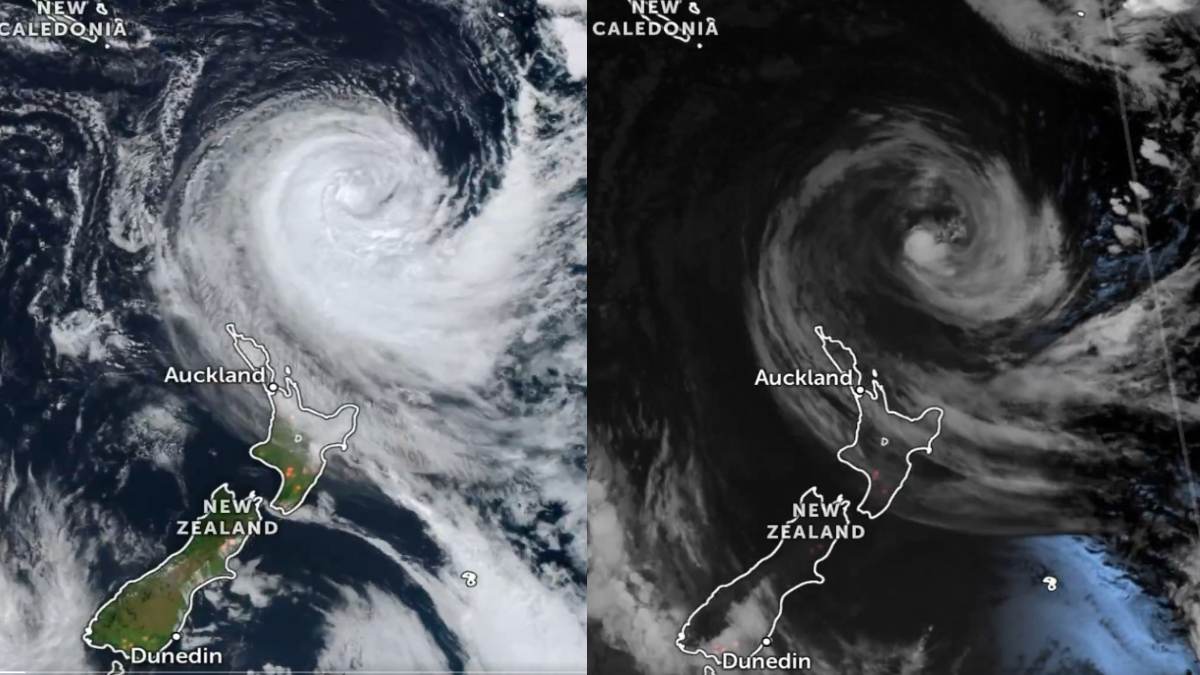
The world is a beautiful place where there are many interesting places, cultures and extraordinary records. A place with one of the longest official geographical names ever recorded on Earth one of those is a hill in New Zealand,
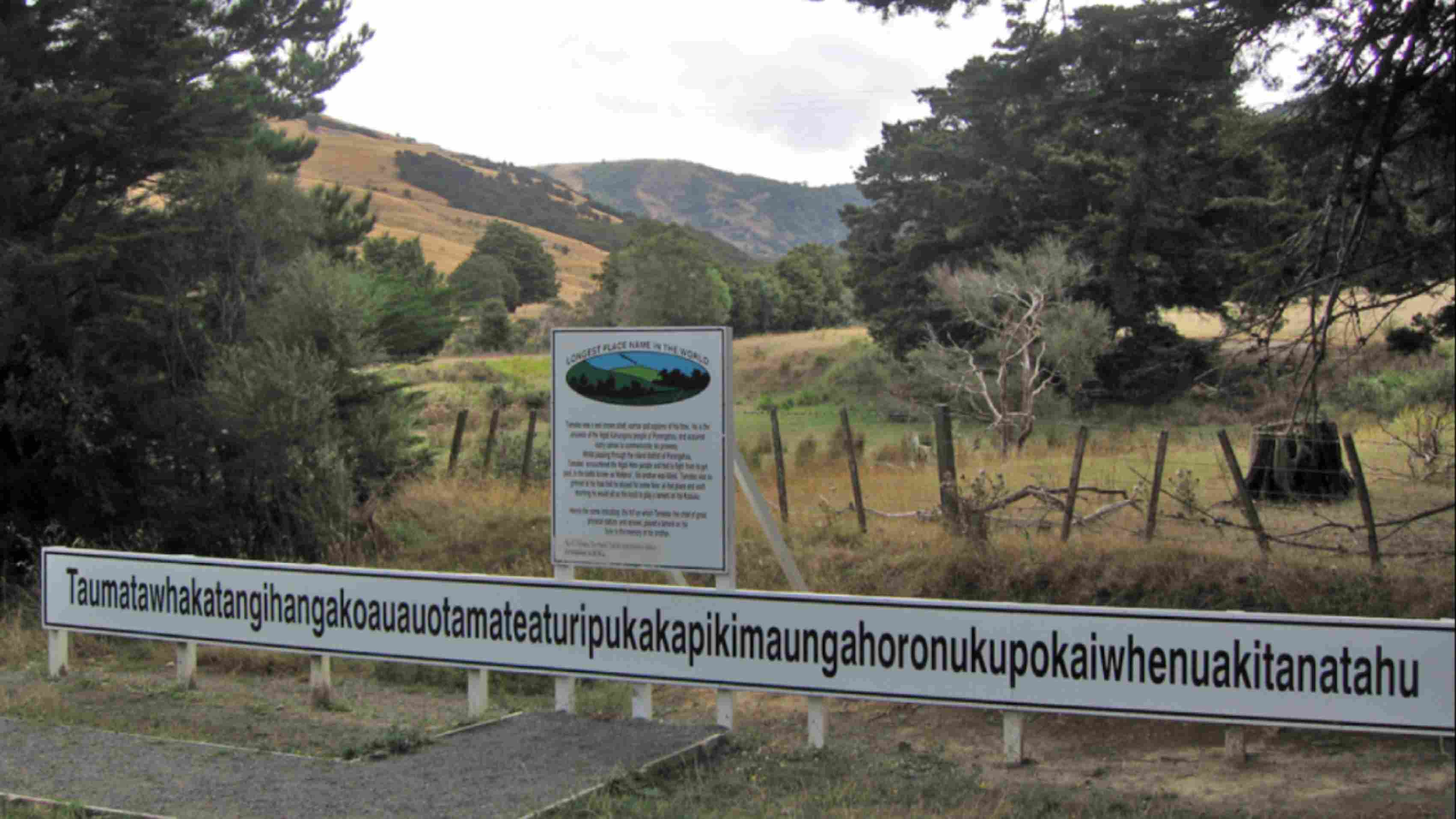
where an outstanding Māori name Taumatawhakatangihangakoauauotamateaturipukakapikimaungahoronukupokaiwhenuakitanatahu is the most unusual place name. By 85 letters that has become known worldwide and is often included on lists of unusual world records.
The hill is also a mouthwatering curiosity in the Hawke's Bay area of New Zealand's North Island, but it is much more than that - it has a lot of cultural and historical significance and is Māori heritage. Many people know it as "Taumata" simply because it is so much more than that for convenience and it is a poetic story that has been written down over generations.
The name is usually translated into English as:
"The summit where Tamatea, the man with the big knees, the climber of mountains, the land-swallower who traveled about, played his flute to his loved one."

Although the translations are somewhat different, all of them describe the great Māori explorer and warrior Tamatea who is said to have paused on the hill after a battle to mourn the loss of his brother. And in the local mythology, Tamatea played his koauau, a traditional Māori flute as a tribute. The hill's long name is a lasting memory of that emotion.
Unlike very modern place names that are short and practical, traditional Māori names are descriptive in nature. Rather than identifying a place with one word, they preserve stories, historical events, geographical features, and cultural memories. That storytelling tradition is one reason why some Māori place names are exceptionally long.
The hill is now a popular roadside attraction for tourists in New Zealand. A sign with the whole name attracts people from all over the world who stop to see it, try to pronounce it or simply admire one of the most unlikely place names in the world. A lot of travelers think it’s a bucket list place, particularly geography, linguistics or world records.
Pronouncing the full name is no easy task. Even fluent English speakers have a lot of trouble with the length and the pronunciation in such a long, hard-to-pronounce name. Of course, in the Māori language all the syllables are well-known to the native speakers, so every syllable follows the same rules of pronunciation and it’s easier to understand when it comes to pronunciation for native speakers than for people who don’t speak fluent English. Visitors are welcomed to learn at least a few syllables as a sign of respect to the Māori language and culture.
Although this 85-letter name is often called the world's longest place name, sometimes there are arguments as to whether it is unofficial or to use other spellings. Still the New Zealand hill is the most well known and formally recorded long geographical name used on maps and road signs.
Long place names are not unique to New Zealand. There are all around the world long geographical names, too, villages in Wales and cities in Thailand. But few have such long names that convey such a deep historical meaning. The Māori name was not invented for novelty; indeed it is a very powerful cultural story.
The hill’s global popularity has also helped raise awareness of Māori heritage and language. In recent decades, New Zealand has increasingly prioritized the preservation and revitalization of the Māori language, te reo Māori. Long-standing traditional place names such as this one are important in celebrating Indigenous history and educating the visitor on the country’s cultural identity.
Social media has only helped to heighten the prominence of the hill. Videos of tourists trying to pronounce the name go viral, bringing millions of people into the picture. Most people have come to see the place for the sake of its length; rather than the history and traditions of such places, they come out more understanding.
Taumatawhakatangihangakoauauotamateaturipukakapikimaungahoronukupokaiwhenuakitanatahu is far more than an 85-letter geographical curiosity. It is the story, culture and cultural richness and the long-term legacy of Māori people. The name reminds us places can hold history just as well as books, monuments and museums.
For travelers, language lovers and fans of unusual world records this exceptional hill is still one of the most fascinating places on earth suggesting that the longest names tell the most fascinating stories.