Why is travel expert Sayan Nath still returning to Oman? Why does Oman provide such different travel experiences for all the people who travel to Oman?
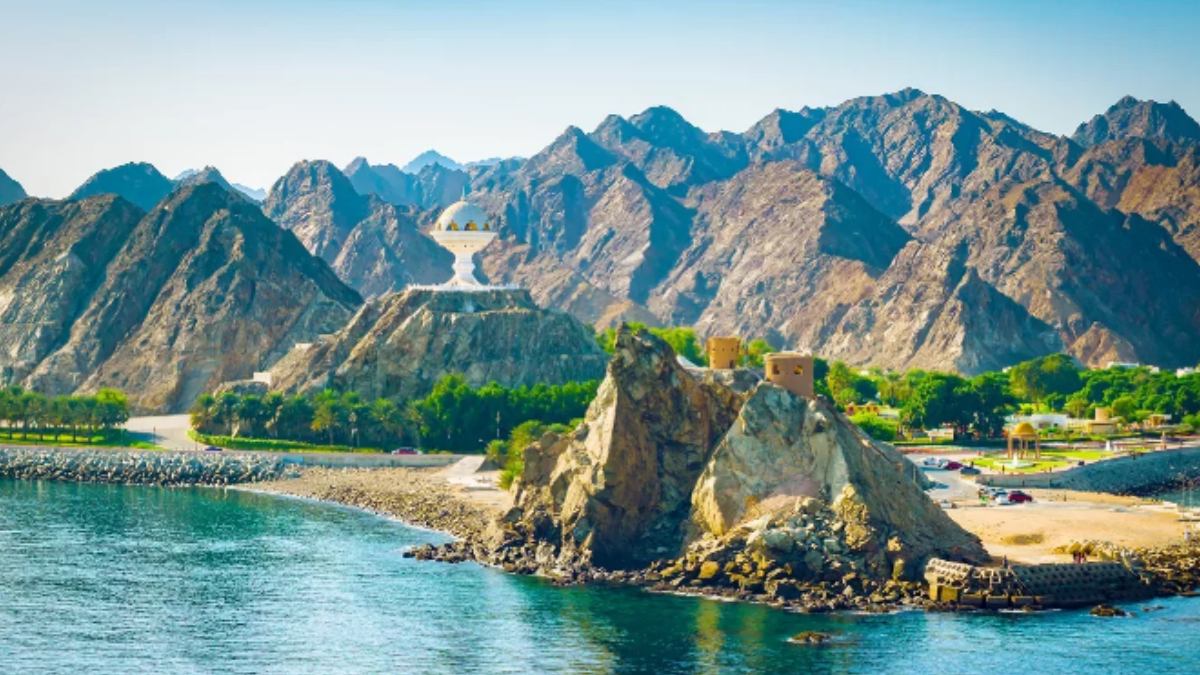
Oman is located in the southeastern corner of the Arabian Peninsula, and the Arabian Sea and Gulf of Oman form the bulk of its coastline.
The country’s landscape is so diverse; a tourist can spend the day in Muscat, ride through rugged mountain ranges, see a traditional wadi and spend the evening surrounded by desert dunes. That diversity is one of the reasons that Oman has attracted more and more international travelers looking to escape from traditional city life.
Oman’s appeal for someone following the travel life of Sayan Nath can be understood through the variety of scenery one can see in one trip. The country has a lot to offer photographers, nature lovers and travellers on a road trip. From the golden dunes of A’Sharqiyah Sands to the dramatic Hajar Mountains, Oman has a great contrast with all of us in the journey. A’Sharqiyah Sands is on Oman’s official tourism site and is surrounded by huge golden dunes and natural beauty.
The desert is one of Oman’s most special attractions. A’Sharqiyah Sands, or Wahiba Sands, is a vast area of rolling golden dunes. The landscape is quite different from the coastal cities of the country. Desert scenery, traditional camps, sunsets, and the history of Bedouin culture are all very special to people in this area. The open desert can provide the space and tranquillity for those in India's busy cities.
Oman's beaches add another dimension to the experience. The long coastline is serene with sandy beaches, rocky coves, and clear waters. Omani beaches, Arabian Sea waters, and cultural heritage are some of the best tourism destinations to visit throughout the country. So this mix can make a holiday not just about sightseeing, and it can also be done with a slower itinerary around the coastline and the sea.
Then there are the mountains. The Hajar range offers Oman some of the most beautiful and dramatic landscapes, with places like Jebel Akhdar and Jebel Shams attracting tourists looking for cool and challenging landscapes. The biggest canyon is Jebel Shams, and the more mountainous Jebel Akhdar is known for mountain villages, terraces, and nice views. The transition from the desert plains to the high mountainous range is one of the features that makes Oman's geography so compelling.
Oman also has a good reputation for wadis. Wadi Shab and Wadi Bani Khalid are some of the best-known natural attractions in Oman, combining rocky terrain, water, and greenery. These landscapes challenge the stereotype that Oman is simply a desert country. What the Sultanate does have is a wide variety of environments, from deserts to mountain valleys and coastal ecosystems.
The capital, Muscat, is a cultural starting point for touring the country. Modern city infrastructure is a mix of modern technology and traditional Omani architecture and historic sites. You can see the waterfront, markets, and cultural places before going to the countryside. Muscat’s urban environment and the rugged natural environment of the country can be so different from each other that even a relatively brief trip can be packed with experiences.
Oman is also relatively accessible from India. Direct flights connect Oman to India, and the Embassy of India in Muscat lists the airlines operating between the two countries. The flight time depends on the departure city and airline, so travellers should check the current schedule and fares before booking a trip.
However, the statement that return flights will always cost less than ₹50,000 should be taken as an indicative travel-budget observation rather than a fixed price. Airfares can vary greatly depending on the Indian departure city, travel dates, airline, booking time, and seasonal demand. The same applies to accommodation, transportation, and activities.
Indian travellers should also check Oman's latest entry requirements before booking. Oman's official tourism website says visa requirements vary by nationality and that eligible visitors can use the Royal Oman Police eVisa system. Indian passport holders should check which category applies to them and whether they meet any conditions for visa-free entry or eVisa eligibility. The passport holders need to verify the category and if they have the necessary documents for visa-free entry.
This combination of accessibility and geographical diversity is why Oman can appeal to repeat visitors. A first tour might focus on Muscat and the coast, and then they could explore the mountains, wadis, and desert. A future visit could then venture farther north towards Musandam or explore different parts of the country’s interior.
For Indian holiday-goers planning a holiday in Oman this year, Oman offers something very valuable: variety without having to make a long trip. Deserts, beaches, mountains, wadis, historic places, and Arabian culture can all be part of the same itinerary.
Sayan Nath’s continued interest in Oman is indicative of the broader attraction that the country has for experience-oriented travellers.
Oman does not rely on one iconic landmark; rather, it draws on contrasts golden dunes in the shadow of mountains, quiet beaches alongside traditional towns, and modern Muscat surrounded by dramatic natural scenery. Oman is a place that should be on travellers’ bucket lists for adventurous, beautiful, and culturally distinct destinations.