Delhi’s electric vehicle push has gained momentum with electric two-wheeler registration rising by 30% and 382 charging stations getting approved in the first three months of the city’s ambitious Electric Vehicle Policy.
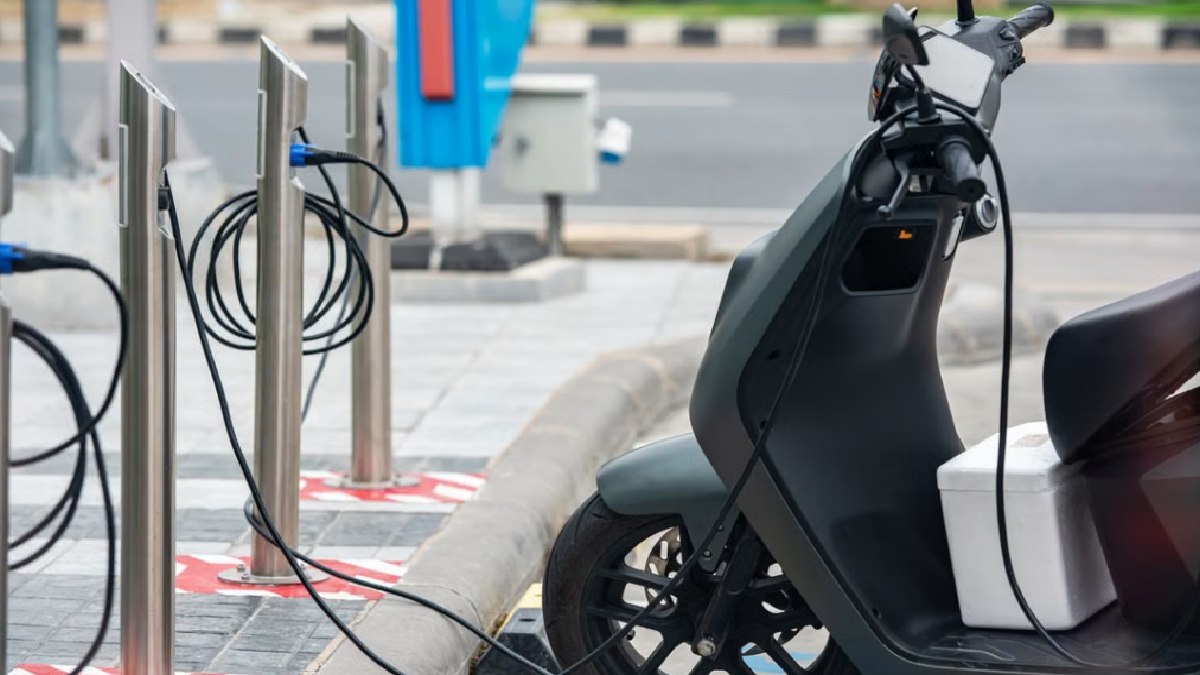
The efforts are a first step towards the long-term goal of the city to bring electric mobility to the city and to develop the infrastructure to build a more widespread electric vehicle ecosystem.
The policy was announced on July 1 and aims at making Delhi one of the leading electric vehicle markets in India.
One of its main targets is to achieve at least 30% electrification of Delhi’s vehicle fleet by 2030. To achieve that goal, incentives for EV adoption will be merged with measures to expand charging infrastructure, encourage vehicle scrapping and promote battery recycling.
Electric two-wheeler registrations are now on the rise in Delhi due to the fact that scooters and motorcycles are the backbone of daily urban transportation in the city. Electric two-wheelers can help consumers to change from daily petrol-based vehicles and can also help in the wider transportation movement towards clean mobility.

There is an increase of 30% in electric two-wheeler registrations.
The most dramatic result since the introduction of the policy is the 30 percent increase in electric two-wheeler registrations. This is a result of increased consumer interest in electric mobility and comes at a time when manufacturers are expanding their electric scooter offerings at various price points.
Electric scooters are being taken on a daily basis for commuting because of their low running costs and availability of urban travel. In the case of petrol vehicles, charging stations are crucial.
The approval of 382 charging station sites is therefore an important element of Delhi’s EV strategy. A wider charging network can help overcome the issue of charging accessibility and make electric vehicles more practical for the majority of people who use them to commute.
382 Charging Sites Approved
Hundreds of charging station locations are approved under the EV policy and this is a major infrastructure step. The EV ecosystem needs to offer charging facilities to the public as it grows beyond early adopters and into residential areas and commercial areas along major transportation routes.
The charging network is expected to support electric scooters as well as many other types of electric vehicles. If the number of EVs on Delhi’s roads increases, then charging infrastructure will become more and more important to keep people comfortable day-to-day.
The policy’s infrastructure focus goes beyond charging stations. It also covers plans and measures related to vehicle scrapping and battery recycling. These are to address the various stages of electric vehicle adoption and charging to eventual disposal and recycling.
KPMG was appointed as Project Management Unit.
Another major development in the first 3 months of the policy has been the appointment of global consultancy KPMG as the Project Management Unit, or PMU. The PMU is expected to play a role in supporting the implementation and monitoring of the EV policy.
Having a project management structure can help coordinate the various aspects of the programme together, as the transition to electric mobility involves more than one government agency, vehicle manufacturers, charging operators, and consumers.
The policy is also dependent on incentives and mandates. Financial and other incentives can encourage consumers to buy electric vehicles but regulatory measures can help accelerate adoption across all vehicle categories and parts of the transportation ecosystem.
Delhi’s 2030 EV Target
The policy is to ensure that by 2030 at least 30% of the vehicle fleet in Delhi is electric. To achieve that goal, the system needs to see an increase in EV registrations and more significant investment in charging.
The early increase in electric two-wheeler registrations provides an early indication of the changing mobility landscape in the capital. To achieve the 2030 target, however, the momentum will take time to develop over a few years.
Such infrastructure will play a key role in that work. More charging locations will make ownership of EVs easier, and scrapping and recycling systems can assist in creating a more holistic electric mobility ecosystem.
Delhi’s experience may also be a model for other major Indian cities that want to make use of electric vehicles. With cities in a state of acute transportation and environmental crisis, policies which use consumer incentives and infrastructure development and regulation must be integral in order to increase the adoption of electric mobility.
So by having electric two-wheeler registrations growing by 30% and hundreds of charging sites approved in Delhi, Delhi’s EV policy has already made a significant start. The challenge is to keep it going and convert early momentum into sustained electric vehicle adoption through 2030.