India’s ethanol-blending programme is being under renewed scrutiny from vehicle owners concerned about engine damage, but the Centre has attempted to calm these fears with an exhaustive, point-by-point response.
The petroleum and natural gas ministry had a ten-point clarification on July 3 addressing social media claims about excessive water use and engine damage, environmental risks and fuel safety associated with E20 petrol and said that the programme is based on scientific evidence and extensive testing and has global precedent.
The focus of motorists concerns are cars that were built before April 2023 (when E20 compatibility was mandatory for new cars).
The Union minister Nitin Gadkari has already told Parliament that government-backed research shows no major performance issues or component damage from the 20 percent ethanol blend and has ruled out any need to phase out older, non-compliant cars.
Cars sold before April 1, 2023 were built for E10 and those that are sold after that are built for E20, even though they were not originally designed for it.
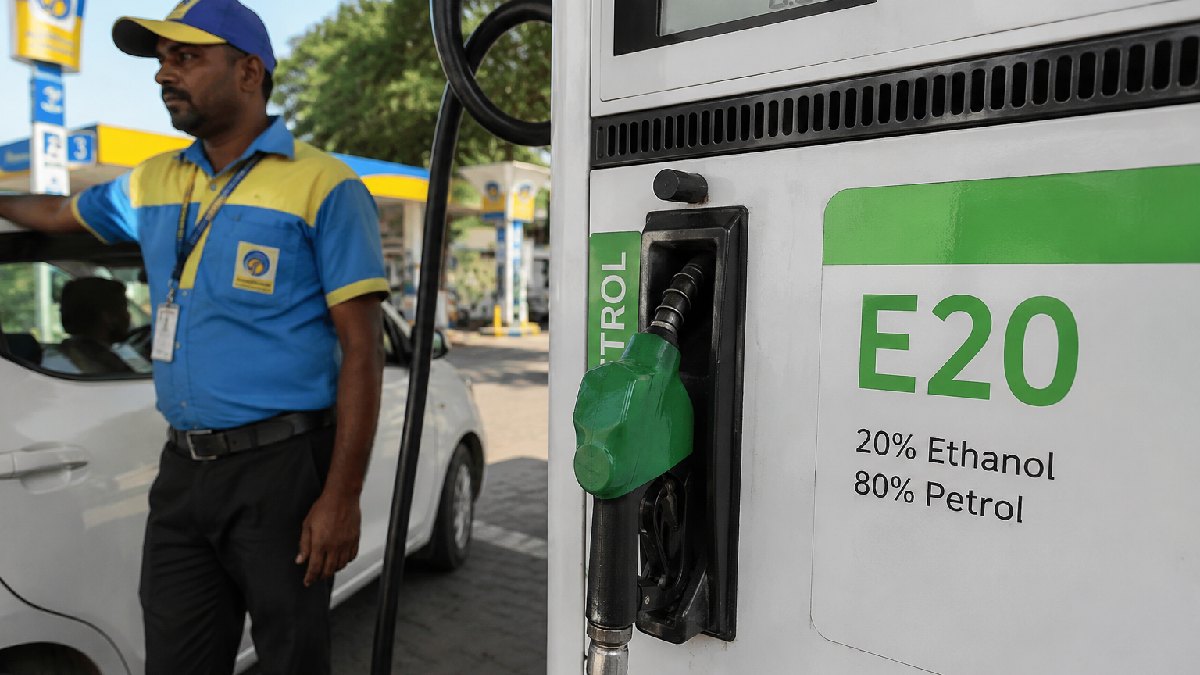
Independent testing corroborates this. In a SIAM-organized event, Rajnath Ram, NITI Aayog energy adviser, said Indian vehicles have shown no abnormal wear and tear from E20 use after 100,000 kilometres.
The ministry has also noted that Automotive Research Association of India trials of about 40,000 km of passenger vehicles back up the safety findings.
On mileage, likely the most common complaint from drivers, officials have been careful not to overstate the effect. The government’s position is that any drop in fuel efficiency from E20 is marginal and outweighed by other benefits, namely energy security, lower oil imports and lower carbon emissions.
Industry estimates suggest a fuel-efficiency reduction of about 1 to 2 percent in vehicles designed for the blend and older, uncalibrated vehicles might experience a somewhat larger drop depending on engine condition and maintenance not the dramatic falls some viral posts have claimed.
The government also dismissed several fringe claims that had gained traction online. It dismissed videos purporting to show sugarcane juice being mixed directly into petrol as hoaxes and rejected the notion that E20 attracts ants or insects as fuel-grade ethanol is distilled to remove residual sugars and contains denaturants that actually repel pests.
Questions about water entering fuel tanks were also dismissed, with officials citing security features in modern vehicles and retail fuel systems.In addition to vehicle safety, the ministry presented the programme as a national economic win.
The blending programme has saved more than Rs 1.9 lakh crore in foreign exchange, distributed more than Rs 1.6 lakh crore to farmers and cut carbon dioxide emissions by about 930 lakh metric tonnes, and displaced more than 310 lakh metric tonnes of crude oil imports since 2014-15.
India achieved a 20 percent blending target in December 2025, well ahead of schedule (up from around 1.5 percent in 2013-14).
In the event that owners of pre-2023 cars that still worry about switching fuels feel anxious to do so, the message from officials is clear: regular servicing, not fuel avoidance, is the best way forward (and no compensation scheme or mandatory retrofit programme is currently being considered).