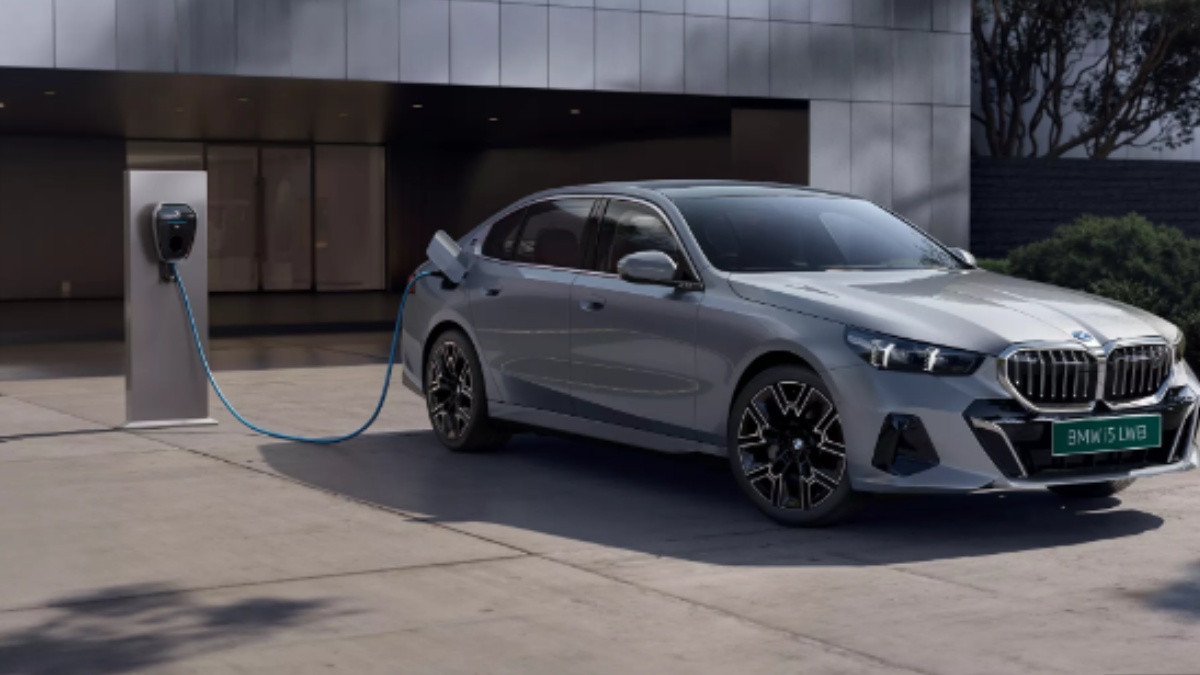
The government has said that ethanol-blended petrol has not been approved for rollout and is still being tested. The government rejected claims that a 25% ethanol blend has already been completed, saying that higher ethanol blends are to be decided only after thorough scientific analysis.
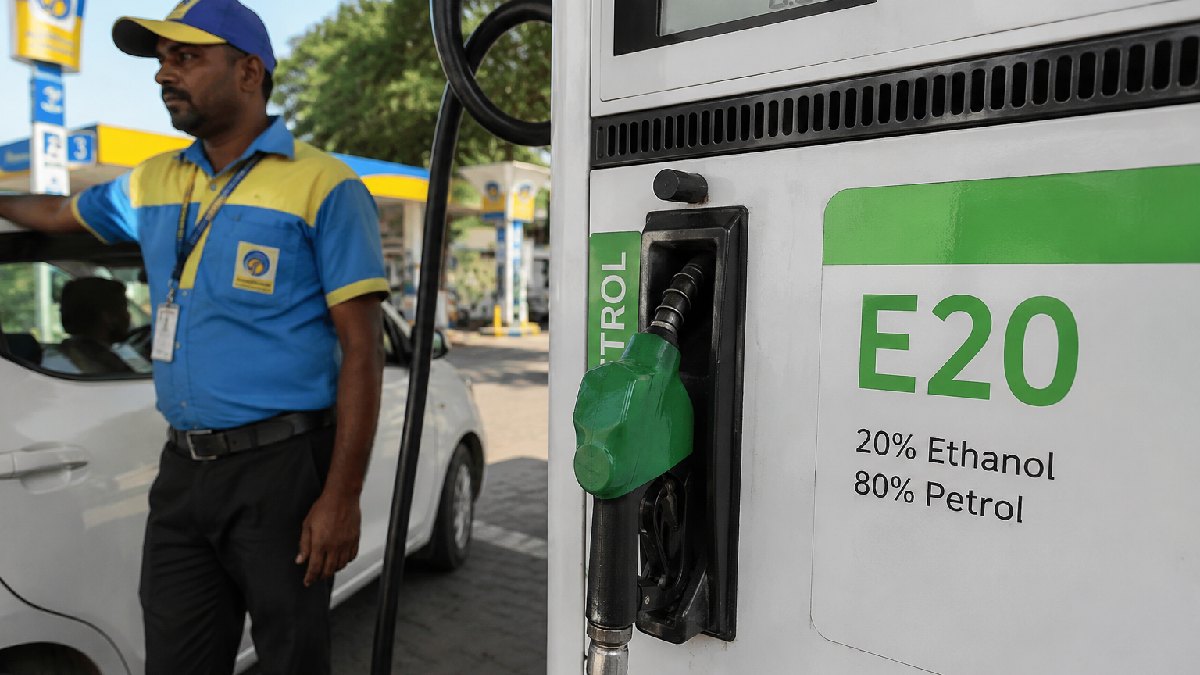
Government officials said that reports that E25 had been scheduled for implementation were absolutely false.
"How can E25 be scheduled when testing itself is still underway?" a government source said, adding that compatibility tests are being carried out across multiple vehicle brands and models.
According to officials, the testing is to evaluate engine performance, vehicle safety, fuel efficiency and long-term durability before any policy decision is made.
E20 Has Been Running Safely for More Than Two Years
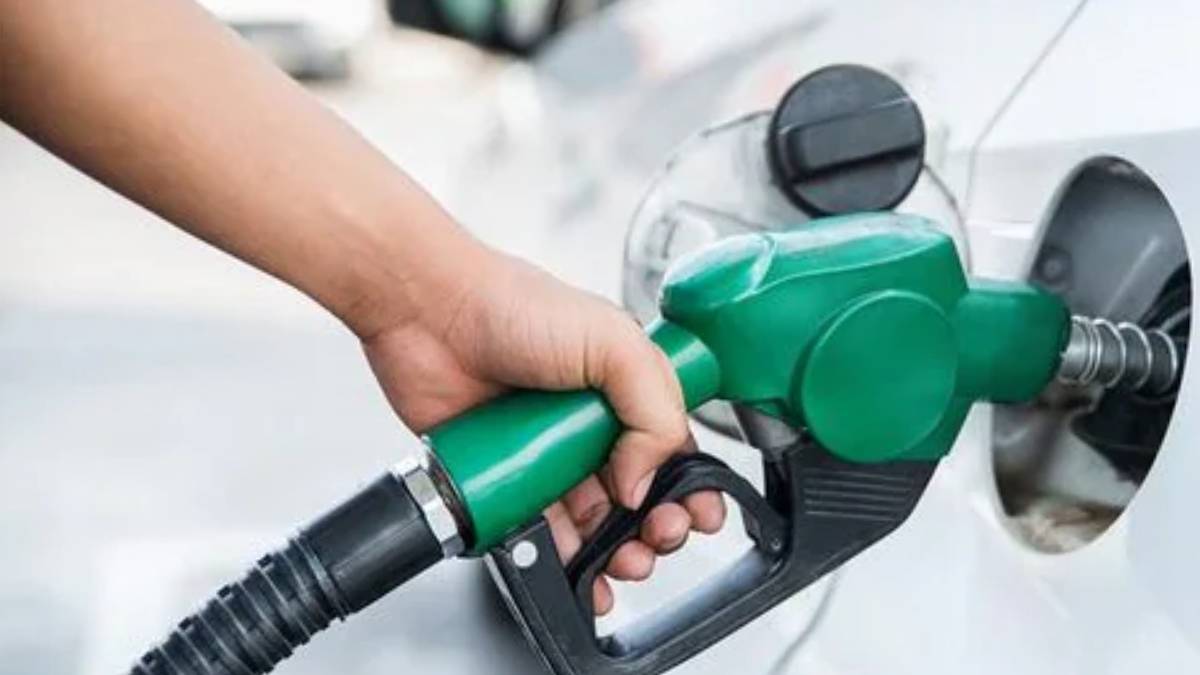
While E25 is still under evaluation, the government said that E20 petrol (20% ethanol and 80% petrol) has already been introduced in phases after extensive testing.
The transition was gradual and started with E15 in April 2023 and E19 in April 2024, followed by E20 in April 2025, officials said.
According to government estimates, more than 20 crore two-wheelers and nearly 20 lakh four-wheelers are already running on ethanol-blended petrol across India.
The programme was only implemented after consultation with automobile manufacturers, fuel companies, technical experts and regulatory bodies, officials said.
Government Rejects Viral Claims
The clarification comes days after the Ministry of Petroleum and Natural Gas issued a detailed response rejecting several viral claims about E20 fuel.
The ministry said claims that E20 causes severe engine damage, voids vehicle warranties, drastically reduces mileage or invalidates insurance are misleading.
It cited extensive testing conducted by the Automotive Research Association of India (ARAI), where passenger vehicles covered nearly 40,000 kilometres and two-wheelers travelled around 20,000 kilometres with E20 fuel without much impact on drivability or overall fuel efficiency.
But some rubber parts in older vehicles may wear more quickly and may need to be replaced earlier, they said.
Automakers Back Ethanol Blending
Several leading automobile manufacturers have also defended the government's ethanol blending programme.
Maruti Suzuki, Toyota Kirloskar Motor, Hyundai, Hero MotoCorp, TVS Motor Company, and Bajaj Auto stated that years of testing and real-world service data have not shown evidence of engine damage caused by E20 fuel, including many vehicles manufactured before E20-compatible models became standard.
Vikram Gulati, Country Head of Toyota Kirloskar Motor, described ethanol as a relatively cleaner fuel that is good for drivability and acceleration.
Meanwhile, Union Road Transport and Highways Minister Nitin Gadkari challenged critics of the programme, saying: "Show me one vehicle that has been damaged because of E20 petrol."
Why India is Promoting Ethanol?
At the same time, the government claims that increasing ethanol blending is a strategic priority to reduce India's dependence on imported crude oil.
India is one of the world’s fastest-growing crude oil consumers, accounting for nearly 30% of global growth in oil demand. By substituting a portion of petrol with domestically produced ethanol (made from sugarcane and grains), the country intends to reduce fuel imports, save foreign exchange and lower carbon emissions.
Officials also claimed that misinformation about ethanol blending could be part of efforts by vested international interests opposed to India's push for greater energy security, but no evidence was publicly presented to support the claim.
What Vehicle Owners Should Know
The government’s advice for consumers remains simple. Vehicles from around April 2023 onwards are generally designed to run on E20 fuel without any issues. Owners of older vehicles should check their owner manual, fuel compatibility label or contact their vehicle manufacturer to ensure E20 compatibility.
As for E25, nothing changes for now. The government has made it clear that the higher ethanol blend is still under testing and any future rollout will come only after scientific evidence and regulatory approval, not speculation.