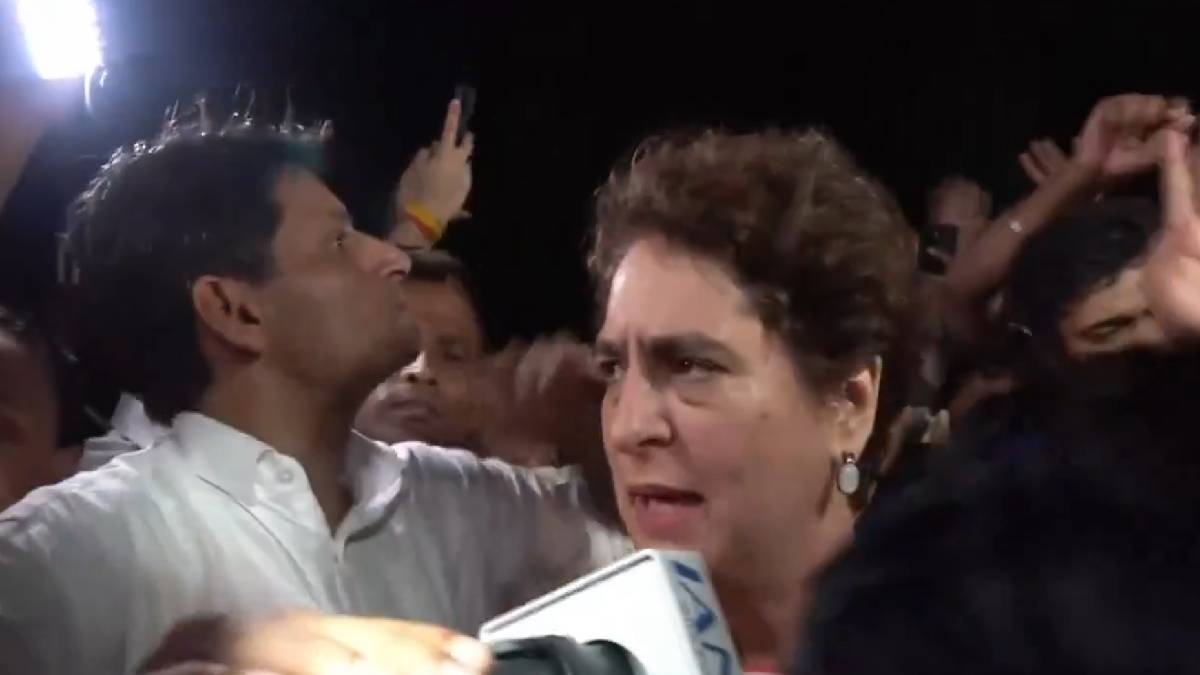
A government function in Thane, Maharashtra, saw an unusual mishap where the Bollywood version of “Vande Mataram,” sung by the legendary playback singer Lata Mangeshkar, was played instead of the one expected at the formal ceremony. The event was held in the presence of Maharashtra Deputy Chief Minister Eknath Shinde and other dignitaries, and the audience remained standing for nearly four minutes as the song was played.

A video of the incident has since received a lot of attention online, and people have had interesting thoughts on the unusual sequence of events and the confusion around the choice of track. The programme had a lot of senior political leaders and officials on hand, so no doubt, the mix-up was very noticeable.
The incident happened during the end of the Balasaheb Thackeray Marathi Language Curriculum Campaign in Thane. The campaign was to promote Marathi language learning among non-Marathi speakers. The programme was organised by the Maharashtra government’s Transport Department, State Marathi Development Institute, Mumbai Marathi Sahitya Sangh, and the Konkan Marathi Sahitya Parishad.
Lata Mangeshkar’s rendition played during formal proceedings
As the formal proceedings started, participants were asked to stand for “Vande Mataram.” Deputy Chief Minister Eknath Shinde, Industries Minister Uday Samant, MLA Pratap Sarnaik, and other dignitaries on stage, as well as the audience, stood together.
However, the music that began playing was not the version apparently intended for the ceremony. Instead, an older Bollywood version of “Vande Mataram,” sung by Lata Mangeshkar, was heard at the venue.
The version is connected to the 2000 Hindi movie, *Pukar*, starring Anil Kapoor and Madhuri Dixit. Lata Mangeshkar’s distinctive voice instantly made the recording obvious, and the use of it during the ceremony seemed to have been the result of an inadvertent mix-up.
Despite this, those in the group were still standing as the song played. The unusual moment was said to last about four minutes before the group went on.
Thane, Maharashtra: A Bollywood version of ‘Vande Mataram’ song was played instead of ‘Vande Mataram’ during a Transport Department programme attended by Deputy Chief Minister Eknath Shinde. Ministers Uday Samant and Pratap Sarnaik were also present. The incident took place… pic.twitter.com/4kxTXVTgre
— IANS (@ians_india) August 17, 2026
Eknath Shinde acknowledges the lapse
The mix-up was acknowledged by Eknath Shinde, who apologised for the lapse. The ceremony was not disrupted, and the proceedings continued.
The national anthem and Maharashtra’s state song were also played after the incident. The sequence drew attention because of the presence of senior political figures and the formal nature of the event.
The video has also prompted discussion about the importance of checking audio tracks and ceremonial arrangements in advance for government functions where specific songs and protocols are expected to be followed.
Significance of Vande Mataram
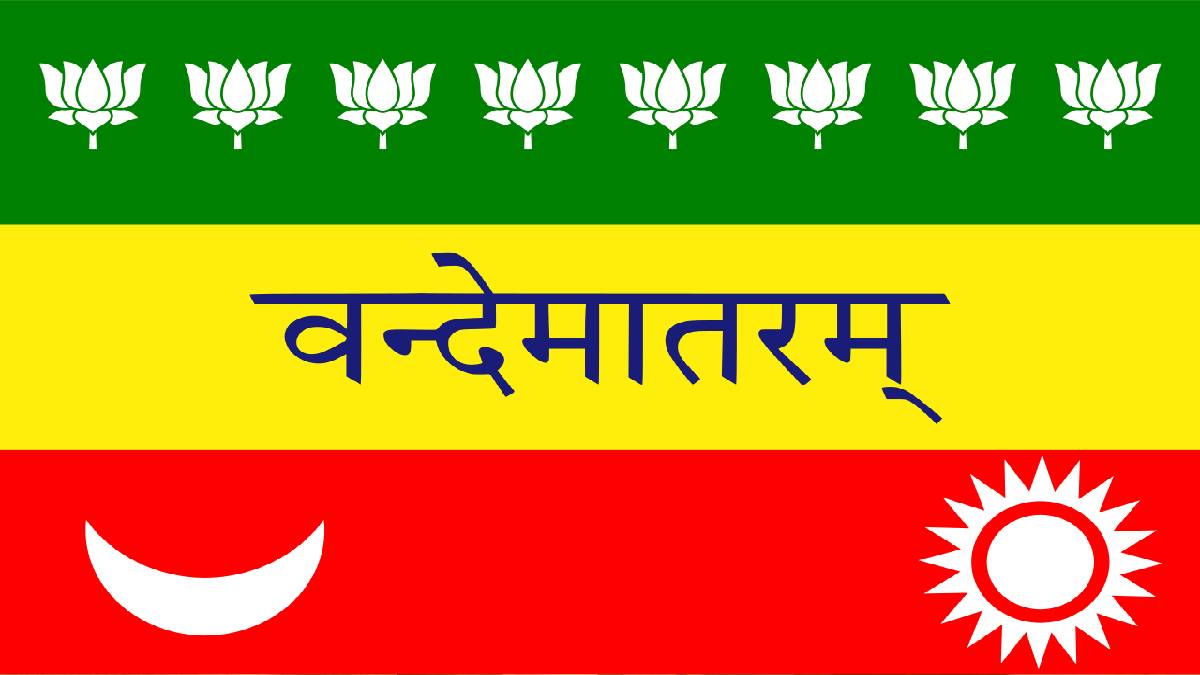
“Vande Mataram” has a special place in India’s history and was written by Bankim Chandra Chattopadhyay. It was originally published in his novel *Anandamath* and is closely associated with India’s freedom movement.
Written in Sanskrit and Bengali, the composition emerged as a significant expression of patriotism during the struggle against British rule. While “Jana Gana Mana” is India’s national anthem, “Vande Mataram” is recognised as the national song of the country.
Over the years, “Vande Mataram” has been performed and recorded in various musical arrangements. Lata Mangeshkar’s version is one of the most popular versions and has been featured in Indian cinema and music recordings.
Thus, the Thane incident involved a song that itself was of great historical and emotional significance, but the unexpected use of a film version in a formal government programme made it an unusual moment that quickly captured public attention.
For the Maharashtra government, the episode was only a short but memorable interruption in a programme focused on promoting Marathi language education. Once the national anthem and state song had been played, the ceremony went on as planned despite the initial audio mishap.