
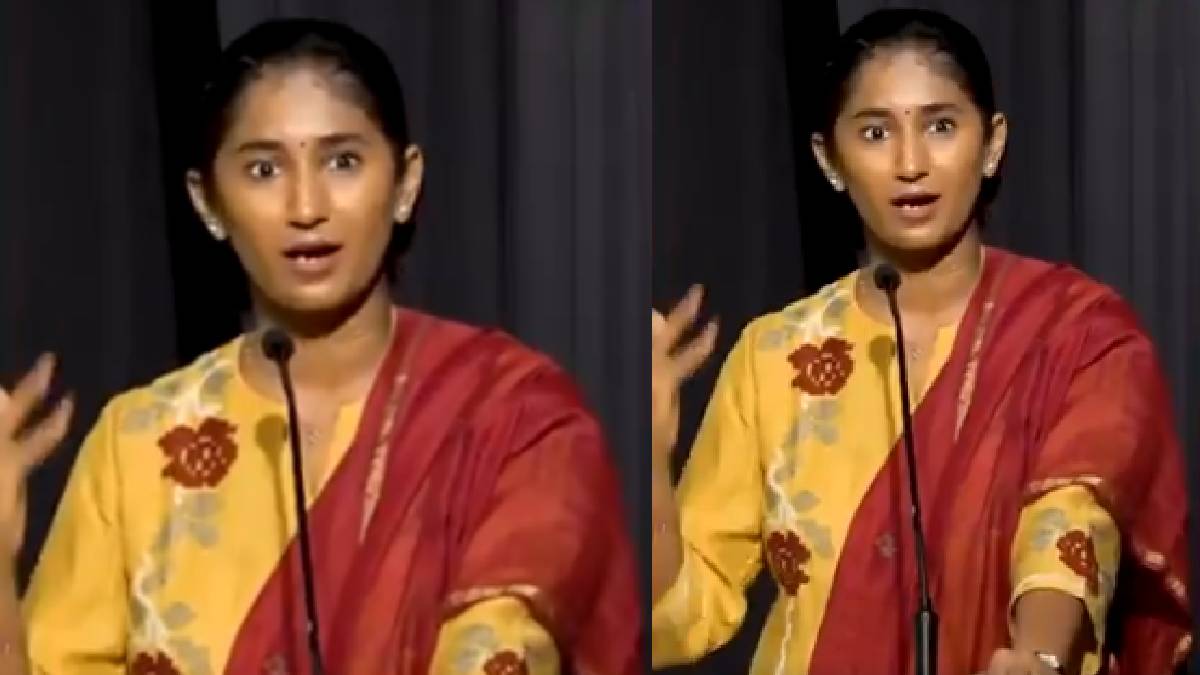
A social media debate surrounding a popular digital influencer and stand-up comedian has reignited conversations about Kannada identity, regional language politics, and the expectations placed on public figures in Karnataka. What began as criticism of an influencer's language choices has evolved into a broader discussion about cultural representation, linguistic pride, and the responsibilities of creators with regional roots.
The Core of the Online Criticism
The controversy intensified after a post on X questioned the influencer's relationship with Kannada. The post reportedly pointed to the influencer's Kannada-speaking family background while arguing that Kannada was not used frequently enough in her public appearances and comedy performances.
What a shameless person, her mother and father are Kannada speakers, but this girl has never spoken a single Kannada word. There should be a limit to lying, saying that she is arrogant. ಇವಾಗ ಮಾತ್ರ ದುಡ್ಡ್ ಮಾಡೋಕೆ ಕನ್ನಡ ಬೇಕು ತು ದರಿದ್ರಗಳು.!🤡 https://t.co/8iK7l26lj3
— ₘₒₜᵢᵥₐₜₑd!ₗᵢₗ!Dₑₘₒₙ (@AryakavyaA) October 23, 2026
The criticism centred on the suggestion that regional languages receive attention from public figures only when they offer professional or commercial benefits. A pointed remark about Kannada becoming necessary to make money captured this sentiment, raising questions about authenticity and cultural representation in the digital entertainment industry.
Online reactions have been divided. Some users have defended the influencer, arguing that her work does include Kannada and that language choices should not be the sole measure of cultural identity. Others have revisited her earlier comedy material and public commentary on contentious linguistic issues, including concerns about Hindi's growing influence and the relationship between Kannada and Sanskrit.
For some critics, these older performances have become part of a larger discussion about how regional language issues are portrayed in mainstream entertainment. What one audience considers satire or comedy may strike another as dismissive of deeply felt cultural concerns.
Why Kannada Identity Matters to the Debate
To understand the intensity of the discussion, it is important to recognise that Kannada is more than a medium of everyday communication in Karnataka. It is closely connected to the state's literary traditions, historical memory, cultural identity, and collective pride.
Kannada language advocates have long raised concerns about the marginalisation of regional languages, particularly in rapidly expanding urban centres such as Bengaluru. Debates surrounding language use in education, public services, workplaces, and popular culture reflect wider anxieties about whether Kannada will retain its place amid changing demographics and increasing linguistic diversity.
Consequently, prominent creators with connections to Karnataka can find themselves held to expectations that extend beyond their professional work. For some audiences, their visibility offers an opportunity to introduce Kannada culture to a wider national and international audience.
When a well-known creator appears to give limited space to the regional language, some viewers may interpret it as a missed opportunity to represent their cultural heritage. Others argue that an individual's linguistic identity cannot be measured solely through the language used in performances or online content.
This tension lies at the heart of the controversy: the distinction between the public's expectations of cultural representation and a creator's freedom to choose how to express their identity.
The Balancing Act Facing Digital Creators
The debate also highlights a broader challenge facing digital influencers, comedians, and entertainers operating in a multilingual country. Creators often produce content for audiences across linguistic and geographical boundaries, balancing accessibility, professional opportunities, and their connections to their communities of origin.
For regional audiences, however, representation is not always a question of visibility alone. The language used, the cultural references included, and the sensitivity with which local issues are approached can influence whether audiences feel represented or overlooked.
At the same time, cultural authenticity is difficult to reduce to a single rule. Speaking a regional language does not automatically establish cultural solidarity, just as creating content in English or another widely spoken language does not necessarily imply a rejection of one's roots.
The controversy surrounding the influencer therefore raises a question that extends well beyond one public figure: how should creators balance the demands of a broad audience with the expectations of the communities they represent?
Ultimately, the discussion reflects the continuing importance of Kannada in Karnataka's public life. As digital platforms bring regional creators to increasingly diverse audiences, questions of language, belonging, and representation are likely to remain central to conversations about culture and entertainment.

Comments
Leave a Comment