
Rainfall in the Western Ghats is changing, and new opportunities for agriculture and horticulture are emerging in Karnataka’s interior regions even as rainfall declines in coastal districts and western slopes of the mountain range, says a study presented by an agricultural scientist.
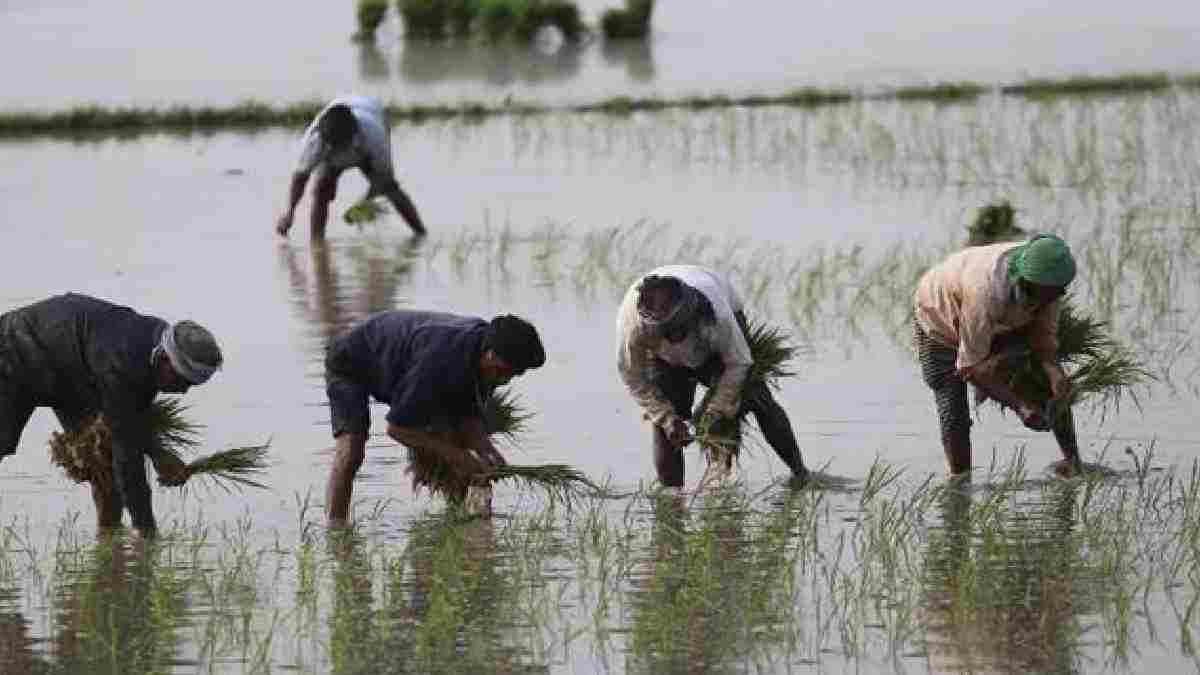
The study by Dr M.B. Rajegowda, an agricultural meteorologist, looks at long-term changes in Karnataka’s climate, rainfall distribution and how these affect agricultural production. Rainfall trends have changed across different geographical regions of the state, so farmers may need to change the way they plan crops and manage water resources.
The study said Karnataka’s average temperature rose by as much as 1.5 degrees Celsius between 1900 and 2020; the state’s annual rainfall increased from 1,140 mm during 1901–1950 to 1,208 mm between 1950 and 2008.
However, the increase in overall rainfall does not mean every region has received more rain. The study says that there are differences between coastal Karnataka, the Western Ghats, and the northern and southern interior of the state.
Coastal Karnataka and Western Ghats Record Lower Rainfall
Annual rainfall in coastal Karnataka fell from about 4,500 mm to 4,000 mm; in the Western Ghats it fell from 4,010 mm to 3,680 mm.
In contrast, the interior districts showed an increase in rainfall.
North Interior Karnataka’s annual rainfall increased from 640 mm to 740 mm. South Interior Karnataka also saw an increase (from 685 mm to 836 mm).
These changes mean that monsoon rainfall distribution across Karnataka is changing. Interior regions may get more rainfall, but coastal and Western Ghats areas might have additional challenges in managing water resources and agricultural activities.
How the Western Ghats Influence Rainfall Distribution
The orographic effect (geographical features affecting rainfall) is one of the factors mentioned as being responsible for changing distribution.
Monsoon clouds over the Indian Ocean enter the western coast through the Arabian Sea. About 75% of these clouds release rain over coastal Karnataka and the Western Ghats, while the remaining 25% cross the mountain range and move towards interior regions of the state.
Changes in land and atmospheric temperatures can affect cloud density and movement. The study says that changes in these two factors may be responsible for clouds moving eastwards on the eastern side of the Western Ghats, bringing rainfall to interior Karnataka.
Urbanisation and Development Activities Also Affect the Western Ghats
The study also shows how the Western Ghats ecosystem is under pressure from several human activities.
Industrialisation, urbanisation, expansion of agricultural activities, road construction, small hydropower projects and tourism have all affected forest density in the mountain region.
The study also refers to earlier Gadgil and Kasturirangan committees set up by the Centre to look into biodiversity, ecological conditions and development activities in Western Ghats.
But it says that “climate change and its specific impact on Karnataka’s agriculture were not the focus of those committees”.
Agricultural Land and Production Have Expanded
Along with changes in rainfall patterns, Karnataka has also seen an expansion of agricultural land and production over the past decades.
The study says that the state’s agricultural area increased from 50–60 lakh hectares in the 1950s to about 100–105 lakh hectares by 2020.
Agricultural production also expanded significantly from 4–5 crore tonnes to about 13–13.5 crore tonnes.
Horticulture has also grown significantly. The area under horticultural crops increased to 22–24 lakh hectares and production was 18–18.5 crore tonnes, the study said.
These figures show how agriculture and horticulture are becoming more important to Karnataka’s economy and how farming practices have to adapt to changing climatic conditions.
Karnataka's Rainfall May Increase Further by 2035
The study says that average annual rainfall in Karnataka could reach 1,235 mm between 2020 and 2035.
It also expects further differences in rainfall trends across regions. Coastal Karnataka and Western Ghats may see further declines, while interior regions may get more rain.
Such changes could lead to opportunities for farmers in interior districts if the extra rainfall is managed well. Better water storage, irrigation systems, crop selection and long-term agricultural planning could help farmers make use of changing rainfall patterns.
The study underlines the need for a long-term strategy to take advantage of changing rainfall availability (especially in interior Karnataka) for strengthening agricultural and horticultural production.
Taken together, these findings show an important climate challenge for Karnataka: the state may get more rainfall on average but uneven distribution of that rainfall means different parts of the state will need different agricultural and water management strategies.





Comments