
The Nandini milk price revision in Karnataka is already impacting consumers beyond their daily household milk expenses. Coffee and tea prices have reportedly gone up by ₹5 in several parts of the state after the milk price revision.

Small roadside tea stalls to coffee shops, bakeries, hotels and restaurants all over food and beverage sector milk cost rise is being felt. Millions who start their day with a cup of tea or coffee could see a difference of ₹5 if they are regular customers.
For those millions who spend everyday on these items even a ₹5 increase will make a difference. The price revision has also started discussions about rising cost of essential food and beverages in Karnataka.

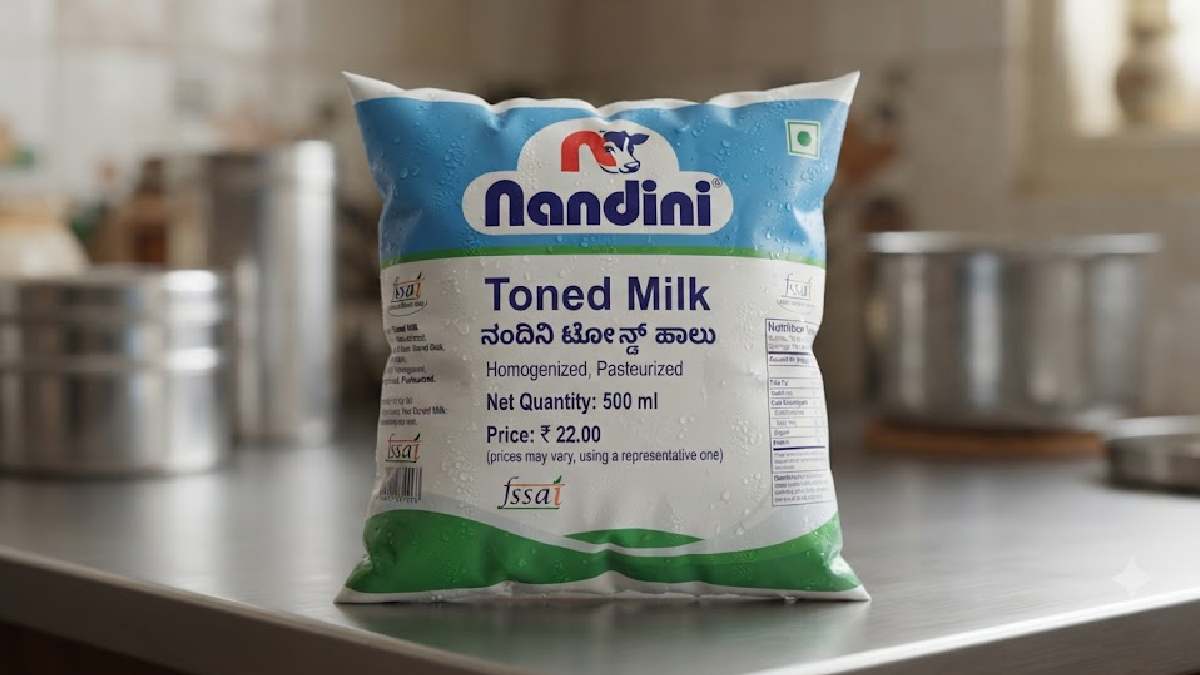
Nandini (dairy brand of Karnataka Milk Federation (KMF)) is one of the most widely consumed milk brands in the state. Milk is used as an ingredient for making tea, coffee, sweets, bakery products and many other food items so any increase in milk prices directly impacts businesses which depend on dairy products heavily.
Tea and coffee sellers especially small vendors with low profit margins cannot afford to pay additional operating expenses so they have reportedly started revising their beverage prices keeping in mind the increased cost of ingredients.
The ₹5 hike in prices of coffee and tea could impact customers who buy beverages from hotels, restaurants, office canteens and roadside stalls everyday if someone buys one cup of tea or coffee every day then an additional ₹5 a day would be around ₹150 extra spending over 30 days. If they consume two cups daily they would end up paying about ₹300 more every month.


While this may seem small for an individual purchase it adds up for families, students, office employees and hotel customers.
Small tea shops and coffee stalls are among those businesses that are immediately hit by rising milk prices. Unlike large restaurant chains small vendors have very little financial flexibility they have to buy milk, coffee powder, tea powder, sugar, cooking gas, electricity, rent and employee salaries every day.
When the cost of an essential ingredient (milk) goes up then selling price at which they can still make a profit decreases even further (if any). Increasing beverage prices by ₹5 is therefore seen by some vendors as an easy way to manage additional expenses without compromising on quality or quantity.
Hotels, bakeries and restaurants may also have similar problems because milk is used in many popular drinks and foods. Apart from regular tea and filter coffee dairy products are needed to make milkshakes flavoured milk sweets desserts bakery items etc.
If milk procurement costs rise further businesses might also look at revising prices of other products as well but how much will depend on individual establishments operating costs local market conditions etc.
For consumers it comes at a time when household budgets are already under pressure because of rising cost of various everyday essentials. Tea and coffee for many households in Karnataka are not luxuries they are part of daily routines and social interactions.
Morning conversations at neighbourhood tea stalls, evening coffee breaks with colleagues these beverages have an important place in everyday life. An additional ₹5 per cup may force some customers to cut down on daily consumption or prepare beverages at home or look for cheaper alternatives.
The price rise could also affect hospitality establishments that serve lots of customers every day. A small increase in the cost of preparing each cup adds up when hundreds of orders are involved.
Businesses have to strike a balance between what customers want and rising procurement and operational costs. Some will absorb part of the additional cost while others pass it on to customers.
The Nandini milk price revision and reports of tea and coffee price hike are examples of how changes in the dairy sector impact consumer market as well. Milk is linked to hospitality, food processing, confectionery and retail etc.,
So when milk prices change it ripples through several businesses and household expenses. The ₹5 increase may help vendors cope with higher input costs but consumers will have to pay more for their everyday beverages too.
All in all, the reported rise of ₹5 in tea and coffee prices across Karnataka has focused attention back on how rising dairy costs affect ordinary consumers — what starts as milk price change affects everything from roadside tea stalls to restaurants.
Customers and businesses adjust to new prices but the question is whether other milk based products and food items will also go up in price in days to come?






Comments